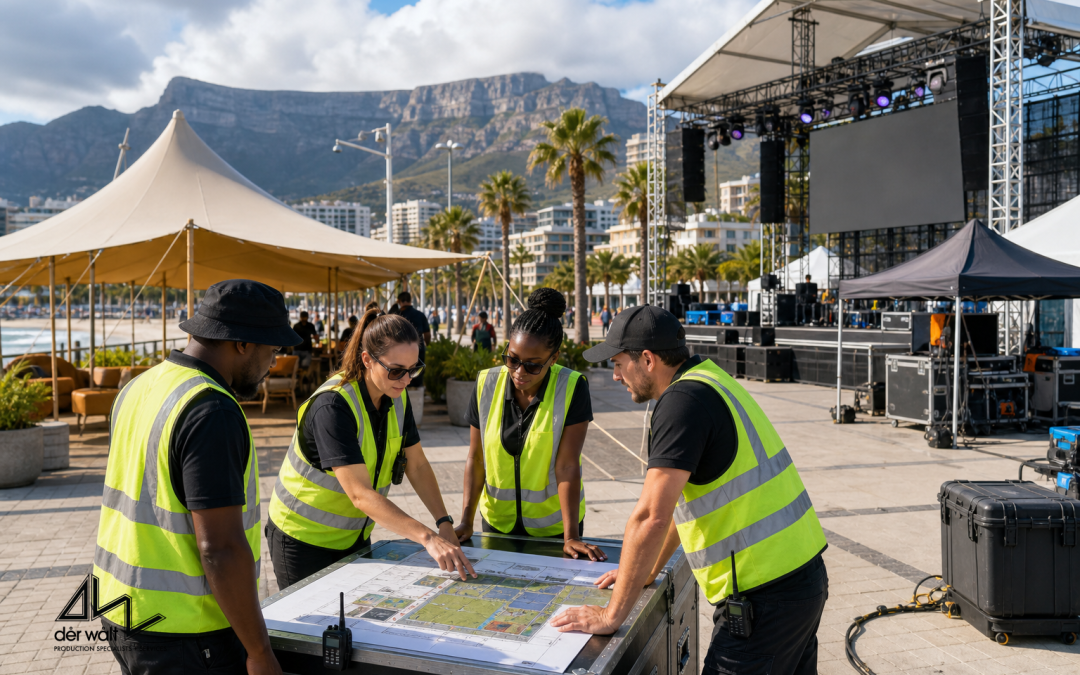
Weather-Smart Outdoor Activations: A Practical SA Event Planning Guide
In South Africa, outdoor brand activations demand weather-aware risk planning, local sourcing, and compliant production timelines. This guide outlines practical steps to keep events safe, on schedule, and within budget—from site selection to contingency logistics.
Weather-smart planning matters for South Africa
Outdoor activations in South Africa must contend with a broad climate spectrum. From coastal humidity and afternoon thunderstorms to inland heat and gusty winds, regional conditions can shift quickly. Planning with weather as a core variable improves safety, protects budgets, and preserves brand experience. The goal is not to eliminate weather risk but to manage it with a clear plan, reliable suppliers, and flexible logistics.
Seasonal realities and regional variance
Cape Town and the Western Cape often experience strong winds and occasional heavy rains, especially as seasons shift. Gauteng tends toward dry heat with dramatic afternoon temperature changes, while KwaZulu-Natal can be humid and prone to sudden, tropical-style showers. Coastal venues may require contingency shade, misting systems, and robust drainage. A regional risk profile helps you tailor site selection, tenting, and power needs to the city or town where your activation occurs.
These realities imply a practical rule: never assume standard outdoor conditions will hold throughout an event window. Build in protective layers—weatherproof manifestos, shelter options, and quick-change schedules—so your production can adapt without derailing the experience or compromising safety.
Key weather considerations for SA venues
Consider the following when selecting a site or finalising a layout:
- Access to reliable power and a defined route for generators if grid supply is uncertain.
- On-site shelter options: weatherproof structures, wind-stable canopies, and covered access to critical zones (entry, backstage, first aid).
- Drainage and surface traction to prevent slips, particularly around stages, grip areas and catering zones.
- Sun and shade planning to protect staff and participants; consider UV exposure and heat management.
- Access for transport, delivery windows, and crowd-flow design that minimizes bottlenecks during weather events.
Building a resilient production plan with local realities
Procuring locally and responsibly
Local sourcing reduces transport time, supports the regional economy, and often lowers lead times. Start by drawing up a supplier shortlist that includes BBBEE-compliant businesses and small-to-medium enterprises (SMEs) where appropriate. Request detailed quotes that cover equipment, labour, and contingency options. Verify references, ensure licensing where required, and align procurement with any applicable national or provincial guidelines. If your activation touches public spaces, coordinate with the relevant authorities early to avoid procurement delays and last-minute substitutions.
In South Africa, practical procurement planning also means building in flexibility for currency or commodity volatility (fuel, generators, tents, rigging). Work with suppliers who can provide scalable options and clearly defined delivery windows so shifts in weather or timetable do not cascade into budget overruns.
Choosing venues and site planning
Venue selection should balance branding goals with practical constraints. Outdoor locations offer high impact but demand robust contingency planning: define fallback positions for stages, activation zones, and audience seating if weather turns unfavourable. Early coordination with venue management enables you to lock in access times, load-in and load-out routes, and power provisioning. Consider backup sites or indoor alternatives within a reasonable radius in case of weather disruption. Always confirm safety approvals and code compliance for stages, rigging, and electrical installations.
Safety, risk management and compliance in SA
Risk assessment and emergency planning
Risk management should be embedded in the activation brief. Start with a site-specific hazard identification exercise: identify potential weather-related hazards (lightning, high winds, heavy rain), crowd-flow risks, fire hazards from electrical equipment, and slips or trips in wet conditions. Use a simple risk matrix to categorize likelihood and impact, then map mitigations like sheltering, adjustible stage height, or early shutdown protocols. Communicate the emergency plan to all stakeholders—staff, contractors, and on-site partners—and rehearse evacuation routes with the team ahead of load-in.
Crowd management and worker safety
Public safety hinges on clear signage, trained stewards, and defined crowd-paths. Create a site safety manual aligned with international practice and local requirements. Provide appropriate PPE for crew and contractors, compliant electrical installations, and adequate first-aid resources. If alcohol is part of the activation, ensure responsible service, crowd control measures, and a plan for monitoring consumption and entry points. In all cases, maintain open channels of communication with emergency services and venue safety officers.
Industry standards—such as those discussed by international safety bodies and governing authorities—give your team a shared framework for planning. In practice, these standards translate into checklists, drills, and clear documentation that you can reference during rehearsals and on event day.
Budgeting and timelines in South Africa
Timelines and permit considerations
Clear timelines are essential in South Africa, where permits, environmental approvals, or special-event licenses may be required for certain venues and activities. Build a phased schedule early, with permission deadlines integrated into the plan. Set lead times for essential services—power, lighting, sound, stage construction, and portable structures—and secure them well in advance to mitigate weather-related delays. Include buffer periods for deliveries that may be disrupted by public holidays or peak travel times.
Budgeting practicalities and contingency reserves
Weather-dependent activations often incur additional costs for shelter, drainage, and thermal management. Plan for contingencies in both budget and timeline, recognizing that last-minute changes can cascade into labour shifts and schedule slippage. Work with suppliers who can price flexible options (alternative tent sizes, different power arrangements, modular stages) so you can scale quickly without compromising the core experience. Transparent change-management processes help preserve brand integrity while safeguarding your bottom line.
Practical checklist and sample workflow
A pragmatic planning workflow keeps weather risk manageable and production on track. Here is a concise, week-by-week framework you can adapt to a typical 8–12 week lead time:
- Week 12–Target: Confirm activation objectives, audience flow, and brand touchpoints. Lock in venue and critical dates.
- Week 10–Supply chain kickoff: Issue tenders or RFQs to local suppliers; request weather-contingent options and backup plans.
- Week 8–Risk assessment: Complete site hazard analysis, emergency response plan, and initial safety signage plan.
- Week 6–Logistics: Confirm power, rigging, shelter, and drainage needs; finalize load-in and load-out windows; secure transport routes.
- Week 4–Permits and compliance: Submit required permit applications; align with venue and local authorities on safety protocols.
- Week 3–Program and staff: Finalize schedule, call times, backstage routes, and steward assignments; run through safety briefing with teams.
- Week 2–Rehearsal and contingency: Conduct a dry run or walkthrough; validate weather contingency actions and emergency procedures.
- Week 1–Final checks: Confirm all suppliers, backups, weather contingency materials, and on-site communications; ensure accessibility and signage are in place.
Sources
- ISO 45001: Occupational health and safety management systems — ISO
- Event safety: a practical guide — UK Health and Safety Executive
- SAACI — South African Association for the Conference Industry
- South African Weather Service — Weather and climate information
- UFI: The Global Association of the Exhibition Industry — Global venues, safety and standards
Ready to elevate your brand experience? Contact DERWALT
DERWALT partners with brands, agencies and venues to plan and deliver experiential activations that are engaging, safe and deliverable on time and within budget. If you’re evaluating outdoor activations, end-to-end production, or a multi-city brand experience in South Africa, talk to us about your concept, schedule and safety requirements. We’ll align logistics, production management and on-site delivery with your goals to create a memorable experience for your audience.
Recent Comments