Weather-Ready Outdoor Events in South Africa: Contingency Planning for Success
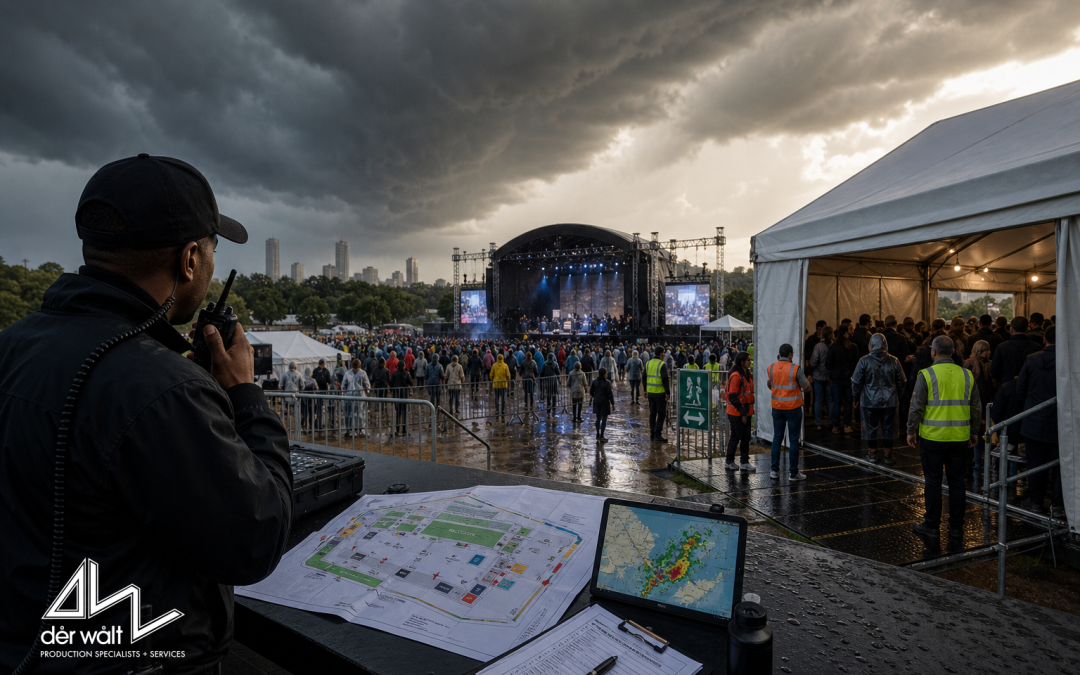
Outdoor events in South Africa face sudden weather shifts that threaten schedules and safety. A proactive weather contingency plan—grounded in monitoring, shelter, and clear trigger points—reduces disruption and protects the attendee experience.
Direct answer: For outdoor SA events, implement a clear weather contingency plan with defined triggers, sheltered spaces, evacuation routes, and a reserved contingency budget to cover weather disruptions.
Why weather planning matters in South Africa
South Africa’s climate is diverse. Coastal regions can see sudden downpours, while inland venues may face heat, wind, or thunderstorms during the summer season. In many areas, the risk peaks during the late spring to early summer months when a combination of heat, humidity and atmospheric instability can trigger fast-moving weather events. For event organizers, this means that a robust weather plan isn’t optional—it’s part of the safety and guest-experience strategy. Relying on luck or last-minute decisions can lead to unsafe conditions, damaged equipment and reputational impact. The best practice is to anticipate, monitor and act with clearly defined thresholds. These practices align with recognized safety frameworks such as the UK HSE Purple Guide and ISO 20121 for sustainable events management, which emphasise proactive risk management, clear communication, and resilient logistics.
Practical steps to implement a weather contingency plan
Below is a practical, field-tested approach you can adapt to your SA context. Each step includes actionable tasks you can assign to your production team, with roles defined and checklists to reference during site visits and build weeks.
- Establish a weather policy for your event. Define what constitutes acceptable weather and what triggers a pause, delay, or evacuation. Include different thresholds for wind, rain, lightning, visibility, and heat, and document who has authority to implement each action.
- Integrate reliable weather monitoring. Use a blend of national data (SAWS updates) and venue- or site-specific readings (anemometers, rain gauges) plus live radar when available. Set up a daily weather brief for the core team and a standby alert process for key stakeholders.
- Pre-design the site with weather in mind. Use sturdy, wind-rated temporary structures, ballast-based tent seating, and fully cleared drainage paths. Plan for shade, hydration zones, and sheltered egress. Ensure rigging and power installations have appropriate loads and fall-protection considerations.
- Define clear shelter and evacuation routes. Map multiple shelter zones capable of handling the full audience load. Train marshals on crowd management and the safe, orderly relocation of people to shelters in accordance with the site plan.
- Draft a communications plan that works in all weather modes. Use a two-channel approach: public PA announcements and a direct attendee alert system (SMS or app-based). Prepare pre-approved messaging to avoid confusion during disruption.
- Budget for weather volatility. Build a contingency line item that covers additional staffing, sheltering, equipment protection, and potential overtime. In SA, weather-related costs can escalate quickly if plans are not provisioned in advance.
- Coordinate with suppliers and crew beforehand. Ensure that load-in/load-out windows, anchor systems, and electrical provisions consider potential delays or closures. Have written options with preferred alternative suppliers if the primary plan becomes untenable.
- Conduct rehearsals and a weather drill. Run a tabletop exercise or full rehearsal with your command-and-control team to validate triggers, shut-down procedures, and communications. Include a contingency for extreme weather that may require early closure of stages or arenas.
Key considerations for SA venues and operations
- Permits and compliance: Ensure your plan aligns with the Occupational Health and Safety Act and any venue-specific requirements. Appoint a dedicated Safety Officer or equivalent to oversee weather-related actions.
- Lightning safety: If you observe lightning within 8–10 kilometers, pause outdoor activities and move people to sheltered spaces. Do not resume until the hazard is clearly absent and a re-entry plan is in place.
- Heat and hydration: In hot climates, monitor heat stress risk and provide cooling zones and water stations. Schedule high-intensity performances for cooler parts of the day if possible, and adjust the program as needed.
- Storm drainage and ground conditions: Sudden downpours can turn fields and asphalt into slippery, muddy surfaces. Ensure all areas have adequate drainage and non-slip surfaces where attendees will walk or queue.
- Insurance and risk transfer: Review event cancellation and force majeure policies with your insurer and ensure coverage reflects potential weather-related disruptions.
Practical templates you can reuse
Leverage simple, reusable templates to speed up decision-making when weather shifts threaten deadlines. Examples include:
- Weather trigger matrix: a one-page chart listing thresholds for wind, rain, lightning, and visibility with corresponding actions and sign-off authority.
- Shelter layout schematic: a scalable plan showing shelter zones, crowd flow, first-aid locations, and emergency exits that align with capacity requirements.
- Communication script: ready-to-use notifications for staff and attendees, including contingencies for delays and program changes.
Common mistakes and how to avoid them
- Underestimating the value of early planning: delay-proof your plan by starting weather contingencies in the budgeting and design phase, not at the last moment.
- Failing to define authority: ambiguous decision-making can lead to delays or unsafe conditions. Assign a clearly defined Weather Controller or Safety Officer with decision rights.
- Ignoring access and egress constraints: shelters must accommodate the full audience; ensure queue management and door flow are planned for peak load scenarios.
- Overlooking maintenance for weather-protected infrastructure: tents, stages, and electrical gear require protection and regular inspection before and during the event.
FAQ
What triggers a weather pause or evacuation?
A weather trigger is a predefined threshold (e.g., lightning within a set distance, wind speeds, or heavy rain) that requires an action defined in your plan, such as pausing activities or evacuating to shelters.
How far in advance should you monitor the forecast?
Start daily monitoring during the pre-event phase and maintain continuous updates up to and including the event day, adjusting the plan as needed.
What should be included in a shelter plan?
Shelter plans should include capacity calculations, accessible routes, weatherproofing, power considerations, and clear signage for attendees and staff.
How can you test weather plans without risking the event?
Run tabletop exercises or drills with your core team, using simulated weather scenarios to validate decisions and communications.
What SA-specific regulations apply to weather planning?
Plans should align with the Occupational Health and Safety Act and venue requirements, and should reference recognized safety guides such as the UK Purple Guide and ISO 20121 as international benchmarks.
Sources
- South African Weather Service — Weather planning for events — South African Weather Service
- The Purple Guide — Health, Safety and Welfare at Music and Other Large Events — UK Health and Safety Executive
- ISO 20121: Sustainable Events Management — International Organization for Standardization
- Department of Employment and Labour — Occupational Health and Safety Act
Contact DERWALT for expert experiential marketing and event production
Ready to plan a resilient outdoor activation? DERWALT specialises in experiential marketing, brand activations and end-to-end event production in South Africa. Get in touch to tailor a weather-resilient plan that protects your timeline, budget and audience experience.
Recent Comments