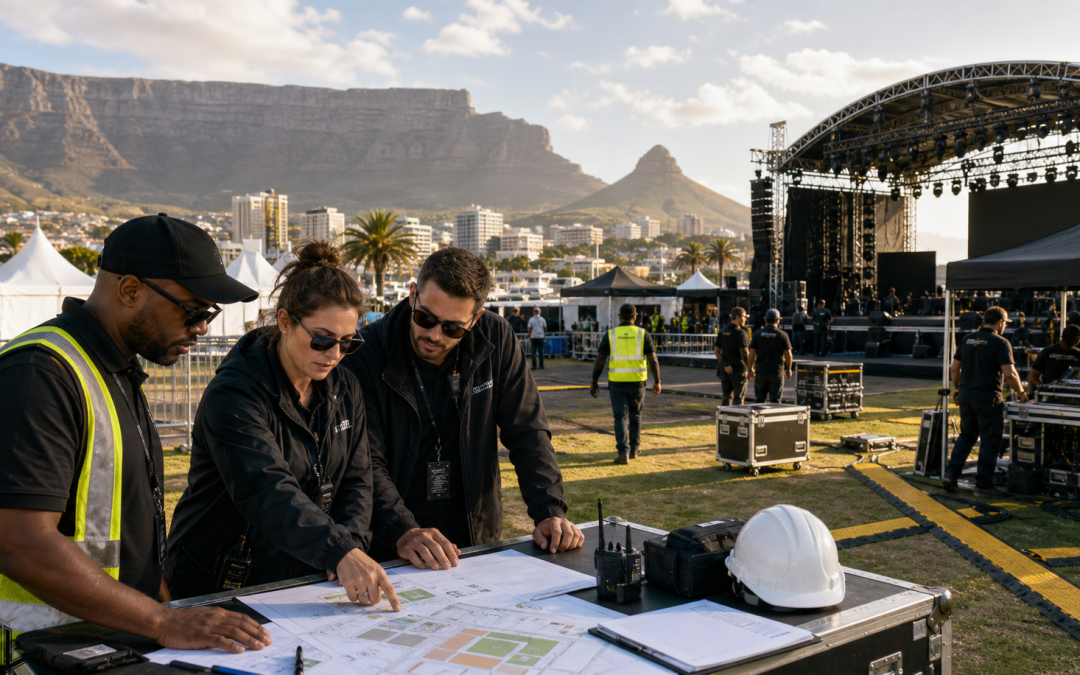
Weather-Ready Outdoor Events in South Africa: A Practical Guide
Plan safer, smoother outdoor events in SA by anticipating weather, safety, permits, transport, and power needs. This guide provides practical, supplier-aware strategies tailored to brands, agencies, venues, and production teams operating in South Africa.
Understanding the South African context: risk and logistics for outdoor events
Outdoor activations in South Africa present a dynamic mix of opportunities and challenges. The climate varies from coastal humidity to inland heat, with sudden thunderstorms in parts of the country. Infrastructure and transport networks differ by city, from Cape Town’s road closures to Gauteng’s peak-hour congestion. At the same time, procurement cycles, labour practices, and safety expectations are tightly regulated, requiring careful coordination with local suppliers, venues, and authorities. A robust risk framework helps teams respond quickly to changes on the day while protecting attendees, staff, and talent.
For brands, agencies, and venues, the goal is to move from reactive planning to proactive risk management. That means documenting a risk register, assigning clear responsibilities, and building a production schedule that integrates safety, weather, and logistics into every milestone. DERWALT’s capabilities in experiential marketing, brand activations, and end-to-end event delivery can be aligned with these practices to help keep complex outdoor activations on track, even when conditions shift.
Weather risk management for SA events
Weather is often the most volatile factor for outdoor events. In practical terms, you should establish a weather monitoring plan that leverages both local expertise and reliable alerts. South Africa’s national weather service and private forecast channels can feed a daily risk picture. Designate a weather lead who has the authority to trigger pre-planned responses, such as delaying start times, moving activities under cover, or evacuating to a safe area. Build a weather contingency into the run-of-show rather than treating it as an afterthought.
Key actions to implement before sealing the schedule: secure a weather briefing at kickoff, identify safe shelter locations, and pre-designate egress routes. For outdoor stages, have a shelter plan for audiences and a lightning safety protocol if skies darken or lightning risk is present. Communicate these plans to staff, contractors, and partners in clear, language-appropriate briefings. Realistic weather contingencies reduce the risk of last-minute changes that disrupt budgets and timelines.
Permits, safety, and compliance
Permitting and safety requirements differ by municipality. In South Africa, events often require approvals related to venue use, road closures, noise, and crowd management. Building a simple compliance checklist early helps avoid delays and last-minute surprises. Engage with the local authority and the venue early to understand occupancy limits, safety signage, emergency access, and evacuation procedures. A formal safety plan should cover staff training, crowd management, first aid provisions, and incident reporting. While EventSA and other industry bodies offer guidance, you should verify requirements with the applicable municipality for the event’s location and scope.
Practical note: ensure that all contractors and suppliers understand your safety expectations and who is responsible for each element of the plan. Documented responsibilities reduce ambiguity during peak production moments and support a quicker, safer response if something goes wrong.
Power, energy, and electrical safety
Power reliability varies across South Africa, making an on-site power plan essential. A typical approach includes a power-and-backup strategy, staging for generators, and careful electrical distribution planning. Choose generators with appropriate capacity for the load and plan for surplus to handle unanticipated equipment. Use weatherproof, insulated distribution boards and ensure cables are properly taped and elevated to prevent trip hazards. Ground-fault protection, proper earthing, and safety-certified extension leads are non-negotiable for safety. For larger or high-profile events, consider consulting an electrical engineer or experienced production partner to design the feed, distribution, and monitoring plan.
Reference best practices from established standards bodies where possible. While local governance applies, international guidelines—such as those published by NFPA for electrical safety and backup power—offer a solid framework for risk-aware planning and can be adapted to a South African context with local site assessments and supplier alignment.
Transport, access, and security
Public transport networks, traffic conditions, and on-site access influence attendee experience and safety. Create a transport plan that considers ride-sharing pickups, shuttles, parking capacity, and accessible routes for spectators with mobility needs. Establish clear crowd flow patterns and queue management measures to reduce bottlenecks at entry and exit points. Security planning should align with the event’s risk profile, including perimeter control, access checks, and liaison with local police or private security teams. On-site communications—two-way radios or designated channels—help staff respond swiftly to any incidents or weather-related changes.
Supplier management and local procurement
South Africa’s event supply chain benefits from strong local networks, but it also requires diligence. Vet suppliers for compliance with safety, labour standards, and quality expectations. Confirm delivery windows align with production milestones and site access restrictions. Request proof of public liability insurance and, where applicable, work with suppliers who can provide B-BBEE-compliant documentation. Clear contract scopes help avoid scope creep during production, especially when weather or permit changes require rapid adaptation on site. Where possible, prioritise local lighting, staging, sound, and power specialists who understand the SA context and can respond quickly to last-minute shifts in schedule or venue constraints.
Practical playbook: a concise 6-week to go plan
Use this lightweight framework to keep outdoor activations on track without over-investing in a single plan. Adapt responsibilities to your team’s structure and local regulations.
- 8–12 weeks out: establish the risk register, conduct a site survey, and begin permit conversations with the venue and municipality. Lock in critical suppliers and confirm lead times for power, staging, and safety services. Create a weather-monitoring cadence and assign a dedicated weather lead.
- 6–8 weeks out: finalize the site layout with audience flow, access routes, and emergency egress. Develop the safety plan, including first aid stations and staff training, and verify insurance and permits with the authorities. Begin rehearsals and run-throughs with core teams.
- 4 weeks out: secure power and backup power arrangements, test electrical gear, and confirm generator locations and fuel logistics. Confirm transport plans and accessibility, and distribute a draft run-of-show to key stakeholders for sign-off.
- 2 weeks out: finalize signage, venue branding, and spectator messaging. Conduct a safety briefing for staff and contractors; confirm emergency procedures and on-site communications protocols. Start a final countdown for contingencies in case weather shifts.
- 72–48 hours out: confirm all deliveries, on-site equipment checks, and staff rosters. Reconfirm permits, security plans, and medical provisions. Have a clear decision tree for cancellation, postponement, or relocation if extreme weather is forecast.
Sources
- South African Weather Service — Government of South Africa
- EventSA — Event Industry Association
- ISO 45001:2018 — International Organization for Standardization
- NFPA — National Fire Protection Association
- DTIC — Department of Trade, Industry and Competition
Get in touch with DERWALT for experiential marketing and event-production support
From concept to crew, DERWALT offers end-to-end capabilities in experiential marketing, brand activations, event strategy, production management, and on-site delivery. Reach out to discuss your next outdoor activation, venue build, or complex show in South Africa.
Recent Comments