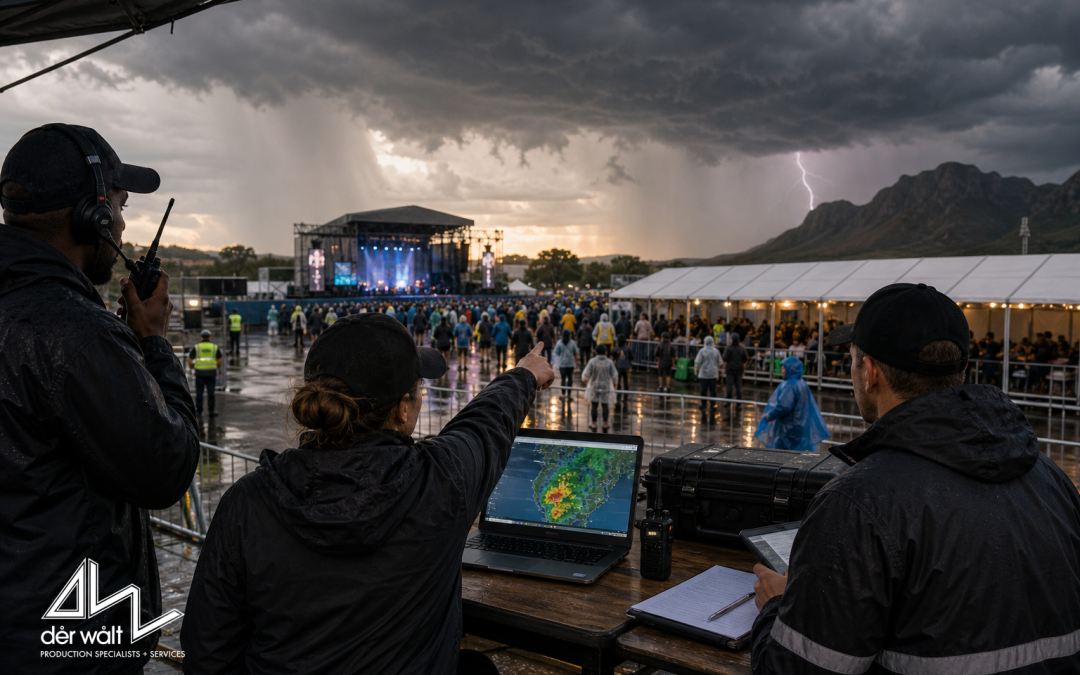
Weather-Proofing South African Outdoor Events: A Practical Planning Guide
Prepare for South Africa’s variable weather with a practical, scalable contingency approach. This guide covers risk assessment, triggers, sheltering, and supplier coordination to keep outdoor activations on schedule.
Direct answer
The key to a weather-ready event plan is a formal, scalable approach that combines a live risk assessment, clearly defined weather triggers for on-site decisions, robust sheltering and stage strategies, and flexible scheduling supported by pre-negotiated supplier SLAs. In short: plan, trigger, shelter, adapt, and communicate.
Why weather contingency matters in South Africa
South Africa’s climate is highly regional and seasonally variable. Coastal regions can experience sudden thunderstorms in late spring and summer, while inland areas may endure heat or gusty winds during peak event months. Cape Town’s microclimates and KwaZulu-Natal’s tropical patterns mean a one-size-fits-all approach often fails. A formal weather contingency plan reduces disruption, protects attendees and crew, and keeps sponsors’ activation timelines intact.
Smart planning also aligns with broader safety expectations and regulatory compliance. Local venues and authorities often require risk assessments that address weather-related hazards. International standards for event management emphasize resilient planning, stakeholder coordination, and clear decision-making processes—elements that translate directly to South African contexts.
Key components of a weather-ready plan
Risk assessment and weather intelligence
Start with a live risk register that tracks weather variables relevant to your site, including wind, lightning, rain, and heat. Use SA Weather Service forecasts and local alerts as your baseline data, and appoint a on-site Weather Lead who monitors updates and communicates changes to the team.
Integrate forecasts with venue constraints, crowd density, and technical requirements. The goal is a single, trusted source of truth for all weather-related decisions.
Weather triggers and decision points
Define measurable weather triggers that prompt specific actions. Examples include lightning within a defined radius, sustained wind speeds that exceed equipment thresholds, or persistent rainfall that affects traction and visibility. Tie triggers to a predefined decision timeline (e.g., 30-minute window checks) and ensure leadership has authority to pause, delay, or relocate activities.
Document these triggers in a concise plan and rehearse them with key stakeholders so responses are swift and consistent.
Shelter, stages and crowd safety
Plan for scalable sheltering options: weatherproof tents, canopies with proven wind-resistance, and indoor fallback spaces if available. Stage structures should comply with safety standards and be designed to withstand local wind and rain patterns, with proper tie-downs and bracing. Crowd movement routes, queue areas, and viewing platforms must remain safe and non-slip under wet conditions.
Power, connectivity and on-site safety gear
Ensure weather-resilient power supply arrangements and water management on the build and show sides. Use weatherproof cables, GFCI protection, and ground-fault-aware layouts. Stock rain-ready lighting, dehumidification if needed, and emergency kits for crews, including rain ponchos, windbreaks, and thermal layers for cold spells.
Communication and on-site leadership
Develop a clear communications plan for attendees, staff, and performers. Use a public-address system, on-site signage, and, where possible, a mobile app push notification or SMS alerts. Establish a leadership chain for weather decisions, including a clocked decision timeline that aligns with the show’s needs and safety requirements.
Vendor contracts, permits and insurance
Negotiate flexible SLAs with suppliers to allow rapid redeployments, rescheduling, or on-the-fly substitutions without crippling delays. Confirm venue permits acknowledge weather contingencies and ensure appropriate insurance coverage for event cancellation, curtailment, or weather-related damages. Clarify responsibilities for weather-related contingencies in all vendor agreements.
Practical steps and a simple playbook
- Assemble a weather planning team early, including the event director, production manager, venue liaison, and a Weather Lead with authority to pause operations.
- Create a weather risk register tailored to your site, season, and regional patterns. Include wind, rain, lightning, heat, and visibility considerations.
- Predefine weather triggers and decision points, and embed them in a one-page plan that sits with security, production, and the client approvals.
- Engage with local suppliers and venues to secure flexible load-in/load-out options, backup spaces, and rapid redeployment capabilities. Put SLAs in place that cover weather-driven changes.
- Develop shelter strategies and stage integrity plans with engineers or certified technicians, and test them in the rehearsal window when possible.
- Establish a robust communication plan for attendees and staff, including a weather alert workflow, channel ownership, and timeline for announcements.
- Run a weather drill or table-top exercise ahead of the event to validate roles, timing, and escalation paths.
- Review insurance coverage and permits to ensure weather-related contingencies are clearly addressed and funded in the event budget.
Common mistakes and how to avoid them
- Skipping a formal risk assessment or relying on outdated forecasts. Always ground decisions in current data and a documented plan.
- Leaving weather decisions to chance or to a single person without authority. Define a decision framework with clear approvals and escalation paths.
- Underestimating the impact of weather on power, acoustics, and sightlines. Build redundancy into critical systems and plan for rapid adaptations.
- Not rehearsing weather contingencies. Practical drills reveal gaps in timelines, roles, and communications that the plan cannot replace in action.
Checklist by phase
- Pre-event: risk register, weather triggers, vendor SLAs, insurance checks, and a written contingency plan shared with all key stakeholders.
- Build/load-in: on-site shelter readiness, stage bracing, and weatherproof power distribution tested in daylight.
- During event: live weather monitoring, decision points executed on time, and clear attendee communications.
- Post-event: debrief on weather performance, updated risk registers, and lessons learned for future activations.
FAQ
What constitutes an effective weather trigger?
A trigger is a predefined, measurable condition (for example, lightning within a specified distance, wind above a designated threshold, or heavy rain) that automatically prompts a designated action, such as pausing activities or moving indoors.
How far in advance should a weather contingency plan be created?
Ideally, during the lead-up planning phase, with updates as the event approaches. For major outdoor activations, lock the core triggers and shelter strategies at least 6–8 weeks before the event and rehearse them at least one week out.
What insurance coverage is recommended for weather-related disruptions?
Consider event cancellation or disruption insurance that covers weather-related interruptions, plus a review of terms with your broker to ensure triggers and remedies align with the contingency plan.
How should we communicate weather delays or changes to attendees?
Use a multi-channel approach: on-site PA, digital displays, social channels, and a push notification or SMS system if available. The messaging should be concise, actionable, and time-stamped to avoid confusion.
What is the role of the venue in weather contingency planning?
The venue participates in risk assessment, ensures structural safety of shelters and stages, and coordinates access to indoor spaces or alternative configurations as part of the approved plan.
Sources
- South African Weather Service — South African Weather Service
- ISO 20121: Event sustainability management systems — International Organization for Standardization
- Event safety — Health and Safety Executive (UK)
- IAVM — International Association of Venue Managers
Final call to action
Ready to weather-proof your next experiential activation? DERWALT helps brands and agencies plan, produce, and manage outdoor and indoor experiences with rigorous safety, scalable contingency planning, and seamless logistics. Contact us to discuss weather-ready event strategy, production management, and on-site execution for your next activation.
Recent Comments