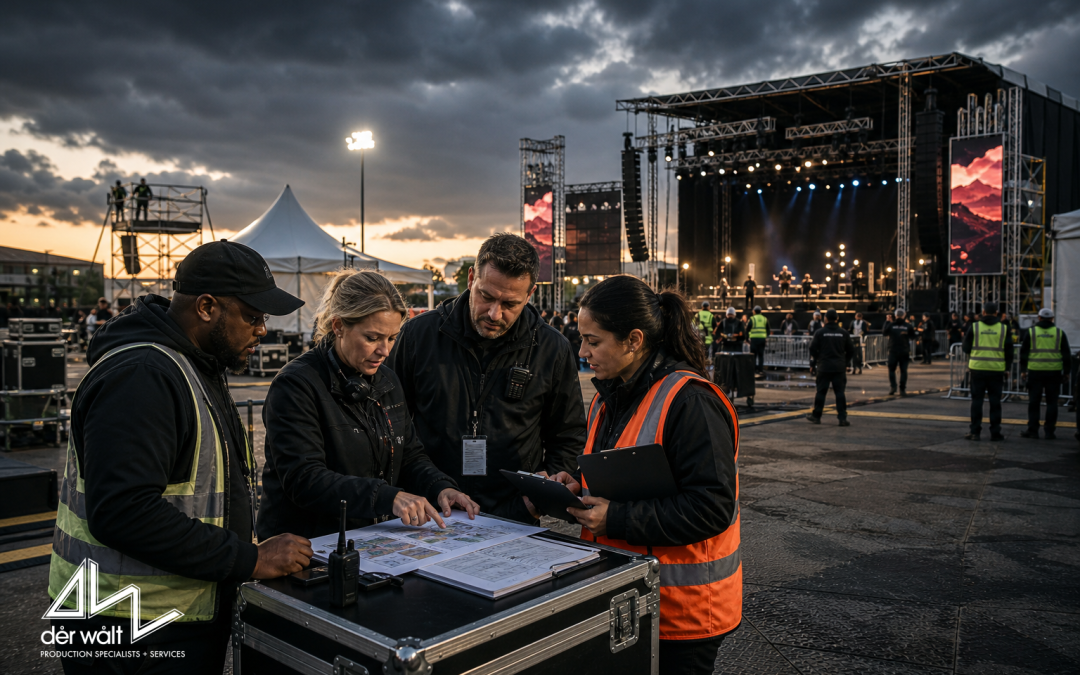
Practical Guide to Local SA Event Risk Management for Brands
An actionable framework for brands, agencies, and venues delivering events in South Africa. It covers weather planning, safety, procurement, transport, budgets, and timelines, with practical steps and clearly distinguished recommendations.
South Africa’s event landscape demands a pragmatic approach to risk management that accounts for weather variability, local procurement realities, transport logistics, and labour considerations. Whether you’re coordinating a corporate activation, a venue-driven experience, or a multi-site brand activation, a structured plan that integrates safety, sustainability, and stakeholder expectations will save time, protect people, and safeguard budgets. This guide offers a practical, SA-focused framework you can adapt across projects, with notes on where to verify details against local regulation and best-practice standards.
Weather-aware planning for outdoor events in South Africa
Outdoor events in SA must contend with rapidly changing weather patterns, from intense sun to sudden thunder storms. A proactive weather plan reduces last-minute disruption and protects attendees. Start with a weather risk register that identifies typical conditions for your season and location, then set trigger points for actions such as delaying activities, moving to sheltered spaces, or evacuating to safe zones.
Leverage South African Weather Service (SAWS) data and local forecasts to calibrate your plan. Consider micro-climates around venues—coastal towns can differ markedly from inland precincts in a single metropolitan area. Practical steps include ensuring adequate shade and cooling options, provisioning water, arranging misting systems where appropriate, and sizing temporary shelters to withstand wind. Don’t forget lightning safety: outdoor stages and crowds require clear procedures and designated safe zones well away from tall structures and metal components.
Communication is critical in weather scenarios. Pre-brief your team on forecast updates, establish a clear alert system, and ensure on-site staff can implement weather plans quickly. While weather data informs decisions, always verify forecasts with official advisories before making changes to schedules or capacities.
Risk assessment and safety planning as an integrated discipline
A robust risk assessment identifies hazards, assesses their likelihood and impact, and implements controls that are proportionate to the event scale and audience. Treat risk management as an ongoing, live process from concept through wrap. Use a simple risk matrix to categorize hazards such as crowding, trip hazards, electrical risks, fire safety, and medical emergencies. For each hazard, assign controls—engineered solutions (barriers, distances), administrative measures (staffing, checklists), and personal protective equipment as needed.
Embed safety into every phase: site and stage layouts, access control, emergency egress routes, medical provisions, and incident reporting. Assign clear roles: Safety Officer, Medical Lead, Security Lead, and Communications Lead. Document emergency procedures, evacuation routes, muster points, and on-site contact details. Compliance with the South African Occupational Health and Safety Act helps align these plans with statutory expectations and industry best practice. Consider adopting internationally recognized event-safety frameworks where applicable to bolster credibility and consistency across partners.
Where possible, reference industry resources such as venue management associations and risk-management bodies to inform your plan. The goal is not only to comply with regulations but to create a safer, smoother attendee experience that can adapt to changing conditions without sacrificing quality.
Procurement and local supplier engagement in South Africa
Local procurement is central to SA event delivery. Start supplier scouting early and pre-qualify local vendors for audiovisual, staging, catering, décor, transport, and security. Early engagement helps manage lead times, negotiate terms, and align safety and insurance requirements. When awarding contracts, ensure clear acceptance criteria, defined service levels, and robust COIs (certificates of insurance) and licenses. Document expectations around installation, testing, reliability, and contingency support.
In South Africa, procurement decisions often intersect with regulatory and policy frameworks such as the Preferential Procurement Policy Framework Act (PPPFA). Plan to align procurement activities with fair competition, supplier diversity, and contract fairness guidelines, while still prioritizing reliability and safety. Build a pre-approved supplier list that includes local businesses with proven safety records, demonstrable capacity, and appropriate insurance coverage. This approach helps reduce last-minute bottlenecks and supports a smoother supply chain during production windows.
Logistics, transport, and venue coordination
Logistics sit at the heart of a successful activation. Map access routes, loading bays, parking, and vehicle circulation well in advance. Engage venue management early to understand load-in and load-out windows, rigging restrictions, and any neighborhood traffic considerations that might affect access. Plan for on-site security, crowd control, and clear signage to guide attendees, staff, and media. Consider shuttle solutions from public transport hubs or park-and-ride facilities if your venue serves a dispersed audience.
Accessibility and inclusivity are not optional add-ons—they’re essential for a broad audience. Ensure ramps, accessible restrooms, wayfinding, and attendee assistance points are integrated into the design. Coordinating with local authorities for road closures or temporary permits should be scheduled early, with buffer time for approvals and contingency routes in case of delays.
Power planning is particularly important in SA contexts where electrical reliability can vary by location and time. Work with qualified electrical engineers and preferred suppliers to size power loads, select generators or mains connections, and implement safety measures such as cable management, weatherproofing, and fuel logistics. Clear communication with the venue and production teams about power priorities (lighting, sound, video, live feeds) helps prevent bottlenecks during setup and showtime.
Budgeting and production timelines in a South African context
Budget discipline and realistic timelines are the bedrock of reliable delivery. Break budgets into categories (production, technical, talent, accommodation, transport, contingency) and align them with procurement milestones and permit deadlines. Build in a contingency line to cover weather-related adjustments, supplier delays, or staffing changes—these are common risk factors in SA productions. Production timelines should reflect lead times for permits, venue bookings, equipment rental, and staffing, with explicit milestones for pre-production, build, rehearsal, show, and debrief.
When setting timelines, factor in potential volatility in supply chains, currency or pricing fluctuations, and labour availability. Collaborate closely with suppliers to confirm delivery windows, installation sequences, testing periods, and on-site support during tuning and show days. Transparent, contractually defined SLAs help prevent scope creep and misaligned expectations among brands, agencies, and production teams.
Designing safety and crowd management for real-world events
Crowd management requires thoughtful design, clear communication, and trustworthy staffing. Capacity planning should be based on the venue’s egress rates, safety buffers, and the nature of activities on site. Use clear signage, visible barriers, and well-lit pathways to guide movement. Have a documented incident reporting process and quick access to medical support, security control points, and emergency communication channels. Align with guidance from reputable industry bodies to enhance credibility and consistency across partners and venues.
Coordination with security teams, venue staff, and external partners is vital. Regular briefings, pre-event drills, and a shared communications plan help ensure everyone knows how to respond to incidents, medical emergencies, or severe weather. These practices not only improve safety but also contribute to a smoother attendee experience who feel cared for and well-informed.
Power, lighting, and noise management on site
Power strategy should prioritize reliability and safety. Evaluate load requirements early and secure appropriate power sources, with redundant pathways for critical systems. Implement robust cable management, weather protection for power equipment, and clear separation between audience areas and electrical gear. Noise control is another important consideration: local curfews, venue agreements, and residents’ expectations may influence sound design, speaker placement, and timing. Prepare a noise management plan that includes monitoring, direction for operational teams, and a process for addressing complaints quickly.
Electrical safety is non-negotiable: use certified electrical installers, maintain protective barriers, and verify weatherproofing and grounding. Document all safety checks and commissioning activities in your project files to support audits and post-event reviews.
DERWALT’s approach to end-to-end event delivery
DERWALT is positioned to support brands, agencies, and venues with a structured, end-to-end approach to experiential marketing and event production. Our capabilities include strategic event planning, production management, supplier coordination, stage and show production, logistics, content creation, and on-site execution. By integrating risk management with creative delivery, we help clients maintain quality while navigating budgeting, procurement, and compliance in the South African context. We prioritise transparent planning, early supplier engagement, and collaborative production workflows to keep projects on schedule and within budget—without compromising safety or attendee experience.
Sources
- South African Weather Service — Weather planning for outdoor events — Publisher: South African Weather Service
- ISO 20121: Event sustainability management systems — Publisher: International Organization for Standardization
- International Association of Venue Managers — Publisher: IAVM
- Preferential Procurement Policy Framework Act (PPPFA) — National Treasury — Publisher: National Treasury
- Occupational Health and Safety Act, 1993 (Act 85 of 1993) — Publisher: South African Government
Ready to plan with confidence? Contact DERWALT
If you’re looking to elevate your next activation or event-production project with disciplined risk management, end-to-end delivery, and South Africa-focused planning, reach out to DERWALT. We tailor experiential marketing and production solutions to your brand objectives, timelines, and local context.
Recent Comments