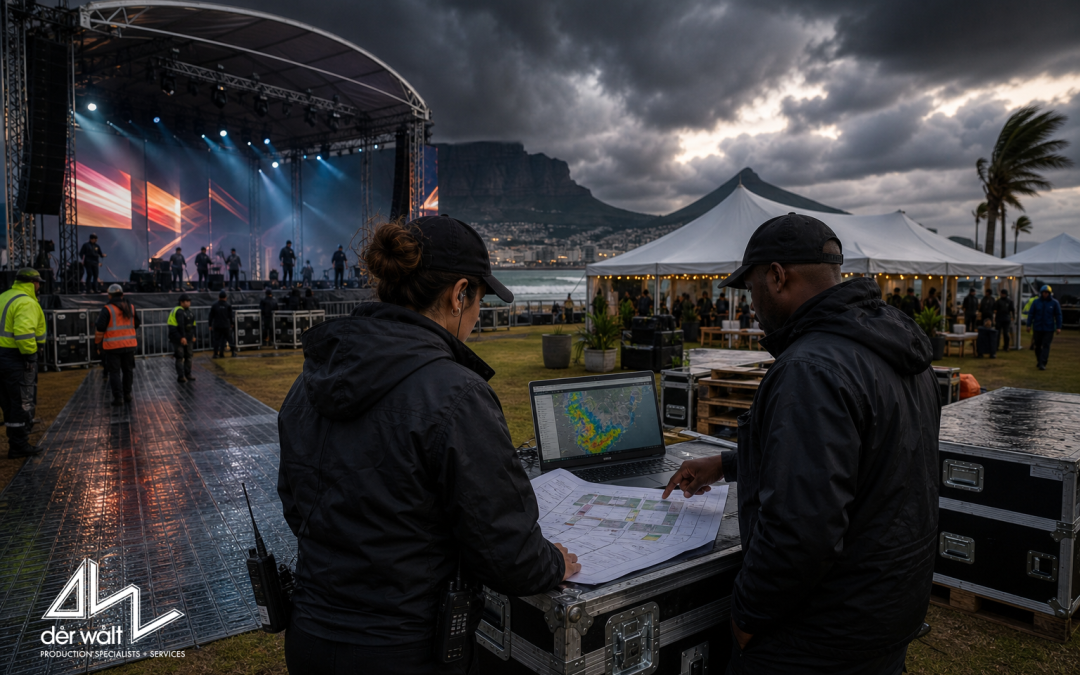
Planning Weather-Resilient Outdoor Activations in South Africa: A Practical Guide
Learn practical, step-by-step planning for weather-resilient outdoor activations in South Africa. We cover risk assessment, safety, permits, transport, power, budgeting, and local supplier considerations to help brands and agencies deliver reliable experiences.
Outdoor activations are a staple in South Africa’s vibrant experiential marketing scene. From product launches in coastal towns to festival-stage activations in inland cities, the weather can be as much a partner as a challenge. A resilient plan isn’t just about a marquee and a generator; it’s a disciplined approach to risk, logistics, and safety that aligns with local realities—load shedding schedules, coastal wind patterns, transport corridors, labour considerations, and procurement lead times. This article outlines a practical framework to plan weather-resilient activations that protect brand experience while keeping timelines and budgets realistic.
Assessing Weather Risk for Outdoor Activations
Weather risk planning begins with credible forecasts and a clear understanding of local climate patterns. South Africa’s weather varies by region and season, so tailor intelligence to your site. Leverage reliable forecasts, but also build in contingency windows for delays caused by rain, heat, wind, or storms. A simple risk matrix helps teams quantify likelihood and impact of adverse conditions and decide when to proceed, delay, or switch to a covered footprint.
Leverage reliable weather intelligence
Use the South African Weather Service (SAWS) as a baseline for alerts, warnings, and regional trends. For coastal events, pay attention to wind advisories and possible rain showers; for inland events, heat and afternoon thundershowers can disrupt schedules. Incorporate forecast lead times into procurement and load-in plans, so contingency purchases (marquees, flooring, shade) can be staged rather than rushed at the last minute.
Designing for Weather Resilience
Resilience starts at site design. A well-planned footprint reduces water ingress, wind load impacts, and heat-related discomfort for guests and staff. Consider these practical elements early in the design process:
Shelter, drainage, and flooring
Plan for rain and sun by specifying robust marquees with appropriate sidewalls and clearspan configurations. Ensure the site has proper drainage to avoid puddling that can affect guests and equipment. For high-traffic areas, use non-slip, accessible flooring and consider temporary pathways to keep guests away from muddy or uneven ground.
Wind considerations and stage safety
Rely on wind-rated structures and secure anchoring. Identify potential gust zones at the venue (near coastlines or open fields) and design rigging that minimizes wind exposure. Have a quick-disconnect plan for banners, lights, and banners to reduce risk during sudden gusts.
Shading and cooling
Provide shaded zones and ample hydration points. SA summers can be intense; plan misting or cooling stations in strategic locations and ensure staff have access to shade during breaks to maintain performance quality and safety.
Power, Safety, and Technical Coordination
Power reliability and electrical safety are critical in South Africa, where load shedding and infrastructure variability can disrupt AV elements, lighting, and sound. A proactive power strategy supports continuity and safety.
Power strategy and equipment protection
Size generators with a buffer for peak loads and potential delays. Where feasible, use diesel or petrol generators with low-noise specifications and proper fuel storage. Plan for weatherproofing and cable protection—runners, cable ramps, and shaded or indoorized wattage sources to prevent water exposure. Consider battery-backed or generator-backed backups for critical elements such as emergency lighting, ingress/egress lighting, and critical AV cues.
Electrical safety and compliance
Adhere to electrical safety best practices and, where possible, local standards for temporary power installations. Use weatherproof distribution boards, water-resistant cabling, and certified contractors for rigging and electrical work. Ensure all staff receive basic electrical safety briefings and that a clearly marked emergency shutdown procedure exists on-site.
Permits, People, and Compliance
In addition to weather considerations, outdoor events in South Africa require careful navigation of permits, safety planning, and accessibility. A proactive compliance approach reduces risk and speeds up onboarding with venues and authorities.
Permits and safety plans
Confirm required permits early with the venue and city authorities. For larger or public-facing activations, develop a site-specific safety plan, including crowd management, first aid stations, fire safety, and clear evacuation routes. Document access and egress plans, especially for venues with complex layouts or public transport access.
Staff, contractors, and accessibility
Coordinate with local labour and suppliers to align with procurement timelines and labour regulations. Address accessibility for all guests, including wheelchair access, viewing platforms, and service routes for staff and emergency services. Keep a simple, multilingual communications plan to accommodate South Africa’s diverse guest profiles.
Local Procurement, Budgeting, and Timelines
Local procurement is a practical lever for managing cost, lead times, and logistics. Engaging South African suppliers supports faster turnarounds and helps you manage currency and inflation risk in a volatile market. Build budget buffers for weather-related contingencies, additional shelter, and emergency transport or accommodations for staff if weather disrupts plans.
Procurement and lead times
Source marquee covers, flooring, shade structures, lighting, and AV from South African suppliers where possible. Confirm lead times early and secure backups for critical components. If a vendor has limited capacity, pre-allocate alternate options to prevent delays in load-in and rehearsals.
Budgeting considerations
Incorporate a formal contingency line item for weather-related changes (shelter, ground protection, climate control, and portable restrooms if needed). Include costs for additional security, signage, and safety staff in the event of wind or rain changes that require crowd flow modifications or venue reconfiguration.
A Practical 12-Week Production Plan
A structured timeline helps teams stay aligned and resilient to changes. The following framework is a practical reference for planning outdoor activations in SA. Adapt to your project scale, venue, and regional climate.
Weeks 1–2: Brief, risk, and concept alignment
Lock the activation objective, audience, and success metrics. Begin a high-level risk assessment focusing on weather, crowd safety, and access. Initiate early conversations with key SA suppliers and identify potential weather contingencies that could affect core elements (stage, shelter, power).
Weeks 3–4: Site assessment and design
Conduct a site visit or remote survey to verify footprint, drainage, shade availability, and access routes. Develop the detailed layout, including shelter placements, generator locations, and crowd-flow diagrams. Start drafting the safety plan and contact lists for medical responders and event controllers on-site.
Weeks 5–7: Supplier confirmations and risk mitigation
Confirm marquee suppliers, AV rental, power, fencing, and traffic management. Establish weather contingency procurement, such as extra shelters or ground protection. Lock in the transport plan, crew accommodations if needed, and local permits. Begin rehearsals or technical run-throughs with provisional weather adjustments in mind.
Weeks 8–9: Finalizing logistics and compliance
Finalize crew rosters, first-aid arrangements, accessibility measures, and emergency procedures. Finalize routing, signage, and guest information materials. Confirm weather-related decision points (e.g., when to delay or relocate to a backup space) and ensure all stakeholders understand the triggers.
Weeks 10–12: Load-in, dry runs, and go-live
Execute load-in with weather contingencies, test power, AV, and lighting. Conduct a full safety and evacuation drill with staff. If weather conditions deteriorate, execute the contingency plan promptly to minimize disruption and safeguard guests and crew.
DERWALT’s End-to-End Capabilities
DERWALT specializes in experiential marketing, brand activations, and event production, offering end-to-end support from strategic planning to on-site execution. Practical capabilities include event strategy, production management, technical planning, stage and show production, logistics, supplier coordination, content creation, and comprehensive risk management. The aim is to deliver reliable experiences despite weather and logistical challenges by aligning production design with real-world constraints in South Africa.
Key differentiators include a collaborative approach with brands and agencies to align objectives with pragmatic, on-the-ground feasibility. The focus is not only on creating memorable guest experiences but also on safeguarding people, assets, and timelines through structured planning, credible supplier networks, and disciplined on-site execution. This article shares actionable guidance while acknowledging that local regulations, venue policies, and weather developments require verification and adaptation.
Sources
- South African Weather Service — South African Weather Service
- Event safety — Health and Safety Executive
- IAVM — International Association of Venue Managers
- Mass gatherings and public health — World Health Organization
- SABS — South African Bureau of Standards
Partner with DERWALT for your next activation
Ready to plan a weather-resilient outdoor activation with confidence? Reach out to DERWALT to discuss how we can support experiential marketing, activation or event-production needs across South Africa, from strategic planning and risk assessment to on-site delivery and logistics coordination.
Recent Comments