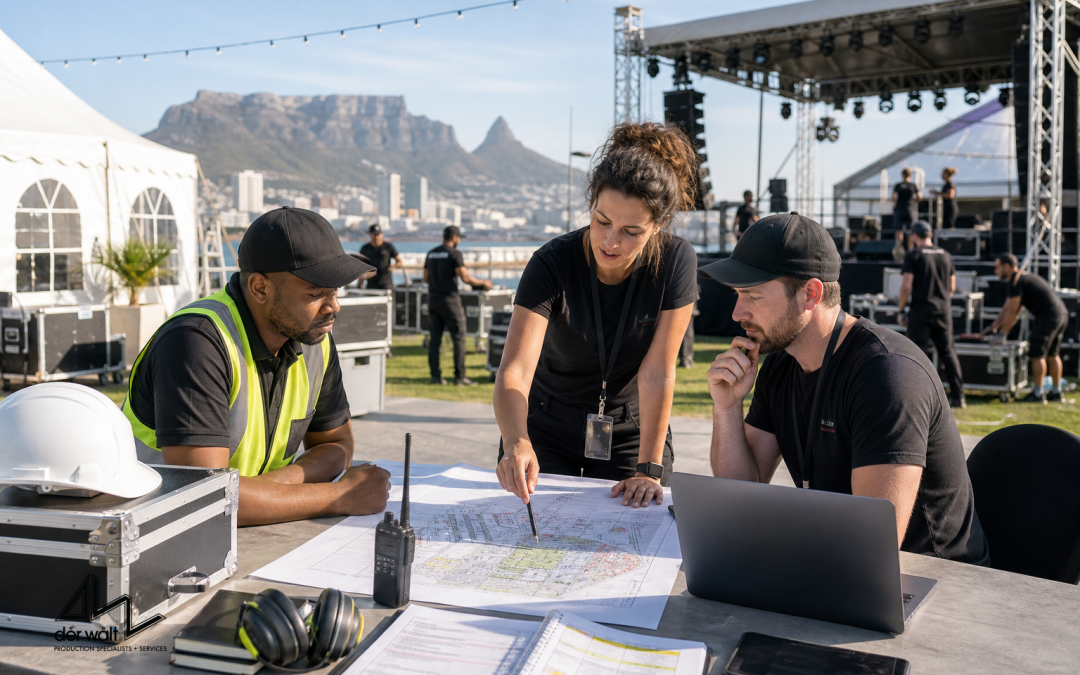
Planning South African Experiential Activations: Practical Production and Safety Playbook
Planning South Africa–based experiential campaigns demands meticulous logistics, local supplier networks, and proactive risk management. This guide offers practical steps for brands, agencies, venues and production teams to tighten timelines, budgets and safety.
South Africa’s events landscape presents a dynamic mix of urban venues, variable weather, diverse supplier ecosystems and regulatory expectations. From Cape Town to Johannesburg, Durban to less metropolitan towns, brands launching experiential activations must balance creative ambition with practical constraints. A robust plan isn’t just protective—it’s the backbone of a reliable, memorable experience that can scale across multi-venue activations and seasonal campaigns.
In this guide, we differentiate practical guidance from verifiable requirements, drawing on established industry practice and reputable standards. While some specifics depend on the municipality, venue and project scope, the core principles below apply to most South African activations and can help you align timelines, procurement, safety, and on-site execution with realistic budgets and schedules.
Why robust planning matters for South African events
Regulatory alignment is the baseline for safe events. Employers and organisers bear responsibilities under governing safety frameworks, and many municipalities require permits, road closures or local authority approvals for activations that affect traffic, noise or public spaces. While processes vary, engaging early with local authorities, venue management and licensed service providers reduces last‑minute delays and non-compliance risks.
Health and safety considerations extend to every role on site. The Occupational Health and Safety Act guides how employers and event organisers manage risk, train staff and document safety controls. Understanding core obligations—risk assessments, safe electrical installations, PPE usage and clear emergency procedures—helps prevent costly incidents and reputational risk. It also supports smoother procurement, as compliant suppliers are more likely to be engaged without friction.
Beyond compliance, stakeholders expect reliable delivery. A well-structured plan communicates to sponsors, partners and attendees that the activation is professionally managed, which can influence buy-in, budgets and future collaborations. The practical choices you make—site surveys, local supplier engagement, contingency reserves—often determine whether a concept remains aspirational or becomes a tangible, shareable moment.
Build a resilient production schedule
Time is your most valuable asset in event production. A resilient schedule accounts for lead times, permit approvals, design sign-offs and weather-related contingencies. A typical activation may require 12–16 weeks of prep for a single-site event, with longer horizons for multi-venue campaigns or complex builds.
Key steps to embed into your timeline:
- Define the critical path: core deliverables (venue, stage, power, lighting, sound, safety, access) and non‑negotiables (permits, insurance, permits, medical staff).
- Lock site surveys and design approvals early. Use 2–3 weeks for revisions and stakeholder sign-off.
- Coordinate with local suppliers and service partners who can operate under SA electrical and safety standards, ensuring COIs, warranties and service level expectations are in place.
- Schedule rehearsals, technical checks and dry-runs, leaving buffers for weather or equipment availability.
- Plan for transport and logistics windows, including peak traffic, vehicle access at venues and staggered load‑in to minimise disruptions.
Local procurement and contractor coordination
Leveraging local suppliers is often the most practical way to control risk, cost and lead times. Local vendors are typically more familiar with venue constraints, permit ecosystems, and South Africa’s transport networks. They can also offer faster standby response and easier on-site coordination, which reduces downtime during install and show days.
Practical procurement guidance:
- Engage 3–5 qualified local suppliers for each major category (power, staging, audio, video, lighting, fabric and décor, security, medical). Use competitive RFQs and publish clear scope of work, safety standards and insurance requirements.
- Verify compliance: confirm public liability and professional indemnity insurance, electrical compliance for generators and distribution boards, and valid licenses for technicians (electricians, riggers, stagehands).
- Build in lead-time buffers for contingencies, ordering windows, and possible supply chain delays. Consider local alternatives if preferred gear is unavailable closer to the date.
- Trend-watch: currency fluctuations, fuel costs and seasonal demand can impact pricing. Build a cost model with conservative allowances rather than optimistic estimates.
Safety, compliance and risk management
Safety planning should precede creative decisions. A site-specific safety plan captures hazards, control measures and emergency response protocols. The plan should be a living document, updated as venue conditions, weather forecasts or staff rosters change.
Key components include:
- Site risk assessment and method statements (RAMS) for all activities, including rigging, electrical installation, stage construction and crowd management.
- Emergency response planning: establish muster points, evacuation routes, first-aid stations and clear communications to staff and attendees.
- Medical readiness: trained first-aid personnel, access to EMS, and a communications plan for rapid escalation if required.
- Electrical safety: robust power distribution plans, weatherproofing for outdoor use, and regular safety checks by qualified technicians.
- PPE and training: baseline safety briefings for all staff and contractors, with role-specific safety instructions and on-site supervision.
Weather contingency and on-the-day operations
Weather is a constant variable for SA events. From heat and sun exposure to sudden showers or strong winds, contingency planning reduces disruption and protects people and gear. The South African Weather Service is a primary resource for forecasts and climate advisories, while on-site readiness requires flexible logistics and resilient equipment choices.
Scenario planning: Durban rain vs Cape Town heat
For rain-prone afternoons, consider covered or marquee‑style shelter, waterproof coverings for AV gear, and drape management for water runoff. A modular layout with quick-access exits minimizes bottlenecks if sheltering becomes necessary. In extreme heat, prioritise shade structures, misting options, ample hydration stations and cooling breaks for performers and crew. Battery-powered or hybrid lighting can reduce heat buildup and fuel needs when mains power is not readily available.
On the day, implement a simple command-and-control protocol: a dedicated operations lead, a safety lead, and a communications hub (radio or LTE-based) to coordinate information flow, weather alerts and any last‑minute changes to the schedule.
Budgeting for reliability and contingencies
No activation is truly immune to disruption. A prudent contingency budget—often 5–15% of total production costs—helps cover weather-driven shifts, last‑minute supplier substitutions, or additional safety provisions. This reserve can buy you:
- Temporary shelter, shade, fans or misting systems during heat waves.
- Backup power solutions (generators or battery storage) to ensure continuity during grid fluctuations.
- Expedited shipping or alternative vendor options if primary suppliers encounter delays.
- Additional security and medical staffing in response to crowd dynamics or incident response needs.
Transparent budgeting with stakeholders from the outset reduces the risk of scope creep and helps maintain momentum through the production lifecycle. Document assumptions, risk registers and decision logs so that any future activation can reuse the same proven framework.
How DERWALT can help
DERWALT supports brands, agencies and venues with end-to-end experiential marketing and event-production capabilities. Our approach focuses on practical prioritisation, reliable supplier coordination and on-site execution that aligns with SA realities:
- Strategic event planning and production management to map timelines, budgets and risk controls.
- Coordination with local suppliers, permitting bodies and venue teams to streamline onboarding and compliance.
- Technical planning for stage, sound, lighting, power, safety systems and crowd management, with scalable solutions for multi-venue activations.
- Content creation and on-site production support to ensure on-brand experiences across formats and locations.
- On-site teams equipped to adapt quickly to weather changes, supplier substitutions or schedule shifts, helping protect timelines and attendee experience.
By integrating production management with safety planning and local logistics, DERWALT helps you deliver immersive experiences that travel well across South Africa while staying within budget and regulatory bounds.
Sources
- South African Weather Service — South African Weather Service
- Occupational Health and Safety Act, 1993 — Department of Employment and Labour
- National Disaster Management Centre — Government of South Africa
- ISO 20121 Sustainable Events Management — International Organization for Standardization
Partner with DERWALT for your next activation
Ready to plan and execute a safe, impactful experiential activation in South Africa? Contact DERWALT to discuss your experiential marketing, activation or event-production needs. Our team offers end-to-end planning, supplier coordination and on-site production to help you realise a reliable, memorable event.
Recent Comments