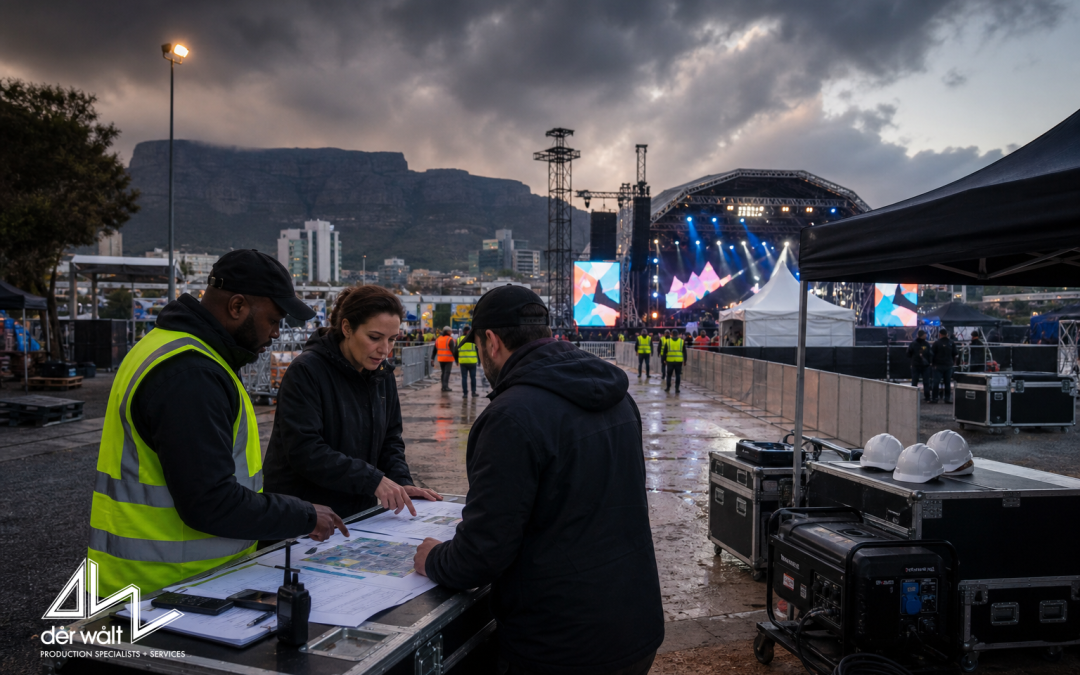
Planning SA Outdoor Activations: Weather, Safety and Logistics
Planning a resilient, compliant outdoor activation in South Africa requires a practical blend of weather-readiness, safety, procurement discipline and a tight production timeline. This guide maps the practical steps brands and agencies should follow.
Understanding the South African experiential landscape
In SA, outdoor activations sit at the intersection of brand storytelling, public safety, and regulatory compliance. The approach must respect local labour practices, procurement norms, and transport realities, from urban city centres to regional townships. A well-scoped brief aligns objectives with venue constraints, crowd capabilities, and seasonal weather patterns across the country. For brands and agencies, this means building flexibility into concepts—such as modular set pieces or weather-ready branding—that can adapt to shifting conditions without compromising the core narrative.
From vision to plan: a practical event production checklist
Define objectives, audience and venue type
Start with a SMART brief that ties brand goals to measurable activation outcomes (footfall, data capture, sales uplift). Identify the core audience and the most appropriate venue type—indoor, outdoor, or hybrid—considering local accessibility, safety, and power supply availability. In a South African context, the choice of venue can be influenced by transport links, nearby emergency services, and weather risk across regions. Early alignment with stakeholders reduces rework later in the timeline and helps ensure that creative ambitions remain feasible within the local operating environment.
Develop a robust risk and compliance framework
Construct a risk register that considers weather, crowd density, technical failures, and supplier reliability. Align with local OHSA requirements and ensure contractors carry valid insurance and the necessary permits. The South African reality is that compliance is not optional for events of any scale; some sites require safety management plans, crowd management plans, or electrical inspections before permit approval. Documented processes—from site induction to emergency response procedures—improve on-site safety and can shorten approvals with venues and authorities.
Engage local suppliers early, with due diligence
South Africa’s event supply chain benefits from local expertise in staging, power, security, and logistics—but it requires rigorous due diligence. Request proof of insurance, safety credentials, equipment certifications, and references. A robust onboarding process reduces last-minute risk, helps manage lead times, and supports workers’ safety and fair labour practices. Early engagement also helps ensure that equipment and staffing align with the unique demands of SA venues, power reliability, and climate-related contingencies.
Weather, transport and venue considerations
Outdoor SA climate realities and weather-readiness
South Africa experiences diverse microclimates. An outdoor activation in Cape Town faces wind and sudden marine or mountain weather shifts, while Johannesburg can see hot days and dramatic afternoon storms. Durban’s humidity and summer rainfall require different contingencies. Planning should include a weather monitoring plan, shelters or shade structures, wind-rated staging, and a clear decision tree for postponement or cancellation. Weather-readiness also means supplier contingency planning—having backup generators, water, and cooling options on standby reduces downtime and keeps attendees comfortable. Factoring weather into site layout—such as tent sizing, drainage, and flexible power distribution—minimises disruption when conditions change.
Transport, TMPs and approvals in a local context
Traffic management plans (TMPs) are essential for major activations near city centres or along busy routes. Coordinate with local authorities, venue management, and security providers well in advance to secure road closures, parking, and pedestrian access. Consider the broader transport ecosystem: public transport options, ride-hailing pick-up points, shuttle services, and staff parking. In SA, working through municipal guidelines and ensuring clear wayfinding, lighting, and crowd-flow logic can prevent bottlenecks and safety issues on event day. Communicate openly with nearby residents and businesses to mitigate concerns about noise, traffic, and safety impacts.
Supplier vetting and procurement in SA
Local content, BBBEE and supplier diversity
Where public-sector or government-backed programming is involved, or when brands commit to local economic empowerment, consider BBBEE and local supplier content as part of the procurement strategy. Build shortlists of local partners who understand local safety norms, permitting processes, and labour practices. A transparent procurement approach supports timely delivery, cost control, and compliance with local regulations. In practice, this means requesting local references, verifying compliance with safety standards, and ensuring that employment practices align with SA labour laws and expectations.
Insurance, licenses and safety documentation
Collect and validate insurance certificates, risk assessments, method statements, and equipment testing records from every vendor. Ensure electrical gear is inspected and certified where required, and that all site work adheres to the applicable South African safety standards. Having a pre-approved list of compliant vendors can streamline approvals and guard against on-the-day issues. A clear contract structure—covering scope, responsibilities, insurance, and incident reporting—helps manage accountability across multiple suppliers and phases of the event.
Timeline and production planning in South Africa
Lead times, permits, and procurement windows
Large activations typically require extended lead times for permits, power supply arrangements, and logistical coordination. Build a phased production schedule that starts with objectives, then venue scoping, supplier onboarding, and technical rehearsals. Align production milestones with procurement windows and the venue’s access hours. In SA, working with a trusted local production partner can help navigate regulatory steps, permit submissions, and liaison with venue management. Keep a clear audit trail of approvals and communications to avoid delays caused by missing documents or misinterpreted requirements.
Contingency planning and production buffers
Embed contingency planning into every phase—weather delays, supplier availability, and last-minute changes to programming. Set clear decision points (for example, a go/no-go milestone several days before the event) and maintain budget buffers to cover unforeseen costs. Clear communication with clients, venues, and suppliers helps keep timelines realistic and reduces scramble on production day. Build in “plan B” options for key elements such as power, shelter, and safety staffing so the activation can continue with minimal downtime if a component fails.
Sources
- South African Weather Service — South African Weather Service
- Occupational Health and Safety Act (OHS Act) — Department of Employment and Labour
- ISO 45001:2018 Occupational health and safety management systems — International Organization for Standardization
- SANS 10142-1 Electrical Installations — South African Bureau of Standards
- Event Safety Guide — Event Safety Alliance
Get in touch with DERWALT
Let DERWALT help you design, plan and execute safe, memorable experiential activations. From production management and technical planning to supplier coordination and end-to-end delivery, we tailor solutions to your brand and budget. Reach out to discuss your next activation.
Recent Comments