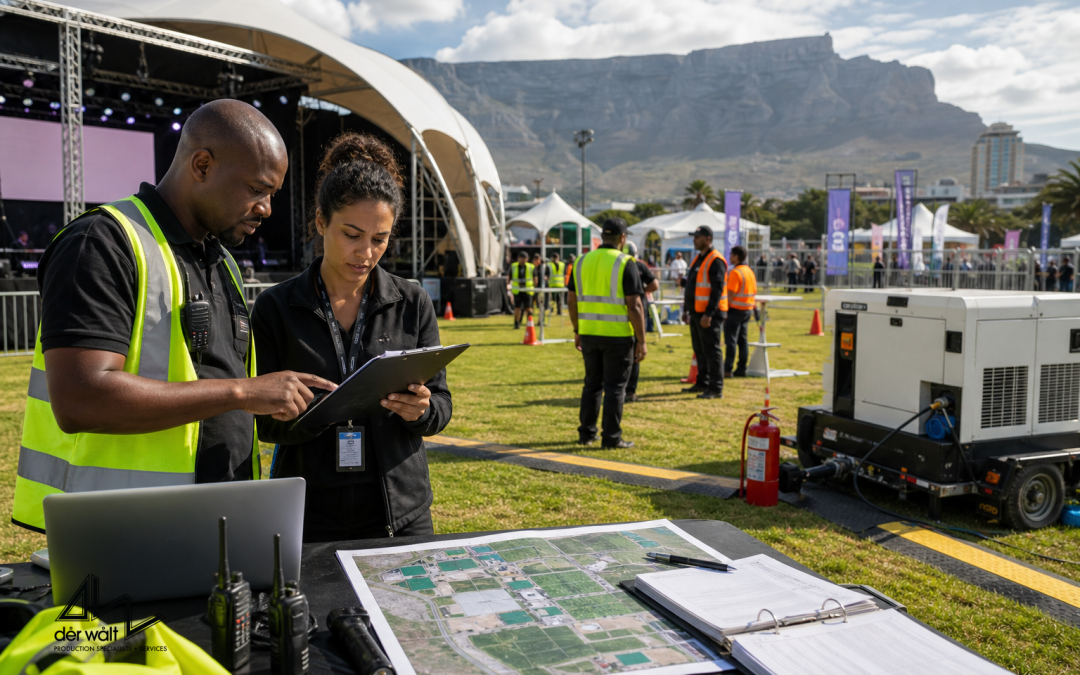
Outdoor Experiential Activations in SA: Practical Contingency Planning for Weather, Power, and Safety
Plan for the unexpected with a practical, scalable contingency framework tailored to South Africa. This guide covers weather, power reliability, safety, permits, and on-site decision-making for outdoor activations.
The single most important step is to implement a formal contingency plan from the outset that explicitly covers weather, power reliability, and safety as core deliverables. In South Africa, these factors are dynamic and interdependent, so align them with your project timeline and budget from day one.
Why contingency planning matters for SA outdoor activations
Outdoor activations in South Africa face unique risks—from sudden weather changes to load-shedding and complex permit requirements. A robust contingency plan minimizes disruption, protects participants, and preserves your activation’s impact. It also provides a clear framework for decision-making when conditions shift, ensuring that stakeholders stay aligned and actions remain swift and accountable.
Effective contingency planning is not about pessimism; it’s about resilience. It enables safe audience experiences, protects investment, and keeps sponsors’ objectives intact even when the weather or power supply behaves unpredictably. The guidance below combines practical steps with SA-specific considerations, drawing on established safety and event-management standards.
Key contingency areas to cover
Weather risk management
Identify top triggers for postponement or scale-down, such as thunderstorms, high winds, or heat stress. Use a reliable local forecast service and set clear thresholds for moving activities, shelter-in-place, or postponement. Plan for shade, hydration, cooling zones, rain protection, and safe shelter locations. Build a decision tree that assigns responsibility to a designated on-site lead or control room for weather-related decisions.
Power and lighting contingency
Power reliability is a recurring challenge in SA. Develop a site-specific power plan that includes base-load requirements, on-site generators, battery back-ups, and fuel management. Specify generator placement for noise and safety, ensure electrical equipment is compliant with standards, and pre-arrange service arrangements with backup vendors. Include a plan for abrupt power loss, including safe shutdown procedures for AV and stage equipment.
Crowd safety, access, and egress
From crowd density modeling to emergency egress routes, design circulation that allows smooth movement and rapid evacuation if needed. Align with best-practice crowd-management principles and venue-specific rules. Appoint trained stewards and establish muster points and clear signage. Conduct a quick on-site risk review with security and safety teams during load-in and show time to adapt to any changes in layout or audience size.
Permits, permissions, and work-related compliance
South African events often require multiple permits (noise, road closures, alcohol licensing, crowd-management plans, and temporary structures). Map these early, with deadlines and responsible parties. Build buffers in your schedule for permit approval and ensure contractors understand the local regulatory environment, including health and safety obligations on site.
Communication and on-site decision-making
Establish a robust on-site command structure, including a control room, radios or reliable mobile comms, and backup communication channels. Prepare emergency messages for attendees and staff, and test megaphone and PA systems. Ensure all partners—vendors, venues, and production teams—understand the escalation path and authority to make critical decisions on the ground.
Practical steps and a lean contingency checklist
- Assemble a contingency planning team at project kickoff, including producers, security, venue liaison, and technical leads.
- Develop a risk register focused on weather, power, crowd safety, and permit timelines. Assign owners and review dates.
- Create a weather-forecasting protocol with defined triggers for shelter-in-place, postponement, or cancellation. Include alternative venues or dates where feasible.
- Design a power strategy with base-load needs, standby generators, fuel supply plans, and electrical safety audits. Include battery backups for critical AV systems and lighting.
- Draft emergency procedures, evacuation routes, muster points, and staff roles. Run a tabletop exercise with key stakeholders to verify readiness.
- Coordinate with the venue and local authorities early, securing permits with clear timelines and fallback options. Build in time buffers for approvals.
Common mistakes to avoid
- Underestimating the impact of weather and failing to set objective, data-driven thresholds for action.
- Overloading the power plan without accounting for generator reliability, fuel needs, and maintenance windows.
- Neglecting transport, access, and emergency vehicle routes in the planning phase.
- Ignoring venue-specific safety and regulatory requirements, which can cause last-minute changes and fines.
- Inadequate on-site communications, leaving staff uncertain about roles during a disruption.
FAQ
What should be included in a contingency plan for SA outdoor events?
A risk register, weather protocol, power and backup systems plan, crowd-safety procedures, permit compliance steps, and a clear on-site decision-making framework.
How far in advance should contingency planning start?
At project kickoff, with milestones tied to permit approvals and supplier lead times. Revisit and update the plan as the event details evolve.
What type of weather events are most relevant for SA venues?
Thunderstorms, heavy rain, high winds, and heatwaves. Local forecasts and seasonal patterns should guide triggers for action and sheltering strategies.
How do you manage power risks in load-shedding environments?
Develop a layered power plan with base-load power, generators, battery backups, and fuel logistics. Include testing periods and safety checks for electrical systems.
What standards guide crowd safety and risk management?
General risk management practices align with HSE guidance and ISO 20121 for sustainable events; they emphasize risk assessment, staffing, clear roles, and emergency procedures.
Sources
- South African Weather Service (Weathersa) — Weather forecasting and risk indicators
- Eskom — Load shedding information and advisories
- Health and Safety Executive (HSE) — Crowd safety and event guidance
- ISO 20121:2012 – Event sustainability management systems
- International Association of Venue Managers (IAVM) — Venue and event operations guidance
Ready to plan and execute resilient, high-impact activations with DERWALT?
Get in touch with DERWALT to discuss experiential marketing, activation, and end-to-end event-production support that anticipates weather, power, and safety challenges while delivering measurable audience experiences.
Recent Comments