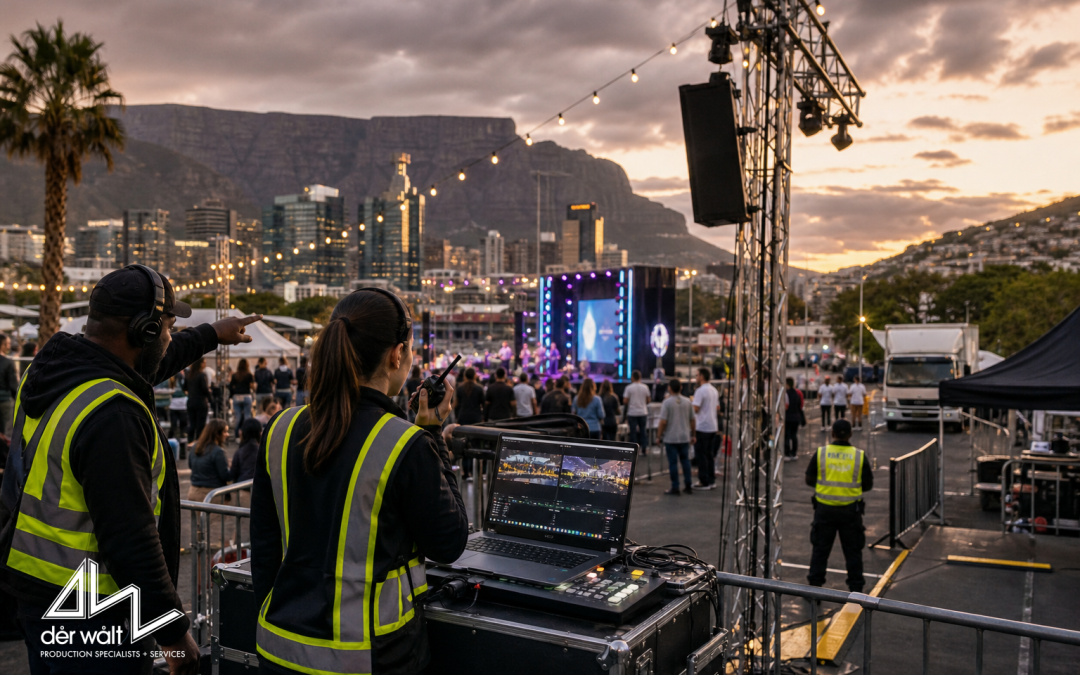
How to Plan Safe, Scalable Outdoor Activations in South Africa
Planning outdoor and hybrid activations in South Africa demands careful safety, permits, logistics, and supplier coordination. This guide delivers practical, verifiable steps for brands, agencies, venues, and production teams to execute scalable activations.
Framing the hybrid activation: objectives, audience, and budget
Hybrid activations combine in-person experiences with digital extensions to reach broader audiences while controlling costs. Start by clearly defining objectives: brand immersion, lead generation, or product launch? Then map audience segments, technical needs, and budget constraints. In the South African context, budget planning should account for currency volatility, supplier lead times, and transport contingencies between major hubs like Johannesburg, Cape Town and Durban. A defined, realistic budget also helps determine the mix of live elements versus streaming production, which can influence venue choice, power requirements, and staffing needs.
Venue, permits and local compliance
Choosing the right venue in SA requires upfront attention to permitting, access, and crowd safety. Local authorities often require temporary event notices, road closures, and compliance with fire, health, and safety regulations. Start by engaging the venue management and the local municipality early to understand permit timelines, load-in/load-out constraints, and access windows. If the activation sits on public space, you may need a traffic management plan and coordination with SAPS or municipal traffic departments for road closures. Plan for contingency days in case weather or logistical delays affect access. Always verify venue-specific rules for generator sets, noise limits, and lighting curfews, especially in residential districts or coastal municipalities with strict environmental controls.
Power, logistics, and technical planning
South Africa’s energy landscape—characterised by load shedding schedules and variable grid reliability—requires robust power planning. Engage licensed electrical teams early, define load requirements for stages, AV, lighting, and streaming equipment, and specify contingency power (generators with fuel uptime, fuel suppliers, and on-site maintenance). Ensure electrical installations comply with local standards and that generators are positioned with proper ventilation and setback distances to public areas. For hybrid events, plan reliable streaming rigs, multiple camera feeds, and redundancy for critical components (encoders, streaming platforms, and backup internet connections). Coordinate with local vendors for technical gear and service continuity, and confirm on-site data connectivity, VPN access, and bandwidth requirements well in advance.
Practical guidance on supplier procurement in South Africa
Procurement in SA often hinges on building relationships with reliable local suppliers, negotiating payment terms, and aligning timelines with production calendars. Prepare clear scope documents, avoid last-minute changes, and verify that all suppliers hold necessary licenses, insurance, and safety records. Where possible, consolidate orders with a primary production partner to reduce logistics complexity and improve accountability. If public procurement rules apply (for sponsored or municipal events), follow transparent processes and document supplier quotes and evaluation criteria to mitigate risk and ensure compliance.
Staffing, labour, and safety management
Labour planning should reflect SA labour laws, including training and safety briefings for temporary staff. A detailed risk assessment and method statement (RAMS) should cover crowd management, stage operations, and emergency procedures. Identify qualified supervisors, safety marshals, and first-aid personnel, and ensure all crew have weather-appropriate PPE and high-visibility clothing where required. In SA, safety planning should be approached with the Occupational Health and Safety Act (OHSA) in mind, along with site-specific risk controls. Build time for crew induction, on-site safety drills, and a clear escalation ladder for injuries, weather incidents, or equipment failures. Transparent communication with staff improves response times and overall safety outcomes.
Weather readiness and environmental considerations
Outdoor SA events are subject to rapid weather shifts, coastal wind changes, and heat. Consult the South African Weather Service for reliable, forecast-informed planning and incorporate weather contingency into the timeline. Build weather plans into the production schedule: shaded/rest areas for heat, rain covers for AV gear, and contingency dates in case of inclement conditions. Communicate weather plans to attendees and staff so everyone understands procedures during weather events. Environmental considerations—such as waste management and noise controls—should align with local regulations and venue policies, particularly in sensitive urban or coastal zones.
Transport, access, and crowd management
Efficient transport and crowd flow reduce risks and improve the attendee experience. In major SA cities, coordinate with transport partners for shuttle services, ride-hailing drop-offs, and secure parking. Map entry and exit routes to minimize bottlenecks, and deploy trained stewards to assist with queue management, accessibility, and emergency egress. For larger activations, develop a crowd management plan that includes evacuation procedures, signage, and communication channels. Ensure access for delivery vehicles during load-in/load-out windows, with clear parking zones and uninterrupted access for emergency services.
Content design, streaming, and on-site experiences
Hybrid success hinges on seamless content delivery. Invest in reliable streaming platforms, camera coverage, and on-site production design that preserves brand storytelling across both in-person and digital audiences. Ensure content is accessible, with engaging, modular activations that translate well to online audiences. Collaborate with local creatives for authentically South African storytelling, while maintaining consistent brand rhythm across channels. Content strategy should include pre-recorded elements, live interactions, and post-event engagement to maximise reach without compromising production quality.
Timeline, workflow, and governance
Estimate a realistic production timeline—ideally 8–12 weeks for midsize activations and longer for multi-venue or national programs. Break the project into stages: concept and approvals, design and permitting, supplier procurement, load-in logistics, on-site production, event management, and post-event wrap. Maintain a central production schedule with milestones, owner assignments, and risk registers. Build governance into every step: formal sign-offs for design changes, safety approvals, and budget amendments. In SA, factoring in supplier lead times and transport arrangements is essential; schedule buffer days to accommodate delays and weather-related contingencies.
Risks and mitigations: practical vs. aspirational
Common risks include power outages, weather disruptions, permit delays, and supply chain hiccups. Practical mitigations include securing a licensed electrical contractor, establishing a robust backup power plan, securing weather insurance where appropriate, obtaining all permits early, and maintaining a diversified vendor list to avoid single points of failure. Distinguish practical recommendations from aspirational goals: while a flawless, perfectly synchronized hybrid event is desirable, a well-planned, safety-first activation with solid contingencies and clear communication often yields predictable, favorable outcomes even when some elements underperform. Document risk assessments and decision logs so teams can respond quickly and learn for future activations.
Sources
- ISO 20121:2012 – Sustainable Events Management — International Organization for Standardization
- Occupational Health and Safety Act (OHSA) — Department of Employment and Labour, South Africa
- South African Weather Service — National weather forecasting and advisory services
- Event safety guidance — Health and Safety Executive (UK)
- SAACI — South African Association for the Conference Industry
Partner with DERWALT for end-to-end experiential marketing and event production
If you’re planning a brand activation, experiential campaign, or end-to-end event production in South Africa, DERWALT offers strategic planning, production management, and supplier coordination to help you deliver safe, scalable activations that connect with local audiences. Let us support your next hybrid or in-person activation with clear timelines, compliant safety protocols, and efficient logistics.
Recent Comments