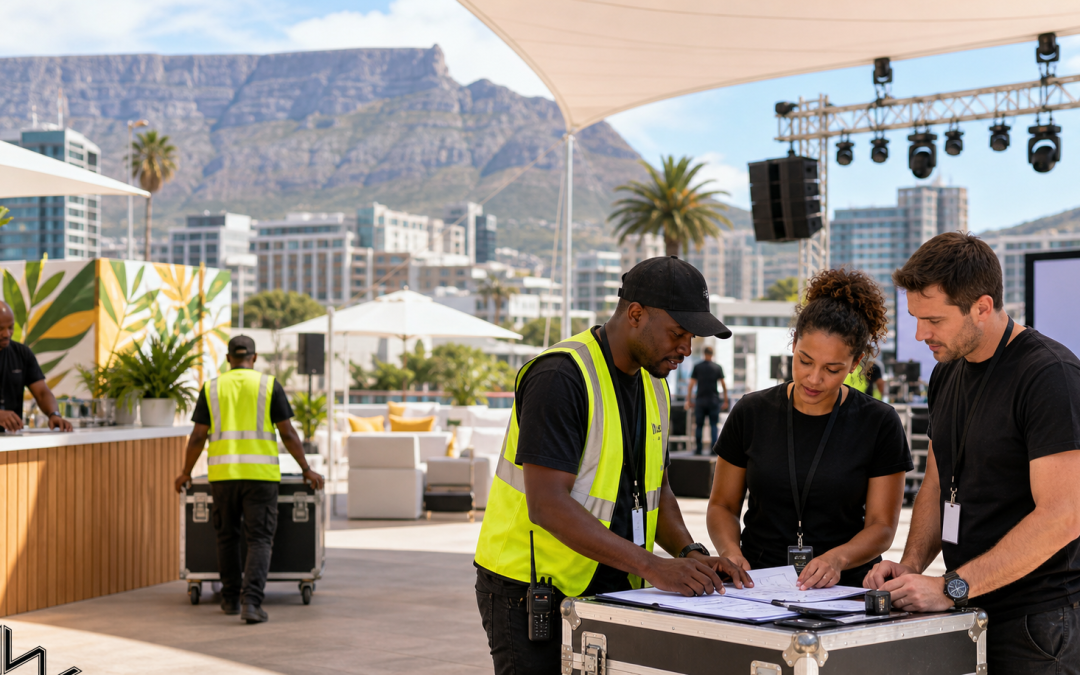
How to Plan a Cost-Effective Experiential Activation in South Africa
This practical guide helps brands, agencies and venues plan affordable, compliant experiential activations in South Africa. It covers procurement, transport, weather contingency, safety, labour, and production timelines with local context and actionable steps.
South Africa’s vibrant events landscape demands careful coordination across procurement, transport, weather planning, and safety. A cost-effective experiential activation hinges on early stakeholder alignment, a disciplined procurement process, and robust on-site execution plans that respect local realities—ranging from labour considerations to weather volatility and travel logistics. The aim is to deliver high-impact brand experiences while maintaining realistic budgets and timelines.
A phased approach to planning for South Africa
Adopting a phased planning process helps teams manage risk and keep production on track. Each phase builds toward a shared objective, with clear ownership, budget guardrails, and contingency measures tailored to South Africa’s unique operating environment.
Phase 1: Scoping and stakeholder alignment
Begin with a cross-functional workshop that includes the brand, agency partners, venue team, and core suppliers. Define objectives, target audiences, success metrics, and a high-level concept. Identify potential risks upfront—power reliability, weather events, transport delays, permit requirements, and Labour relations considerations. Capture these in a live risk register that’s reviewed weekly during pre-production.
Practical tip: in South Africa, coordinating with local venues and municipalities early can reduce permit surprises. Build a master schedule that accounts for loading times, venue access windows, and potential road closures.
Phase 2: Procurement and budget planning
Local supplier ecosystems matter. Prioritise BBBEE-certified or locally accredited partners where possible to support community development and simplify compliance reporting. Run a structured procurement approach: issue a request for information (RFI) to understand capability, followed by a formal RFP to capture costed proposals. Compare suppliers not only on price but on lead times, service levels, safety records, and after-sales support.
Budget discipline is essential. Break the budget into explicit line items: venue/permit costs, staging and rigging, electrical and generator needs, AV and content, transport, labour, insurance, décor, and contingency (a percentage of total). Build a 10–15% contingency into production budgets where weather and logistics risk are higher, a common factor in SA outdoor activations.
Practical note: local procurement can reduce lead times and fuel costs, but it also requires thorough vendor vetting. Use a pre-approved vendor list for routine needs (power, lighting, sound, staging, QA testing) and reserve flexibility for specialty elements.
Phase 3: Design, permits and venue coordination
Lock in venue capabilities early. Confirm power provisioning (amps, distribution boards, redundancy), rigging limits, load-in/load-out procedures, and storage areas. If you’re planning a public or semi-public activation in a city environment, anticipate permit requirements, road closures, and security coordination with local authorities. Build permit acquisition into the timeline and assign responsibility to a dedicated production coordinator.
Engage a venue liaison to understand access times, fire and safety restrictions, and emergency procedures. Ensure your design respects crowd flow, egress, accessibility, and inclusivity requirements. The on-paper design should translate into a site-specific plan that considers local climate and wind patterns—important for outdoor staging in coastal or high-altitude regions.
Phase 4: Production readiness and rehearsals
With permits and design locked, move into pre-production. Develop detailed run sheets, cue sheets, and installation plans. Schedule rehearsals or dry runs, test power systems, verify audio levels, and confirm lighting cues. Create a site-safe onboarding plan for crew, volunteers, and talent, including hazard awareness, first-aid procedures, and emergency communication protocols.
In South Africa, on-site safety is as important as creative. Align with recognized safety practices and ensure all crew are briefed on local regulations, access controls, and incident reporting. A disciplined pre-production phase reduces the need for last-minute changes, which can drive costs and risk on event days.
Weather, safety and risk management in South Africa
Weather is a critical variable for any activation, especially outdoors. South Africa experiences diverse climate patterns by region and season. Heat, gusty winds, sudden showers, and electrical supply fluctuations can affect performance, equipment, and attendee comfort. Use local weather data and forecasts to trigger contingency actions—such as shade structures, misting stations, cooling zones, or alternative indoor spaces if the weather deteriorates.
Safety and compliance should be built into every phase. For fire and electrical safety, reference established guidelines and standards, and ensure a trained on-site safety lead is present during setup, showtime, and breakdown. Crowd management plans should address ingress/egress, bottlenecks at entry points, and clear wayfinding. Consider accessibility for all attendees, including those with disabilities, in line with local regulations and best practices observed by international safety bodies.
Weather contingency and climate considerations
Prepare for regional variations: coastal cities may face humidity and wind, while inland areas can experience heat spikes. Have shade, cooling stations, and hydration points available. Provide weather-proofing for sensitive equipment and establish backup power and data connectivity options. Document weather-related decision points in the risk register and ensure client sign-off on contingency plans.
Safety, compliance and best-practice guidelines
Rely on globally recognized safety guidelines and adapt them to the SA context. Ensure electrical systems are installed and inspected by qualified personnel, with appropriate fusing, cable management, and barrier protection. Establish fire safety measures, including accessible extinguishers and trained personnel. For crowd flow and evacuation planning, align with recognized practices and local authorities’ expectations to reduce risk and enhance attendee experience.
Logistics and supply chain: working with local suppliers
Local supplier networks can significantly influence lead times and cost efficiency. Build a trusted roster of SA-based vendors for AV, staging, rigging, lighting, and sound, with clear service-level agreements and escalation paths. Consider the following practical approaches:
- Source multiple quotes with apples-to-apples comparisons (equipment specs, delivery windows, power requirements, on-site crew).
- Prefer suppliers with established safety records and reliable after-sales support, especially for complex builds or high-energy shows.
- Coordinate transport logistics to minimize congestion and reduce the risk of delays—plan deliveries during non-peak hours and allocate protected staging areas at the venue.
- Incorporate labour considerations early: SA labour laws, union requirements where applicable, and fair work practices should underpin planning, scheduling, and pay structures.
Having a robust logistics plan helps accommodate last-minute changes—whether due to weather, power supply issues, or traffic conditions—while keeping the activation on track and within budget.
Practical steps and checklists you can adapt
Use these practical steps as a quick-reference workflow during pre-production. They’re designed to be adapted to a wide range of activation scales and SA locations:
- Create a master production calendar with critical milestones, owner assignments, and decision gates.
- Establish a vendor pre-approval list and a clear RFP/RFQ process with defined acceptance criteria.
- Develop a site-specific safety plan, including risk assessments, emergency protocols, and first-aid arrangements.
- Institute a communications protocol for the team, including on-site radios or a dedicated comms app ensuring coverage across the venue.
- Plan for accessibility, inclusive design, and language considerations relevant to SA audiences.
- Prepare a weather contingency pack: shade structures, water stations, misting or cooling options, and sheltered equipment storage.
Sources
- South African Weather Service — Weather data and climate guidance for event planning
- OSHA — Occupational safety and health guidelines and best practices
- NFPA — Fire protection and electrical safety standards for events
- Event Safety Alliance — Industry best practices for event safety and risk management
- SABS — South African standards and conformity assessment
Partner with DERWALT for experiential marketing and event production
If you’re planning a memorable activation in South Africa, DERWALT can support you across strategy, production management, logistics, and on-site execution. Our approach combines practical planning with creative delivery, ensuring your activation stays within budget while meeting safety and quality expectations. Reach out to discuss how we can help with end-to-end activation, brand experiences, or live production support tailored to your timelines and regional requirements.
Recent Comments