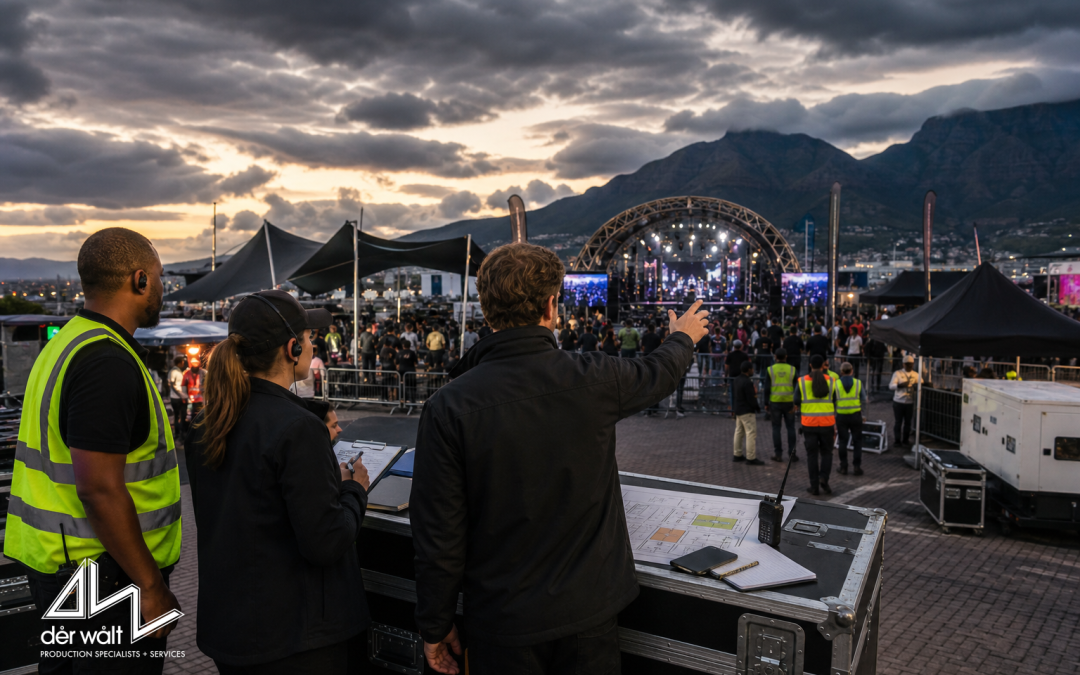
Balancing Safety, Budget and Impact in South African Outdoor Activations
Plan outdoor brand activations in SA with safety, weather resilience, local sourcing, and legal compliance in mind. This guide outlines practical steps for budgets, timelines, supplier coordination, and on-site logistics to deliver impactful experiences.
Planning with a risk-aware mindset from day one
Outdoor activations in South Africa mix opportunity with a unique set of constraints. You’re likely working across diverse locales—city precincts, shopping centres, or rural venues—where weather, access, permits, and local labour influence every decision. Establishing a risk-aware planning approach early helps protect people, reputations, and budgets. Even if you don’t pursue formal certification, applying a structured safety mindset—similar to ISO 45001 principles—will improve collaboration across brands, agencies, venues, and contractors.
Adopt a governance framework anchored in safety standards
Practical planning begins with governance. Build a simple, shared safety plan that covers roles, responsibilities, and emergency procedures. Key steps include:
- Appoint a safety lead for the project and designate alternative contacts for weekends or after-hours activity.
- Create a concise risk register that identifies the top hazards (electrical, crowd flow, weather exposure, temporary structures) and assigns mitigations.
- Develop emergency response procedures (evacuation routes, muster points, first-aid stations) and practice them with the core team.
- Implement contractor management: require safety briefings, site-specific risk assessments, and valid permits before access is granted.
- Document incident reporting and post-event debriefs to capture learnings for future activations.
Weather planning: building resilience into the schedule
South Africa’s climate is diverse, with strong seasonal and regional variations. Thunderstorms, wind, heat, and sudden showers can disrupt outdoor plans. Use weather intelligence as a design input, not an afterthought. Actions to consider:
- Consult reputable forecasts (and update daily during the run-up) to determine safe windows for load-in, rehearsals, and performances.
- Design flexible site plans with shade, misting stations, water and electrolyte availability, and shaded rest areas.
- Build weather contingencies into the run-of-show, including rain covers for equipment, wind-rated structures, and clear decision points to pause or relocate activities.
- Schedule high-energy, crowd-intensive moments during cooler parts of the day where feasible, and have a plan for indoor or sheltered alternatives in case of inclement weather.
Local procurement and supplier coordination
Procurement in South Africa benefits from local sourcing: quicker lead times, easier warranty support, and reduced logistics risk. Develop a disciplined supplier strategy:
- Pre-qualify local suppliers for safety, reliability, and regulatory compliance; request safety documentation and proof of insurance as part of the procurement package.
- Consolidate critical vendors under one point of contact to reduce communication gaps and ensure consistent safety and quality standards.
- Factor in lead times for permits, road closures, or venue-specific approvals; include buffer periods in your production timeline to absorb delays from weather or logistics.
- Negotiate clear service-level agreements (SLAs) and acceptance criteria for power, lighting, AV, and rigging to avoid scope creep on site.
Site design, permits and access
A precise site survey sets the foundation for safe, smooth execution. Focus on site layout, access routes, and regulatory requirements from the start:
- Map crowd flow, entry/exit points, and emergency routes with clear signage; ensure access for emergency services and delivery vehicles.
- Plan power distribution, generator locations, cable protection, and weatherproofing; work with licensed electricians for on-site distribution and RCD protection.
- Identify permit needs (noise, road closures, temporary structures) at municipal level and secure approvals well before load-in.
- Consider environmental impact and venue-specific rules (noise curfews, litter control, waste management) to minimize compliance risk.
Logistics: transport, access and crowd management
Logistics drive the success of any activation. In SA, transport and access considerations are especially important when venues are in high-traffic areas or require special permissions:
- Develop a transport plan that aligns staff travel, vendor deliveries, and equipment load-in with parking, ingress routes, and traffic control needs.
- Coordinate with venue operations to align loading bays, disable parking, or road closures; communicate timing windows clearly to all partners.
- Implement a crowd management plan with trained stewards, clear wayfinding, and controlled access to performance zones to protect both attendees and staff.
- Prepare a communications plan for fast information sharing among on-site teams (logistics, safety, operations, and client stakeholders).
Cost control and production timeline
Effective budgeting combines realistic cost planning with built-in contingencies. Practical steps include:
- Create a phased production timeline (concept, design, procurement, load-in, rehearsals, show, wrap) with milestone approvals from key stakeholders.
- Build in contingency allowances for weather, permit delays, and supplier lead times; clearly track how contingencies are allocated.
- Itemise cost centers (production design, power, staging, AV, safety, transport) and assign accountable owners for each line item.
- Engage local vendors early to secure favourable terms and warranty support; validate VAT treatment and invoicing requirements to avoid delays during payment cycles.
Executing safely on the day: on-site practices
Day-of execution hinges on disciplined operations and rapid decision-making. Maintain a clear, safety-first culture across all teams.
On-site safety checks and incident response
Run a pre-show safety briefing, enforce a site-wide safety scorecard, and keep incident reporting channels open. Practical on-site measures:
- Daily toolbox talks covering risks identified in the risk register and any updates from weather or venue changes.
- Visible safety signage, accessible first-aid stations, and trained responders on standby for high-risk activities (rigging, electrical work, crowd interactions).
- Structured incident reporting with a simple form, plus a short post-event debrief to capture learnings and prevent recurrence.
Operational readiness and contingency planning
Run-of-show flexibility is essential when external conditions shift. Prepare for contingencies such as delays, power interruptions, or last-minute access changes:
- Have backup power options (generator, battery backups) and a plan for rapid redistribution of power loads to critical systems.
- Designate fallback locations for performances or activations and ensure staff know how to reposition quickly and safely.
- Maintain open lines of communication with the client, venue, and contractors to coordinate timing changes with minimal disruption to the guest experience.
Post-event learnings and knowledge capture
After-action reviews are as important as the live event. Collect quantitative and qualitative data—attendance, dwell times, objective completion, safety incidents, vendor performance—and compile a concise debrief document. This is where you transform a one-off activation into a repeatable, smarter process for future SA productions.
Sources
- Event Safety Guide — UK Health and Safety Executive
- ISO 45001: Occupational health and safety management systems — International Organization for Standardization
- South African Weather Service — South African Government
- IAVM: International Association of Venue Managers — IAVM
Ready to plan safer, high-impact activations?
Contact DERWALT to discuss experiential marketing, activation or event-production support. Our team can help with end-to-end planning, site surveys, production management, and on-site safety for South African brands and agencies.
Recent Comments