Weather-Smart Planning for Outdoor Activations in South Africa
Planning an outdoor activation in South Africa demands a weather-aware, risk-conscious approach. This practical playbook covers risk assessment, power resilience, permits, procurement, and safety to help brands deliver memorable, compliant experiences.
Why a weather-aware plan is essential for SA activations
Outdoor activations carry inherent risks, especially in South Africa’s diverse climate. From sudden summer storms along the coast to gusty winds in inland venues, a failure to anticipate weather and safety needs can derail production, compromise guest experience, and affect budgets. A structured approach to risk, weather readiness and local logistics minimizes surprises and keeps your activation on track—without sacrificing impact.
H2 pragmatic playbook for SA event planning
1. Start with a robust risk assessment
Use a structured risk framework that aligns with international best practice, such as ISO 31000 for risk management, and pair it with occupational safety principles (ISO 45001). Begin during the concept phase and refresh as plans evolve. Identify top risks: weather exposure, power reliability, crowd management, transport access, and venue-specific constraints. Document control measures, assign ownership, and build a dynamic risk register that can be updated as the project matures. Practical reminder: risk assessment is a live document; its value comes from ongoing vigilance as supplier quotes, permits, and schedules shift.
2. Weather planning: leverage SAWS data and contingency design
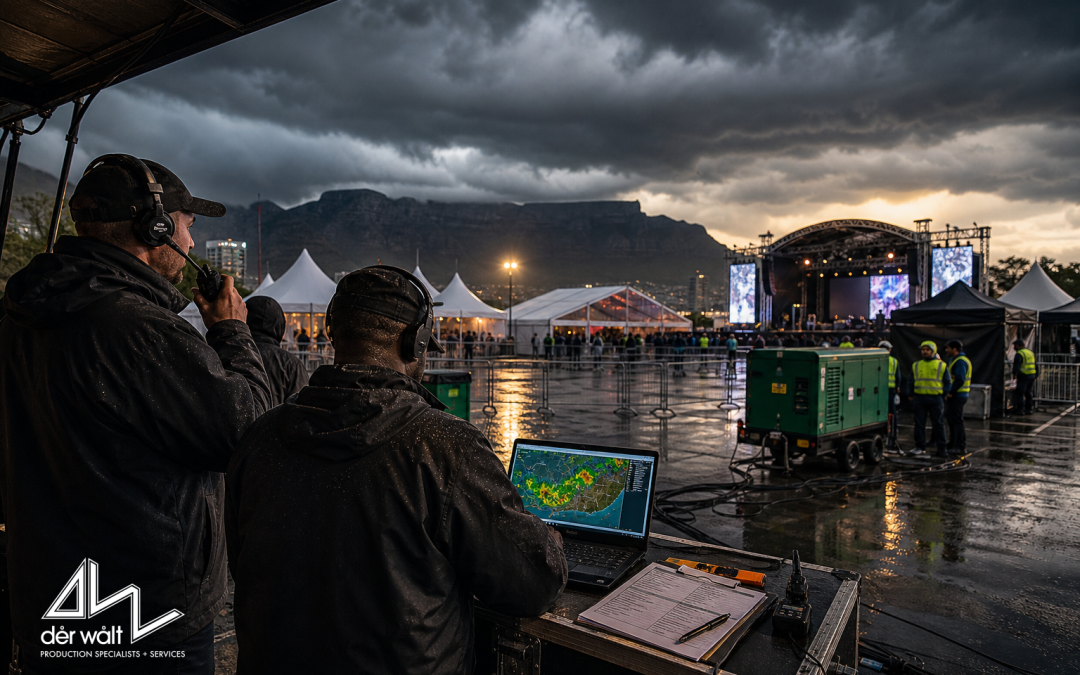
Weather is a primary disruptor for outdoor events in SA. Engage early with the South African Weather Service (SAWS) to monitor forecasts and alerts, especially during seasonal storms. Build weather contingencies into your design: resilient structures (wind-rated tents, robust staging), shelter for staff and guests, and rapid weather-change protocols. Consider how changes in wind, lightning risk, or sustained rain affect electrical safety, sound and lighting load, and audience comfort. A practical approach is to pre-plan alternate spaces and a clear decision tree for postponement or relocation, with predefined cut-off times for decision-making communicated to all stakeholders.
3. Power and energy resilience in SA
Unreliable grid power and load-shedding are realities in many SA locales. Plan for dependable power with a mix of primary supply and backup generation. Size generators with headroom for peak loads, and place them away from audience spaces, with proper ventilation and CO monitoring where combustion engines are used. Prioritize electrical safety, certified electricians, and adherence to local electrical standards. Ensure you have surge protection, cable management plans, and clearly marked emergency shut-offs. If possible, negotiate grid-secure power for critical moments (e.g., main stage performances, live feeds) to minimize interruptions.
4. Venue, access, permits and local logistics
Public spaces and private venues across SA require careful permitting, traffic management, and noise control. Engage with the relevant local authority early (city or metro) to confirm permit requirements, compliant noise limits, and road/parking constraints. Build a transport and access plan that minimizes last‑minute chokepoints: staggered load-in windows, off-peak deliveries where possible, and clear wayfinding for crews and talent. In major cities such as Cape Town, Johannesburg, and Durban, permit timelines can be lengthy; factor these into procurement and schedule buffers to avoid last-minute scrambles.
5. Local procurement, supplier management and BBBEE considerations
Where possible, source equipment and services from reputable South African suppliers to reduce logistics risk and support the local economy. Early supplier outreach yields more accurate lead times for AV gear, tents, staging, and consumables. Build a supplier risk plan: verify insurance, and check references and certifications. For procurement, align with your client’s procurement policies, including any BBBEE requirements, to streamline approvals and payments. Establish clear SLAs for delivery windows, setup times, and contingency options if a vendor is delayed by weather or transport disruptions.
6. Safety, security and crowd management
Outdoor activations require comprehensive safety planning. Establish medical stations with trained first aid personnel, basic triage facilities, and clear accessibility routes. Assign security personnel aligned with risk level, including crowd management, perimeter control, and emergency evacuation procedures. Ensure a communications plan that reaches staff, volunteers, and performers rapidly during an incident. In South Africa, heightened security awareness and local context are essential; incorporate venue-specific risk factors such as public access points and nearby transport routes into your safety briefings.
7. Labour, compliance and staffing
Plan staffing timelines that respect local labour laws and union guidelines where applicable. Outline responsibilities for production, operations, and safety teams. Include contingencies for weather-driven shifts (early call times or extended on-site hours) and ensure onboarding materials cover safety procedures and site-specific policies. In South Africa, accurate rosters and clear, compliant contracts help reduce disputes and keep crews motivated during the intensity of production weeks.
8. Budgeting for contingency and risk
Outdoor activations inherently carry unpredictable costs. Build a dedicated contingency line, commonly 10–20% of the live event budget, to cover weather-related changes, last-minute equipment hires, or staffing fluctuations. Document how contingency funds will be used (e.g., weather-related sheltering costs, alternate venue fees, additional safety staffing). Transparent budgeting improves client confidence and ensures you can respond decisively when conditions require changes in plan.
9. Production timeline and practical checklists
Develop a milestone-based production timeline spanning roughly 4–8 weeks for mid-size activations, and longer for large-scale programs. Key milestones include: site survey and permits, supplier procurement and lead times, power and AV system design, weather contingency validation, security and crowd plans, rehearsal windows, and final walk-throughs. Create weekly checklists that align with the timeline, and assign owners for each task. In practice, a simple 4-week ramp-up might look like: week 1, confirm site and permits; week 2, lock vendors and power; week 3, safety and crowd plans; week 4, on-site rehearsal and final checks. Adapt the cadence to your project size, but keep accountability fixed with named owners and published decision points.
Practical tips: distinguishing guidance from verifiable requirements
The guidance above merges practical, field-tested practices with standards you can verify independently. For example, risk-management approaches (ISO 31000) and health-and-safety management (ISO 45001) provide a framework for structuring your process. Weather planning leverages SAWS data for real-world decision-making. Permitting and local logistics are reality-based considerations that vary by city and venue; always confirm current requirements through the relevant municipal or venue channels. The aim is to create a repeatable framework you can customize to your project’s scale and location.
DERWALT in the SA activations landscape
DERWALT specializes in end-to-end experiential marketing, brand activations, and event production, with capabilities in technical planning, stage and show production, logistics, and supplier coordination. While this article outlines a practical approach, the exact plan should reflect your brand’s objectives, venue realities, and budget. A strong partner can tailor risk and weather readiness into your creative concept, ensuring a compelling experience that remains compliant and safe acrossSouth Africa’s dynamic venues.
Sources
- ISO 45001:2018 Occupational Health and Safety Management Systems — International Organization for Standardization
- IAVM — International Association of Venue Managers
- Event Safety Alliance — Safety guidelines for event planning
- South African Weather Service — Weather planning and warnings
Ready to plan your activation with DERWALT
Discuss your next experiential marketing, activation, or event-production project with DERWALT. We’ll tailor a weather-aware, risk-conscious plan that fits your budget and timeline, delivering a memorable, safe, and compliant experience for your audience.
Recent Comments