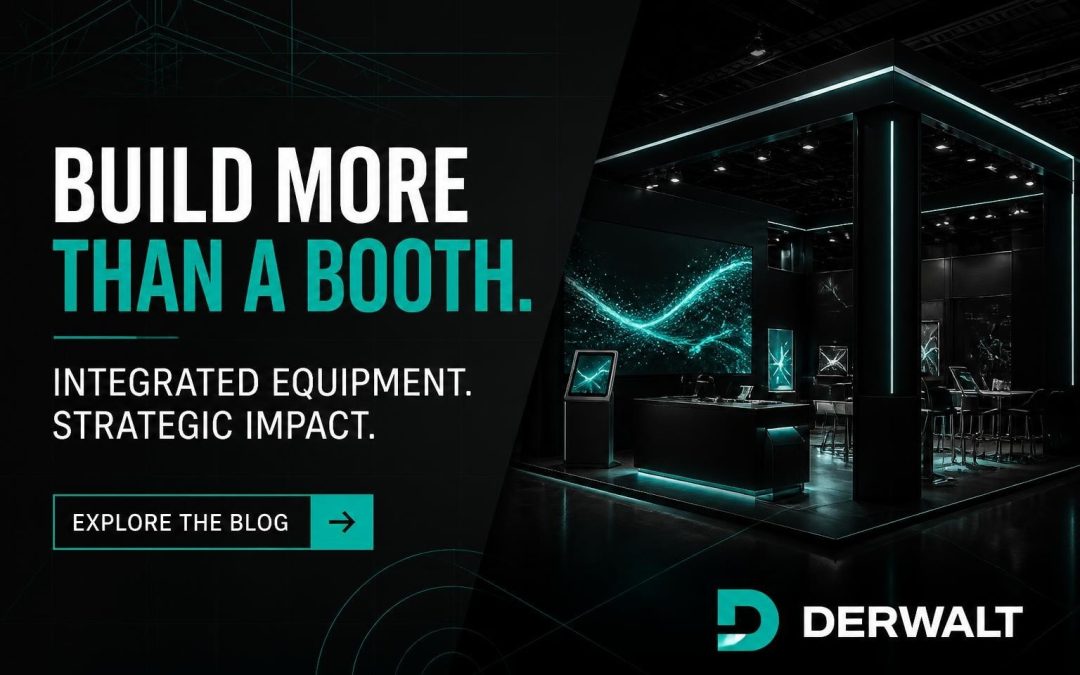
Trade show equipment represents a critical investment in your brand's physical presence and competitive positioning. Beyond aesthetic considerations, the right equipment configuration drives engagement metrics, operational efficiency, and measurable return on investment. In 2026, exhibitors face increasingly sophisticated attendee expectations alongside tightening budgets, making strategic equipment selection a cornerstone of production intelligence. Understanding the technical specifications, logistical requirements, and integration capabilities of your trade show equipment directly impacts activation success and brand perception in crowded exhibition environments.
Strategic Equipment Categories for Brand Activation
Trade show equipment encompasses multiple integrated systems that work together to create cohesive brand experiences. Structural components form the foundation, including modular booth frameworks, custom-built stands, and tension fabric systems. Audio-visual technology drives engagement through LED walls, projection mapping equipment, touchscreen displays, and immersive sound systems. Lighting infrastructure shapes mood and visibility using intelligent fixtures, accent lighting, and color-changing systems. Furniture and fixtures provide functional brand touchpoints through custom counters, seating arrangements, product display units, and storage solutions.
Booth Structure Systems
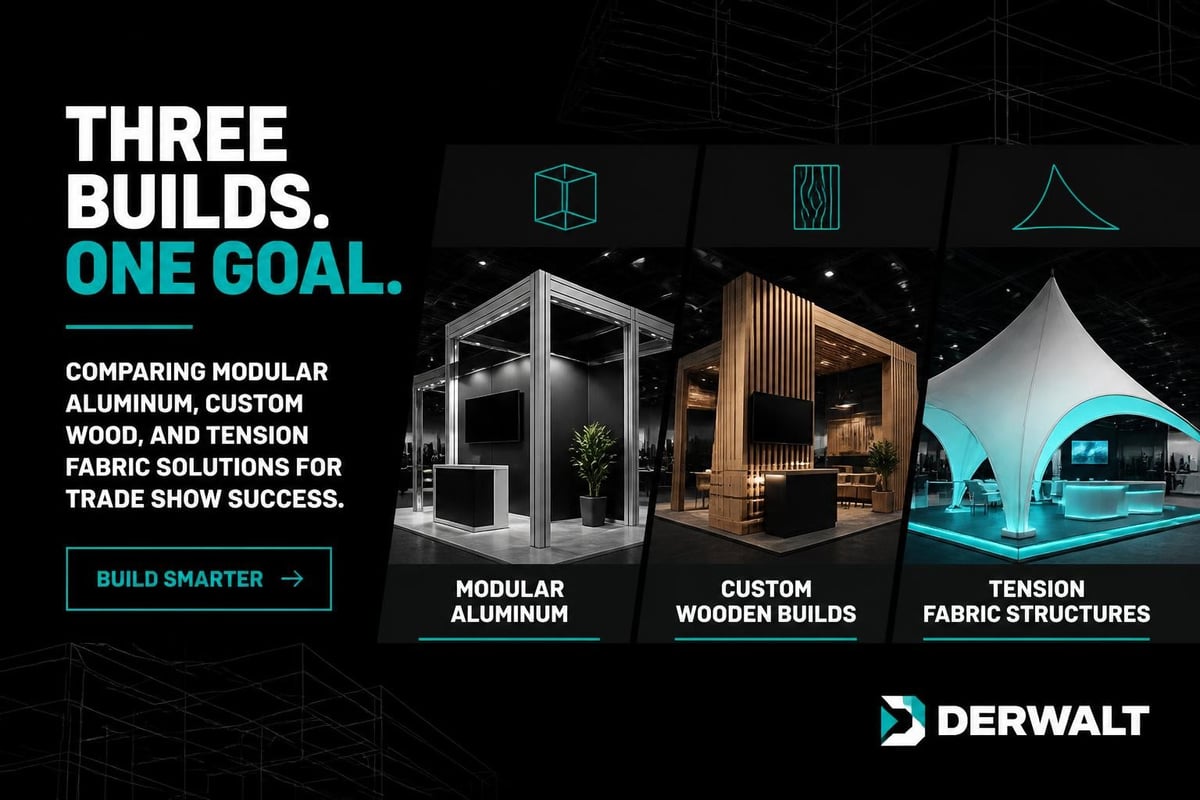
Modular aluminum framing systems deliver versatility and cost efficiency across multiple activations. These configurations allow rapid assembly, reduced shipping volumes, and adaptable layouts that respond to different venue specifications. Custom-built wooden structures provide premium aesthetics and unique brand differentiation but require increased budget allocation and longer lead times. Tension fabric systems combine lightweight portability with large-format graphics, creating visual impact while minimizing logistics costs.
The selection between permanent, semi-permanent, and temporary structures depends on activation frequency, budget constraints, and brand positioning requirements. Permanent installations justify higher capital expenditure for organizations executing 8-12 shows annually. Rental configurations reduce upfront costs while providing equipment flexibility, though they limit brand consistency across events.
Audio-Visual Technology Integration
Audio-visual equipment transforms static displays into interactive brand experiences. LED wall technology has evolved beyond simple video playback to include high-resolution micro-LED displays, transparent screens, and curved configurations that create immersive environments. Pixel pitch specifications directly impact viewing distance requirements, with 2.5mm pitches suitable for close interaction and 4-6mm pitches optimized for larger booth footprints.
Interactive touchscreens enable data collection, product configuration, and gamified engagement that extends beyond passive viewing. Multi-user touch tables facilitate collaborative experiences while capturing behavioral analytics. Projection mapping systems utilize venue architecture and custom-built surfaces to create dimensional storytelling that distinguishes your activation from competitors.
| Equipment Type | Investment Range | Engagement Impact | Technical Complexity |
|---|---|---|---|
| LED Walls (3x2m) | High | Very High | Medium-High |
| Interactive Touchscreens | Medium | High | Medium |
| Projection Systems | Medium-High | High | High |
| Digital Signage | Low-Medium | Medium | Low |
Sound system design requires careful acoustic analysis to balance impact with venue regulations. Directional speakers concentrate audio within your booth footprint, preventing sound bleed that irritates neighboring exhibitors while maintaining clear message delivery. Wireless headphone systems offer personalized audio experiences for product demonstrations without contributing to ambient noise levels.
Understanding common audiovisual mistakes helps exhibitors avoid technical failures that damage brand credibility. Power requirements, signal distribution, internet connectivity, and backup systems demand detailed technical planning during the pre-production phase.
Lighting Design and Technical Specifications
Professional lighting equipment creates atmosphere, directs attention, and reinforces brand identity through color psychology and intensity control. LED fixtures dominate 2026 specifications due to reduced power consumption, minimal heat generation, and programmable RGB capabilities. Moving head lights add dynamic elements that attract attention across crowded exhibition halls, though they require skilled programming and operation.
Track lighting systems provide flexible product illumination that adapts to different display configurations. Accent lighting highlights specific brand elements, creating visual hierarchy that guides attendee focus. Ambient lighting establishes overall mood while ensuring sufficient visibility for engagement and safety compliance.
- Intelligent fixtures with DMX control enable programmed lighting sequences synchronized to content
- Battery-powered uplights eliminate power distribution challenges in restricted venues
- UV-reactive materials combined with blacklight create distinctive after-hours activation opportunities
- Color temperature selection influences perceived product quality and brand warmth
Power infrastructure planning prevents circuit overload and enables redundancy for critical systems. Understanding venue power specifications, distribution methods, and cost structures during the planning phase eliminates expensive last-minute solutions and technical compromises.
Furniture Selection and Functional Design
Trade show furniture balances brand aesthetics with operational functionality. Reception counters serve as primary interaction points, requiring appropriate height for standing conversations, secure storage for valuable materials, and integrated technology mounting. Product display fixtures must support weight loads while providing stability in high-traffic environments.
Seating configurations influence dwell time and conversation quality. High-top tables encourage brief interactions suitable for lead qualification, while lounge seating creates environments for detailed discussions and relationship building. Branded furniture elements extend visual identity beyond graphics, though they increase logistics costs and storage requirements.
Modular furniture systems provide configuration flexibility across different booth sizes and layouts. Quick-connect components reduce installation time and labor costs while maintaining professional appearance. Material selection impacts weight, durability, and perceived quality, with powder-coated steel offering superior longevity compared to wrapped particle board alternatives.
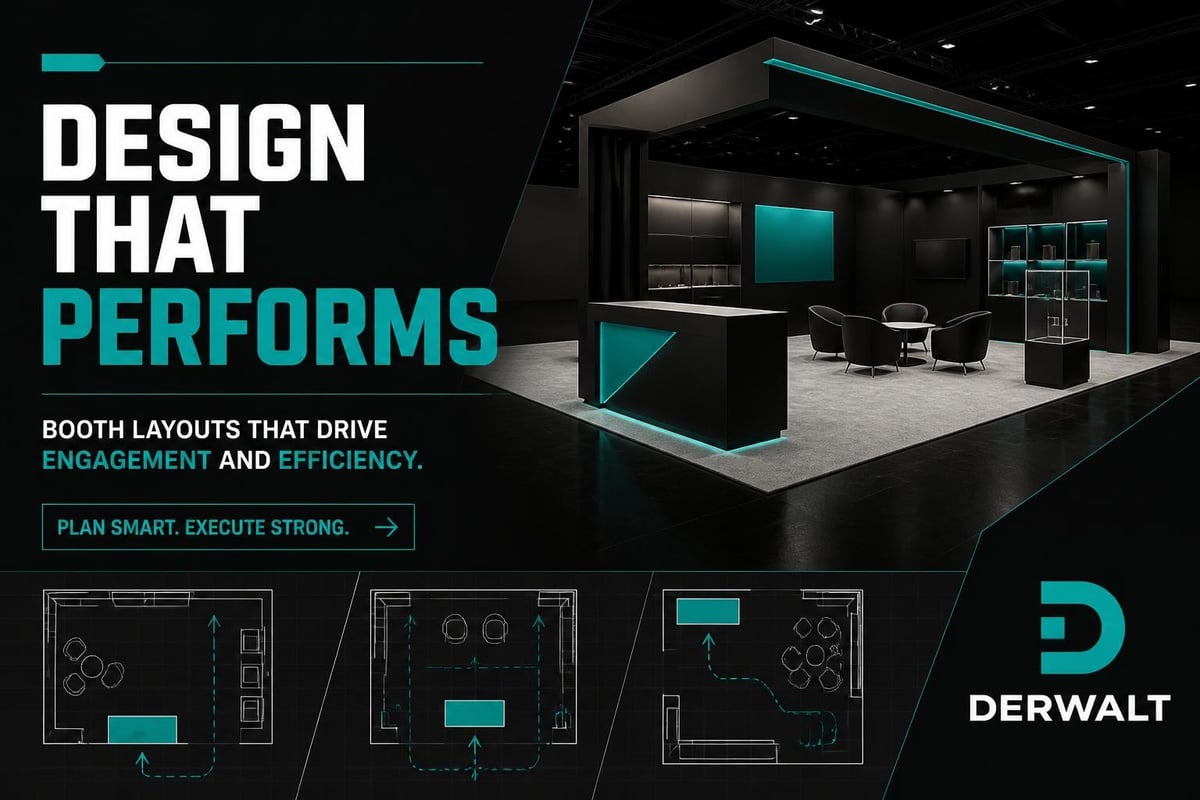
Storage solutions built into furniture design maintain clean aesthetics while providing secure locations for personal belongings, product inventory, and promotional materials. Lockable cabinets protect valuable equipment during non-show hours, reducing security concerns and insurance requirements.
Graphics Production and Installation Systems
Large-format graphics communicate brand messaging and create visual impact from across exhibition halls. Dye-sublimation fabric graphics offer wrinkle-resistant performance, lightweight shipping, and washable maintenance. Direct-print rigid substrates provide superior image quality and dimensional stability but increase transportation costs and damage risk.
Tension fabric systems utilize silicone-edge graphics (SEG) that slide into aluminum framing channels, creating seamless displays without visible hardware. These systems allow graphics changes without framework replacement, extending equipment lifecycle value. Modular graphic panels enable message customization across different events while maintaining consistent structural investment.
Backlit graphics require specialized translucent materials and appropriate lighting equipment to achieve even illumination without hotspots. LED light boxes provide energy-efficient backlighting with adjustable intensity control. Print resolution specifications must account for viewing distances, with 300dpi unnecessary for graphics viewed beyond two meters.
Graphics installation methods impact setup efficiency and labor costs. Tool-free systems reduce reliance on specialized installers, though they may compromise structural rigidity. Magnetic mounting systems enable rapid graphics changes for multi-day events featuring different messaging themes.
Technology Infrastructure and Connectivity
Digital engagement tools require robust infrastructure planning. Internet connectivity specifications must account for simultaneous device connections, bandwidth-intensive applications, and backup redundancy. Shared venue WiFi rarely provides sufficient performance for business-critical applications, making dedicated connections a strategic investment for premium activations.
Power distribution planning prevents technical failures and enables equipment redundancy. Understanding amperage requirements, voltage specifications, and circuit allocation ensures all systems operate simultaneously without overload. Uninterruptible power supplies (UPS) protect sensitive equipment from power fluctuations and enable graceful shutdown during outages.
- Calculate total power draw including peak simultaneous usage
- Add 25% capacity buffer for equipment redundancy
- Map circuit distribution to minimize extension cord runs
- Specify dedicated circuits for mission-critical systems
- Include labeled circuit documentation for troubleshooting
Cable management systems maintain professional aesthetics while ensuring safety compliance. Concealed pathways prevent trip hazards and protect cables from damage in high-traffic zones. Color-coded cables simplify troubleshooting and reduce technical setup time.
Device charging stations create attendee value while extending booth dwell time. Branded charging kiosks with data-blocking technology address security concerns while providing utility. Lead capture systems integrated with charging stations enable permission-based data collection tied to tangible attendee benefits.
Sustainability and Equipment Lifecycle Management
Sustainable trade show equipment addresses environmental responsibility while reducing long-term operational costs. Reusable structural systems minimize waste compared to single-use builds. Recyclable materials including aluminum framing, fabric graphics, and cardboard alternatives demonstrate environmental commitment increasingly valued by attendees and stakeholders.
LED lighting technology reduces energy consumption by 75% compared to halogen alternatives, lowering operating costs and venue power fees. Rechargeable battery systems for portable equipment eliminate disposable battery waste while improving operational reliability.
| Sustainability Factor | Traditional Approach | Optimized Strategy | Impact |
|---|---|---|---|
| Booth Structure | Single-use builds | Modular reusable systems | 70% waste reduction |
| Graphics | Vinyl disposal | Fabric recyclable graphics | 85% material recovery |
| Lighting | Halogen fixtures | LED technology | 75% energy savings |
| Shipping | Individual components | Consolidated packaging | 40% logistics reduction |
Equipment lifecycle planning extends value beyond single events. Maintenance schedules, repair protocols, and storage conditions preserve equipment condition and protect capital investment. Component standardization simplifies replacement procurement and reduces inventory complexity.
Tracking equipment utilization across multiple activations informs replacement timing and configuration optimization. Digital asset management systems document equipment specifications, maintenance history, and performance data that supports strategic planning decisions.
Installation Planning and Technical Execution
Professional installation transforms equipment into cohesive brand experiences. Pre-event technical drawings document equipment placement, power requirements, rigging points, and clearance specifications that prevent on-site conflicts. Detailed installation schedules coordinate multiple vendor activities, minimizing delays and labor inefficiencies.
Tool lists and hardware specifications ensure installation teams arrive fully equipped, eliminating time-consuming procurement runs. Weight calculations and structural engineering documentation satisfy venue safety requirements for suspended elements and elevated platforms. Best practices for trade show displays emphasize advance planning that prevents common installation challenges.
Venue regulations significantly impact equipment selection and configuration. Height restrictions, floor loading limits, hanging point availability, and noise ordinances require thorough venue specifications review during planning phases. Union labor requirements in certain venues influence setup timing and cost structures.
Installation supervision ensures equipment deployment matches design intent and technical specifications. Quality control checkpoints verify system functionality, safety compliance, and aesthetic standards before public access. Documented punch lists track completion status and assign responsibility for outstanding items.
Emerging Equipment Trends and Innovation
The 2025 trade show display landscape emphasizes immersive technology integration and data-driven personalization. Augmented reality systems enable virtual product demonstrations that transcend physical space limitations. Mixed reality headsets create private brand experiences within crowded exhibition environments, though they require attendee comfort with wearable technology.
Artificial intelligence integration powers personalized content delivery based on attendee behavior and declared preferences. Facial recognition systems customize display content, though they raise privacy considerations requiring transparent data policies. Biometric sensors measure engagement intensity, providing analytics that inform future activation strategies.
Holographic displays create attention-grabbing visual effects without requiring specialized viewing equipment. Transparent OLED screens enable layered information presentation while maintaining visual connection to physical products. Kinetic installations featuring motorized elements add movement that attracts attention across exhibition halls.
Voice-activated systems enable hands-free interaction suitable for product demonstrations and information access. Natural language processing provides conversational interfaces that feel more engaging than traditional touchscreen navigation. Integration challenges and ambient noise levels require careful technical planning for successful deployment.
Modern trade show equipment technology stack showing AI personalization engines, AR/VR systems, data analytics platforms, and content management systems connecting to create unified brand experiences
Risk Mitigation and Contingency Planning
Equipment redundancy protects against technical failures that compromise brand experiences. Backup display systems, spare connectivity devices, and redundant power distribution prevent single points of failure. The cost of redundant equipment represents insurance against reputational damage and lost opportunity costs from non-functional activations.
Insurance specifications must adequately cover equipment value, liability exposure, and business interruption scenarios. Documentation including serial numbers, purchase receipts, and condition photographs supports claims processing. Transit insurance covers equipment damage during shipping, a significant risk factor for valuable audio-visual technology.
Vendor reliability directly impacts activation success. Evaluating supplier track records, reviewing client testimonials, and verifying technical capabilities reduces execution risk. Contractual terms should specify equipment specifications, delivery timing, installation responsibilities, and performance guarantees.
Weather contingency plans protect outdoor activations from environmental damage. Covered storage, weatherproof enclosures, and rapid teardown protocols minimize equipment exposure. Climate-controlled transportation prevents condensation damage to sensitive electronics during temperature transitions.
When planning comprehensive brand activations, DERWALT’s production intelligence approach ensures trade show equipment selection aligns with strategic objectives while maintaining budget control and risk mitigation. Their 360º production methodology integrates technical planning with creative execution, delivering measurable outcomes and client confidence.
Budget Optimization and Investment Strategy
Trade show equipment represents significant capital allocation requiring strategic financial planning. Ownership versus rental analysis compares long-term costs, flexibility requirements, and activation frequency. Equipment ownership typically becomes cost-effective after 4-6 deployments, though this threshold varies based on configuration complexity and maintenance requirements.
Phased investment strategies spread capital expenditure across multiple budget cycles while building comprehensive equipment inventories. Priority ranking identifies critical equipment delivering maximum engagement impact versus nice-to-have elements that can wait for future budget availability. Modular acquisition enables immediate deployment of core systems while planning expansions.
- Calculate total cost of ownership including maintenance, storage, transportation, and insurance
- Model rental costs across projected activation frequency to identify breakeven points
- Factor equipment depreciation and technological obsolescence into replacement planning
- Allocate contingency budgets for unexpected repairs and last-minute additions
Vendor negotiations leverage volume commitments, off-season timing, and multi-year partnerships to secure favorable pricing. Equipment packages bundling structural, graphics, and technology components often deliver better value than piecemeal procurement. Early booking during supplier slow periods provides negotiating leverage and ensures equipment availability during peak trade show seasons.
Financing options including equipment leasing, payment plans, and deferred billing structures improve cash flow management for capital-intensive activations. Tax considerations related to equipment depreciation and operational expense classification require consultation with financial advisors to optimize accounting treatment.
Performance Measurement and Optimization
Trade show equipment performance measurement extends beyond aesthetic judgment to quantifiable metrics. Engagement analytics from interactive displays document touch events, session duration, and content preferences. Traffic pattern analysis using overhead cameras or floor sensors identifies high-value zones and underutilized booth areas.
Lead capture data correlates equipment features with qualified prospect generation. A/B testing different configurations across similar events isolates variables driving superior outcomes. Attendee feedback collected through post-event surveys provides qualitative insights complementing quantitative analytics.
Equipment reliability tracking documents technical failures, repair requirements, and performance degradation over time. This data informs maintenance scheduling, replacement planning, and vendor performance evaluation. Standardized reporting formats enable comparison across multiple activations and equipment categories.
Return on investment calculations compare equipment costs against generated business value through attributed revenue, pipeline development, and brand awareness metrics. Technical planning expertise ensures measurement systems capture relevant data without compromising attendee experience or operational efficiency.
Continuous improvement processes apply learnings from each activation to subsequent equipment selections and configurations. Documentation of what worked well, what underperformed, and what should change creates institutional knowledge that compounds over multiple events. Cross-functional debriefs involving sales, marketing, and operations teams capture diverse perspectives on equipment effectiveness.
Integration with Overall Production Strategy
Trade show equipment functions as one component within comprehensive activation strategies. Strategic event production integrates equipment selection with creative messaging, audience targeting, and business objectives. Isolated equipment decisions lacking strategic context rarely deliver optimal outcomes despite impressive technical specifications.
Brand consistency across multiple touchpoints requires coordinated equipment specifications, graphic treatments, and experiential elements. Color calibration ensures LED displays, printed graphics, and lighting systems present unified brand colors. Message hierarchy established in creative briefs translates into equipment placement and sizing decisions that guide attendee attention.
Pre-show marketing, on-floor experiences, and post-show follow-up create continuous engagement journeys where trade show equipment plays a critical but not exclusive role. Equipment capabilities should enable planned interactions rather than dictating experience design through technical limitations. Flexible configurations adapt to evolving strategies without requiring complete equipment replacement.
Supplier coordination ensures audio-visual providers, booth builders, graphics producers, and logistics partners work from unified technical specifications. Conflicting equipment standards create integration challenges that compromise activation quality. Central production management maintains specification control and resolves vendor conflicts.
Strategic trade show equipment selection directly impacts brand perception, engagement quality, and activation ROI. Success requires balancing technical capabilities, budget realities, and strategic objectives through comprehensive production planning. DERWALT delivers production intelligence that bridges creative vision with flawless technical execution, ensuring your trade show equipment investments generate measurable business outcomes and competitive differentiation across South African markets and beyond.
Recent Comments