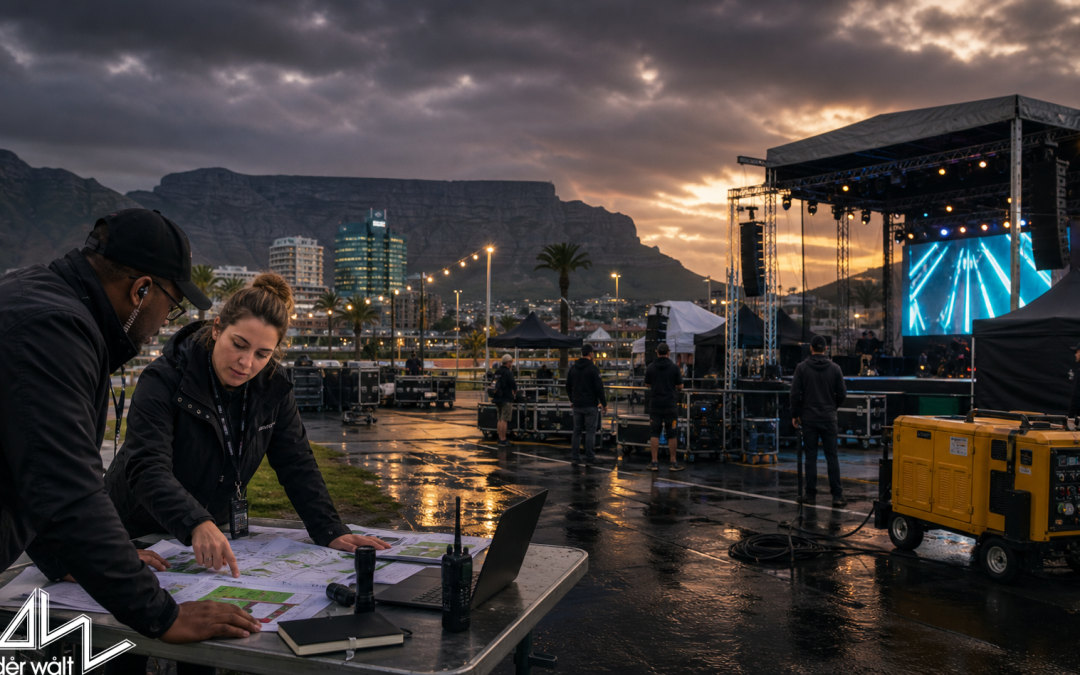
Practical Outdoor Experiential Activations: Planning in South Africa
Outdoor brand activations in SA demand meticulous, SA-informed planning across weather, safety, logistics and budgets. This guide provides actionable steps for brands, agencies, venues and production teams to reduce risk and deliver memorable experiences.
Outdoor experiential activations offer brands a direct way to engage audiences, but South Africa’s diverse climates, urban realities and regulatory landscape require careful, proactive planning. From unpredictable weather and load-shedding to permitting, transport logistics and local labour considerations, a well-structured plan minimizes risk and drives a smoother production timeline. The guidance below blends practical, on-the-ground advice with internationally recognised standards and SA context, helping decision-makers align procurement, production schedules and safety processes.
Plan with weather, terrain and transport in mind
South Africa’s weather can swing dramatically across regions and seasons. Coastal cities may experience high humidity and sudden showers, while inland venues can face intense sun and afternoon wind. Start with a location assessment that factors ground conditions, drainage, shade, wind corridors and accessibility. Leverage real-time data from reliable sources to inform contingencies and schedule buffers.
Location selection and terrain
Choose venues that offer built-in shelter or easy access to covered spaces if you’re planning a daytime event in hot weather. On non-permanent sites, ensure the surface is suitable for heavy equipment and safe for foot traffic. Have a fallback plan to relocate or reschedule if terrain or access becomes compromised—particularly in urban centres with limited hard-standing areas or temporary road closures.
Weather contingency planning
Forecasts should drive your contingency framework. Build a layered plan that includes: (a) shade and misting options for heat, (b) waterproofing for tents and canopies, (c) wind-rated structures and secure anchoring, and (d) a communication protocol for weather-related changes. The South African Weather Service (SAWS) is a trusted local resource for forecasts and severe weather alerts you can integrate into daily planning and on-site decision-making.
Compliance, permits and safety planning
Compliance frameworks help you manage risk, protect attendees and ensure smooth operations. In SA, many activations require coordination with municipalities, venue management and safety regulators. Build a safety-first culture by mapping regulatory requirements early in the planning process and documenting how you meet them.
Permits and approvals
Identify permits early—these may include venue-use permissions, noise regulations, temporary structures, street closures or road permissions for street activations. Create a single owner within your team responsible for tracking approvals, dependencies and expiries. Timelines for approvals vary by municipality, so factor this into your procurement schedule to avoid last-minute bottlenecks.
Emergency planning and medical support
Prepare an on-site medical plan with defined response roles, first-aid facilities, and clear communication channels to emergency services. Outline evacuation routes, muster points and accessibility considerations for guests, staff and performers. Establish a dedicated safety manager on the day to coordinate incidents, communications and supplier compliance.
Power, AV and staging: practical SA supplier considerations
Power reliability is a critical risk factor, particularly in South Africa where load-shedding can disrupt production schedules. Your plan should specify power requirements, backup options and fuel logistics. Security and safety around temporary electrical installations are non-negotiable, especially for audience-facing activations, high-intensity lighting, and audio systems.
Power strategy
Adopt a layered power approach: main supply from the venue, on-site back-up generators for critical systems, and portable power banks for essential services. Pre-test all gear under load and ensure compliance with local electrical standards and wet-weather protection. Schedule refueling, maintenance and on-site staff to monitor generator health during the event.
Audio-visual and staging
Source locally where possible to reduce transport times and support local suppliers. Plan stage dimensions, rigging points and perimeter safety in line with audience flow and sightlines. Build in redundancy for key AV components, and prepare a robust on-site technician rotation to manage peak demand periods and potential weather impacts.
Water, sanitation and waste
Outdoor events will benefit from clearly marked sanitation facilities and an effective waste-management plan. Ensure accessibility for guests with disabilities and maintain compliance with local health and safety guidelines. Have a clean-up crew and waste separation process ready for post-event processing.
Accessibility, transport and crowd management
Traffic, parking and crowd flows can make or break the attendee experience. Plan access routes to minimize congestion and maximize safety, with clearly signposted entrances, exits and viewing areas. Consider public transport options and partner with local transport providers to offer shuttle services where feasible. For venues with limited parking, coordinate with the local authority or venue management to secure temporary parking and controlled pedestrian routes.
Access control and parking
Define entry points, ticketing checks, guest flows and queue management. A well-structured access control plan reduces bottlenecks and enhances safety. Ensure compliant barriers and crowd-control staff are briefed on emergency procedures and communication protocols.
Public transport and shuttle services
Partner with reputable local transport operators to reduce on-site traffic and improve guest convenience. Provide clear, updated transport information in the lead-up to the event and on-site signage. Consider accessibility needs for guests with mobility challenges and ensure transport options cater to diverse needs.
Budgeting, procurement and project timeline
A practical activation plan recognises budget realities and procurement cycles. Build a budget that separates fixed costs (venue, permits, core production), variable costs (permits, contingency, guest services) and contingency (minimum 10–20%). In SA, ensure procurement processes align with supplier diversity goals and local supplier development programs where applicable.
Budget categories
Include venue costs, power and back-up systems, staging and AV, safety and medical services, insurance, staffing, transport, permits, marketing and on-site consumables. Build contingencies for weather-related shifts and potential schedule changes. Document assumptions and update budgets as supplier quotes come in.
Procurement process and supplier onboarding
Engage reputable SA-based suppliers early. Establish clear scope of work, lead times, delivery windows and acceptance criteria. Create a single point of contact for each supplier and maintain a shared project calendar to avoid misalignment across teams and shifts.
Timeline and milestones
Develop a production timeline that aligns with fabrication and load-in windows, permitting deadlines and arrival times for performers, crew and equipment. Build in buffer days for weather delays, technical rehearsals and contingency rehearsals. Communicate milestones to all stakeholders, including venue management and regulatory bodies, to avoid miscommunication and late changes.
Risk management and documentation
Adopt an explicit risk management approach, drawing on internationally recognised frameworks to structure your planning and on-site decision-making. A formal risk register helps you track hazards, likelihood, potential impact, owner, controls and residual risk. ISO 20121 guidance on event sustainability and ISO 31000 risk management provide a structured approach to identifying and mitigating risks across the event lifecycle.
Practically, build a simple risk matrix and regularly review it with your core team. Common on-site risks include weather disruption, power failure, crowd surges, vendor delays and transport bottlenecks. By assigning owners and pre-defining mitigations, you reduce the chance of reactive scrambling on the day.
Sources
- ISO 20121: Event sustainability management systems — International Organization for Standardization
- South African Weather Service — South African Weather Service
- ISO 31000: Risk management — International Organization for Standardization
- International Association of Venue Managers — IAVM
Ready to bring your activation to life with precision and SA-local know-how?
Reach out to DERWALT to discuss end-to-end experiential marketing, activation or event production support tailored to South Africa’s unique landscape. Our team can help with strategy, production management, logistics, safety planning and on-site execution.
Recent Comments