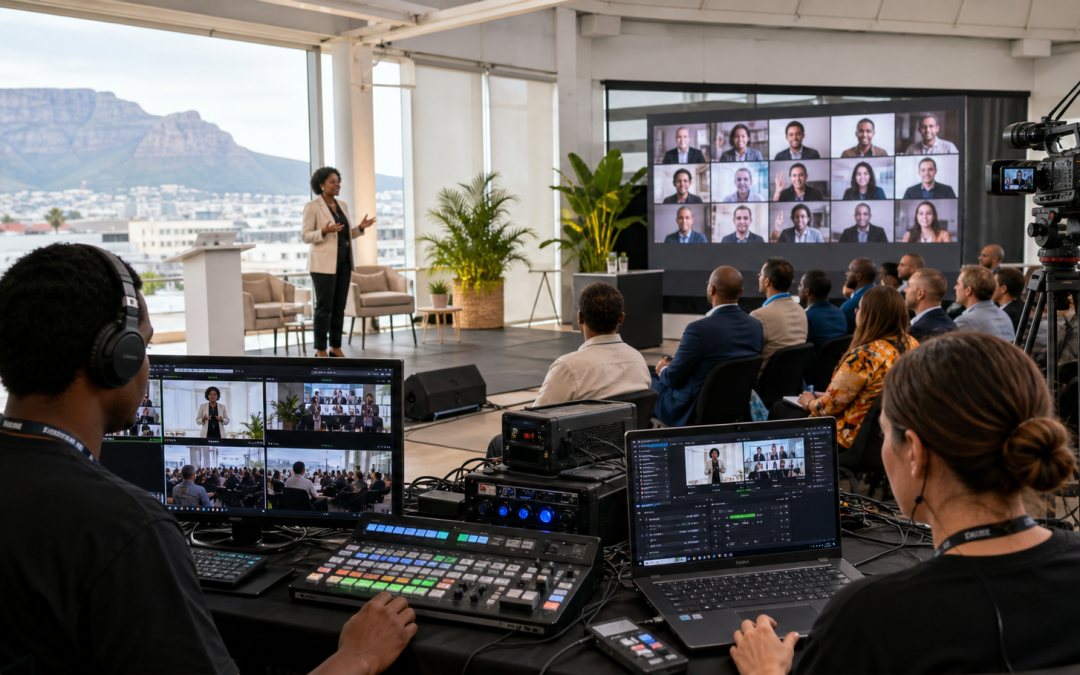
Planning Resilient Hybrid Events in South Africa: Practical Budgeting and Safety
From local procurement and labour considerations to weather contingency and safety compliance, this guide shows brands, agencies and venues how to plan cost-efficient hybrid events in South Africa that engage audiences while protecting people and budgets.
Why hybrid events in South Africa demand resilient planning
Hybrid events—combining live audiences with remote participation—offer powerful reach for brands and experiences. In South Africa, they also introduce unique challenges: load-shedding and power reliability, variable transport networks, diverse venue infrastructure, and a labour market with wide regional differences. A resilient plan anticipates these realities rather than reacting to them after milestones slip. It starts with clear objectives for both in-person and virtual audiences, then maps how each decision affects procurement, production timelines, safety, and cost. The goal is to deliver a seamless experience, no matter what happens off stage or off screen.
Local procurement and supply chain resilience
SA’s event ecosystem benefits from strong local capacity, particularly smaller, diverse suppliers. Engaging local SMMEs and BBBEE-compliant vendors can improve lead times, reduce transport risk and support community businesses. Build a supplier roster early, request concrete lead times for key components (power, AV, streaming, staging, décor, catering), and establish payment terms that improve cash flow for smaller partners. Create contingency options with alternate suppliers for critical items like power generators, lighting equipment, and fibre connectivity. Documented risk registers should note supplier dependencies, potential delays, and fallback options, so the team can reallocate resources quickly if a supplier hits a snag.
Venue selection and capacity planning for hybrid
When selecting venues, prioritise spaces with robust electrical infrastructure, reliable power backup, and strong internet connectivity (preferably fibre with a tested failover plan). On-site streaming requires stable uplinks, dedicated IT support, and clear space for cameras, stage, and audience interaction areas. In SA cities, venue power resilience varies widely; the most dependable option often includes a dedicated generator, fuel management plan, and a rapid-response crew to handle any outages. Capacity planning should consider both physical audience limits and digital audience engagement. Outline streaming room requirements, stage clearance for media walls, and safe crowd-flow plans to accommodate in-person attendees without compromising online audience accessibility.
Budgeting for hybrid events: flexible, multi-source planning
Budgeting for hybrid events demands flexibility. Hybrid formats add layers of complexity: streaming technology, broadcast-grade audio, backup internet, dual production streams, and additional personnel for multi-channel delivery. Start with a realistic baseline that covers venue, core production, content creation, and a conservative estimate for streaming and technical support. Add a production contingency to address currency fluctuations, freight delays, or equipment shortages—often in the range of 15–25%. Build in redundancy for critical components (power, data connectivity, backup streaming encoders) and consider a separate line item for last-minute changes in programme pacing or guest requirements. Transparency with stakeholders about what is included (and what is not) reduces friction when trade-offs are necessary. Remember: a complex schedule can unravel quickly if procurement timelines aren’t aligned with lead-time requirements for equipment or venues.
Safety, compliance and risk management
Permits, crowd management, and on-site safety
Compliance in South Africa encompasses national laws (like the Occupational Health and Safety Act) and local authority requirements. Obtain permits for event activity, amplified sound, street closures, and liquor where applicable early in the planning process. Develop a risk assessment that covers crowd management, fire safety, evacuation routes, medical support, and accessibility. Engage qualified safety officers and ensure staff are trained in emergency procedures. A clear communication plan for attendees—accessible signage, multilingual guidance, and a dedicated help desk—reduces confusion during disruptions. Always align with the OHS Act and local safety guidelines, and factor in the cost and logistics of crowd control barriers, first-aid posts, and egress routes in your budget.
Weather and environmental risks
South Africa’s climate varies by region and season, making weather readiness essential. Use the SA Weather Service as a planning partner to track rain, wind, heat, and lightning risk for the event window. Prepare for weather-induced shifts: outdoor spaces may require flexible shelter solutions, heating or cooling, and power management for equipment that cannot tolerate heat or moisture. Have a weather-contingency plan with clear decision points (e.g., move indoors, delay start, or shorten agenda) and ensure communications to attendees reflect any changes promptly. For multi-day events, stage sequencing should allow for quick switches between indoor and outdoor setups if conditions change.
Labour, training and local compliance
Leverage local crews who understand the logistics of South African venues and transport corridors. Provide upskilling or briefing sessions for temporary staff so they can operate within safety and quality standards. Ensure all workers have appropriate documentation, including work permits where necessary, and are aware of site rules, emergency procedures, and equipment handling protocols. A well-documented staff plan, including a roster, checklists, and a single point of contact for safety issues, reduces miscommunication and delays on show day.
Production scheduling for multi-channel delivery
Technical planning for live and virtual
Hybrid events require careful technical planning to synchronize live and virtual experiences. Choose a platform that fits the desired audience size, latency tolerance, and interaction style (Q&A, polls, chat, or breakout rooms). Map out signal paths for live cameras, pre-recorded content, and remote feeds, with redundant routes (e.g., primary fibre + cellular backup) to mitigate outages. Build a technical spine that can support streaming, switching, and encoding with redundancy. Establish a clear responsibility matrix for technical teams, suppliers, and platform partners to avoid overlap and gaps during handoffs.
Rehearsals and lead times
Rehearsals should reflect the final production timeline and environment. Schedule multiple run-throughs across different sites or rooms to validate audio, lighting, stage cues, and streaming workflows. In SA’s context, rehearsals reveal practical issues—power fluctuations, internet variability, or equipment transport constraints—that you can address ahead of time. Build checklists for each rehearsal phase, including contingency steps for common risks (power loss, platform downtime, last-minute speaker changes). A well-structured rehearsal process reduces on-the-day stress and improves the audience experience both in-person and online.
Transport, access, and logistics in SA
Logistics in South Africa require careful route planning and access management. Consider traffic patterns, road closures, and peak travel times when scheduling load-ins and rehearsals. Ensure adequate parking and controlled access for crew, talent, and equipment. If your event spans multiple venues or city districts, coordinate with local authorities and security providers to ensure safe, efficient transitions. Factor in the need for reliable transport arrangements for guests, especially if some participants arrive via air or long-distance road travel. A clear, end-to-end logistics plan reduces last-minute delays and helps maintain programme integrity across all channels.
Actionable checklist and takeaways
- Define objectives for both in-person and virtual audiences and map them to measurable outcomes.
- Develop a robust supplier roster with lead times, fallback options, and payment terms that support cash flow for small partners.
- Choose venues and AV setups with reliable power backup and strong connectivity; plan for rapid changes due to weather.
- Set a realistic production budget with a 15–25% contingency for hybrid delivery and currency risk.
- Obtain all permits early and conduct a thorough safety and crowd-management plan aligned with the OHS Act.
- Prepare for weather disruptions with shelter strategies, indoor-outdoor flow, and clear communication plans.
- Implement a multi-route technical plan for live and streaming feeds, with rehearsals that mirror the final show.
- Coordinate transport and access logistics to minimize delays and ensure crew safety.
Sources
- South African Weather Service — Official weather data
- Occupational Health and Safety Act 85 of 1993 — Government of South Africa
- Event Safety Guidance — Health and Safety Executive
- South African Bureau of Standards — National standards body
Ready to unlock a resilient, high-impact hybrid event?
Get in touch with DERWALT to explore experiential marketing, activation and end-to-end event production capabilities tailored to South Africa’s dynamic event landscape.
Recent Comments