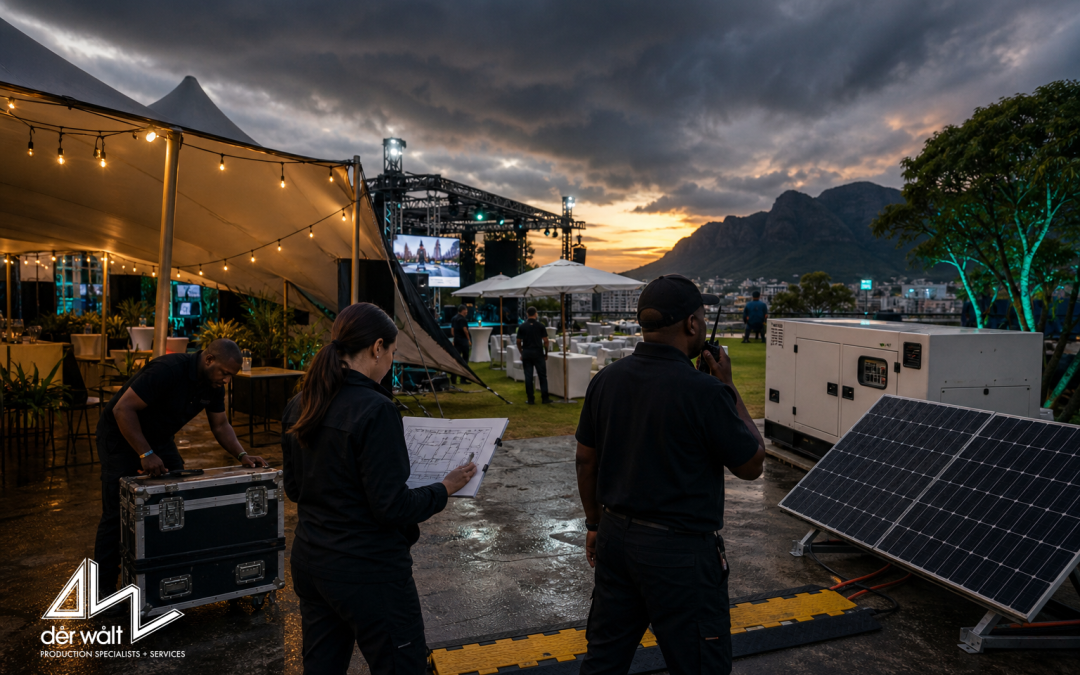
Planning climate-resilient outdoor brand activations in South Africa
This practical guide helps brands, agencies and event teams plan SA outdoor activations that withstand weather, energy disruptions and safety requirements. It covers local procurement, venues, transport, and timelines with actionable steps.
Why climate resilience matters for SA outdoor activations
South Africa presents a dynamic backdrop for brand activations. From severe sun and heat to summer thunderstorms and gusty coastal winds, outdoor events must be designed to handle rapid weather shifts. Add the reality of intermittent power supply in many regions and a complex transport network, and the need for a resilient production approach becomes clear. Planning with a climate-resilient mindset reduces the risk of delays, budget overruns and safety incidents while supporting a smoother onsite experience for attendees, staff and talent.
Weather-aware planning and risk assessment
Begin with a formal risk assessment that prioritises weather-related threats: heat exposure, rain and wind loading on structures, and lightning risk during storms. Leverage local forecasts and alerts from the South African Weather Service (SAWS) to set alert thresholds and decision points. Build in buffers for set-up and strike procedures in case forecasts shift. Remember that mood, temperature and humidity can affect attendee comfort, equipment performance and crew safety.
- Schedule flexibility: consider earlier set-up and later pack-down windows where feasible.
- Structure compatibility: choose tents and canopies with appropriate wind ratings and robust anchoring systems.
- Contingency spaces: provide shaded or indoor options for staff, performers and VIPs during peak heat.
Power reliability and energy strategy
Electricity is a cornerstone of modern activations. In many SA venues, load shedding or outages are a reality, which makes a diversified energy strategy essential. Combine solar with a generator or battery backup where possible, and design electrical layouts that minimise dependency on long cable runs. Engage qualified electricians and refer to established electrical safety guidance to reduce shock and fire risks. Plan for fuel storage, refuelling logistics and noise management to maintain a respectful environment around venues and residential areas.
Safety, compliance and crowd management in South Africa
Work within the framework of occupational health and safety principles. A site-specific risk assessment, clear escape routes, visible signage, first-aid readiness and trained staff are non-negotiables for any outdoor activation. Coordinate with venue management and local authorities early to understand fire codes, capacity limits, and restricted areas. Consider crowd management strategies that align with the venue’s ingress/egress points and local policing guidelines. Documentation such as a site plan, emergency procedures, and contact lists supports a swift response if an incident occurs.
Local procurement and supplier coordination
Local procurement brings both reliability and responsiveness. When possible, work with South African suppliers and service providers who understand regional logistics, weather contingencies and labour norms. Build procurement timelines that reflect supplier lead times, permit approvals and on-site delivery windows. Vet vendors for safety records, insurance cover and compliance with local regulations. Early engagement helps align budgets, avoid last-minute substitutions and protect quality of the install.
Timelines, permits and venue considerations
Permitting and venue requirements vary by municipality and venue type. Early checks should include noise bylaws, fire safety clearances, electrical permits for temporary installations, and access constraints for trucks, generators and rigging gear. Understand the venue’s insurance requirements, loading zones, waste management rules and any restrictions on signage or branding. Building a calendar that aligns with procurement milestones, crew rosters and transport plans reduces the likelihood of weekend or public-holiday delays.
Practical deployment: a phased planning approach
Phase 1: Pre-brief and site survey
Kick off with a comprehensive site survey to map access routes, power points, water availability, drainage, shade options and potential hazards. Collect venue schematics, photo documentation and any required permits. Use this phase to sketch out a high-level risk register and a basic power plan, including expected load, converter needs and backup options. Early conversations with venue managers, local authorities and service partners set a realistic scope and timeline.
Phase 2: Design, risk, and vendor alignment
Develop a design that aligns with weather resilience and energy strategy. This includes selecting weather-tolerant materials, wind-stable structures, and energy-efficient lighting and AV options. Build a procurement plan that segments critical path items (power, structural elements, safety equipment) from non-critical items. Schedule confirmatory site visits with key vendors and confirm insurance, safety certifications and staff qualifications. Establish a single point of contact for logistics to streamline decision-making on site.
Phase 3: On-site operations and contingencies
On the day, implement a lightweight but robust operations playbook. Assign roles for weather monitoring, power management, crowd control, and emergency response. Maintain open channels with the venue and security teams and keep a dedicated radio or comms channel for quick coordination. Have a clear contingency plan: if power fails, if weather deteriorates, or if access is blocked, know exactly how to shift the activation schedule, relocate activities or evacuate safely. After-action debriefs help capture lessons for future events.
What can be verified vs. guidance; local verification matters
The recommendations above reflect best practices for climate-resilient outdoor activations and common industry standards. However, regulatory specifics—such as permit requirements, fire codes, and capacity limits—are highly location- and venue-dependent in South Africa. Always verify guidance with the venue, local authorities and a qualified safety professional. Use reputable, publicly available resources as a baseline, then tailor plans to the site’s exact conditions and rules. For example, consult region-specific safety guidelines and national or international best practices to shape your risk assessments and operational playbooks.
Sources
- Event Safety Guide — UK Health and Safety Executive (HSE)
- South African Weather Service — Weather forecasting and climate advisories
- Electrical Contractors Association of South Africa (ECASA) — Electrical safety guidance and industry standards
- International Association of Venue Managers (IAVM) — Venue management and safety best practices
- Department of Employment and Labour — Occupational Health and Safety Act and related resources
Contact DERWALT for experiential marketing and event production
Ready to plan a climate-resilient outdoor activation? DERWALT offers end-to-end production management, risk-aware design, and local supplier coordination to deliver reliable events in South Africa. Reach out to explore your timeline, budget and venue options, and how we can support your activation from concept to on-site execution.
Recent Comments