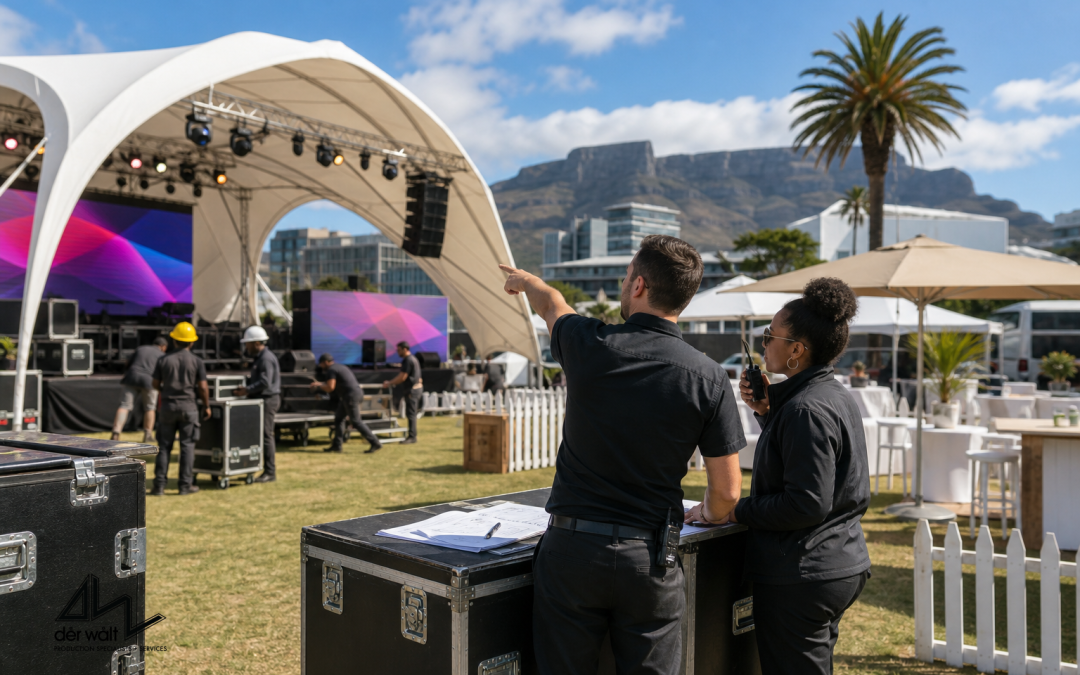
Mastering South African Brand Activations: Practical Outdoor Event Planning
A practical, South Africa–focused guide for brands, agencies and event teams planning outdoor activations. Learn how weather, transport, permits, procurement and budgets intersect with safety and timelines to deliver reliable, exceptional experiences.
Outdoor activations in South Africa offer dynamic, memorable ways to connect with audiences. Yet the same climate variability, diverse venues, complex procurement landscapes and multi-stakeholder coordination that make these events vibrant also introduce risk. This guide provides pragmatic, verifiable steps for planning, budgeting and delivering brand activations that are safe, compliant and on schedule—without compromising creativity.
Planning for a South African outdoor activation: a practical checklist
Begin with a clear brief and a realistic production plan that accounts for local realities: variable weather, transport routes, venue access, labour availability and procurement lead times. A well-structured plan reduces last‑minute surprises and supports disciplined decision‑making across internal teams and external partners.
Understand weather and climate risks in South Africa
Weather can shift quickly in coastal and inland regions. The South African Weather Service is a reliable source for forecasts and seasonal patterns that affect outdoor events. Build contingency into your schedule and footprint: consider rain, wind, heat and dust in venue selection, cover design, and power planning. Practical steps include reserving covered spaces, securing wind-rated structures, and scripting flexible load‑in/load‑out windows so weather changes don’t derail the program.
Reasoning and verification: While weather is unpredictable, contingency planning is a standard risk-management practice in event production. Use trusted sources for forecasts and align your plan with your venue’s capacity to adapt to weather shifts.
Access, transport and site logistics
SA cities vary widely in transport infrastructure and traffic patterns. Map the route from suppliers’ hubs to the site, with alternate access points for trucks and generator deliveries. Build in extra time for load‑in, unloading and rigging, especially for venues with restricted hours or pedestrian zones. Allocate specific parking or staging areas for each supplier, and establish a single point of contact for on-site logistics coordination to avoid miscommunication during peak moments.
Economy of movement matters: plan staggered delivery windows to reduce congestion, and coordinate with venue management about power distribution and water supply if you are deploying temporary infrastructure. Where possible, use local suppliers to shorten lead times and support regional procurement ecosystems.
Permits, compliance and safety standards
Public events require alignment with local regulations and venue rules. In South Africa, formal safety practices should reflect a robust health and safety framework, including risk assessments, crowd management planning and accessible emergency procedures. Engage with venue management and, where applicable, local authorities early to secure necessary permits and ensure compliant noise, alcohol licensing, road closures or public‑space usage. If your activation involves food, alcohol, or higher-risk elements (stunts, pyrotechnics, elevated rigs), factor additional approvals and accredited subcontractors into your timeline.
Important note: reference established guidelines and compliant practices rather than assuming universal requirements. Verify permit needs with the site and relevant authorities to avoid obstructive delays.
Procurement and supplier coordination in SA
South Africa’s procurement environment blends corporate governance, B‑BBEE considerations, VAT, and supplier capacity. Start procurement discussions early and document approval workflows, payment terms and contract milestones. Build a supplier roster that includes production houses, audio‑visual specialists, stage builders, power and generator rental, rigging, security, medical services and catering. Consider local content where possible to support speed to market and reduce freight lead times. Create a risk register for supplier dependability, and establish a single, accountable procurement lead to track commitments, delivery schedules and invoicing.
Practical approach: request written confirmations of lead times and on-site installation windows from all critical vendors, and schedule rehearsals that align with supplier availability. Maintain a flexible budget that anticipates currency fluctuations, tax considerations and potential import duties for equipment if you’re sourcing from outside South Africa. These steps support smoother execution and fewer bottlenecks on delivery day.
Budgeting and production timelines
Budgets should include a realistic contingency—common practice ranges from 5% to 15% depending on risk tolerance, venue constraints and the complexity of the activation. Build a production timeline with a critical path that identifies tasks likely to impact milestones: permitting, power, rigging, content creation, rehearsals, and load‑out. A well-structured timeline helps stakeholders understand dependencies and keeps teams aligned on decision points, approvals and sign-offs.
In SA contexts, labour schedules, transport constraints and venue access can influence timeline slack. Build in extra days for site familiarisation, weather-related delays and last‑mile logistics. Document all assumptions in a single source of truth so internal teams and external partners can reference the same plan during daily stand‑ups or client reviews.
Venue, technical planning and show production
Clear technical planning reduces the risk of overrun and last‑minute substitutions. Create early-stage technical diagrams (power layouts, rigging points, stage dimensions, speaker placement) and confirm with venue engineers and licensed technicians. Ensure there are backup power arrangements, particularly for critical elements such as audio, lighting and live feeds. In SA, many venues rely on generator power for outdoor events; plan for fuel delivery logistics, refueling schedules and fuel‑storage safety compliance.
Content and stage design should be adaptable to weather and audience sightlines. If your activation includes simultaneous sessions or live performances, script timing, cue sheets and run‑of‑show documents must be validated with all partners. Maintain a clear, on-site communication protocol (radio channels, headsets) and appoint a dedicated production manager who can coordinate changes in real time.
Emergency response planning and safety culture
Safety planning should be prioritized from the outset. Develop a site-specific emergency plan with muster points, medical response arrangements, and evacuation routes. Train staff and contractors on safety procedures, including crowd management, slip-and-trip hazards, emergency communication and incident reporting. Align safety practices with recognized standards—for example, ISO 45001 supports occupational health and safety management systems, while venue and event teams can adapt its principles to the production context.
Weather, crowd dynamics and equipment failures require rapid decision-making. Establish decision rights for weather-related shutdowns, content changes, or relocation of activities. Document these decisions and the rationale to maintain accountability and continuity for the client and team.
DERWALT’s role in practical, local activations
DERWALT provides end-to-end capabilities that align with the practical realities of South African brand activations. From strategic event planning and production management to technical planning, stage and show production, logistics and supplier coordination, we bring a structured, methodical approach to delivering experiential marketing and activation programs. Our teams are skilled at coordinating multi‑vendor ecosystems, optimizing schedules to reduce waste, and ensuring safety is embedded in every production decision. When required, we also support content creation and on-site show management to keep activations engaging while staying within budget and timelines.
Key differentiators in our approach include proactive risk management, transparent procurement processes, and a commitment to local collaboration. We emphasise clear, action-oriented documentation, robust vendor management, and contingency planning that respects both client goals and the realities of South African venues, transport routes and weather patterns. This practical approach helps brands and agencies unlock reliable, repeatable activation experiences that resonate with audiences while maintaining safety and compliance standards.
Sources
- IAVM — International Association of Venue Managers
- Event Safety Guide — Event Safety Alliance
- ISO 45001 Occupational health and safety — International Organization for Standardization
- South African Weather Service — Weather and climate information for events
- Occupational Health and Safety Act — Department of Employment and Labour
Partner with DERWALT for your next activation
Ready to plan and execute a memorable, safe and on-time activation? Contact DERWALT to discuss experiential marketing, activation or full event-production support. We’ll help you translate your brand goals into a practical, locally informed production plan that works in South Africa’s unique environment.
Recent Comments