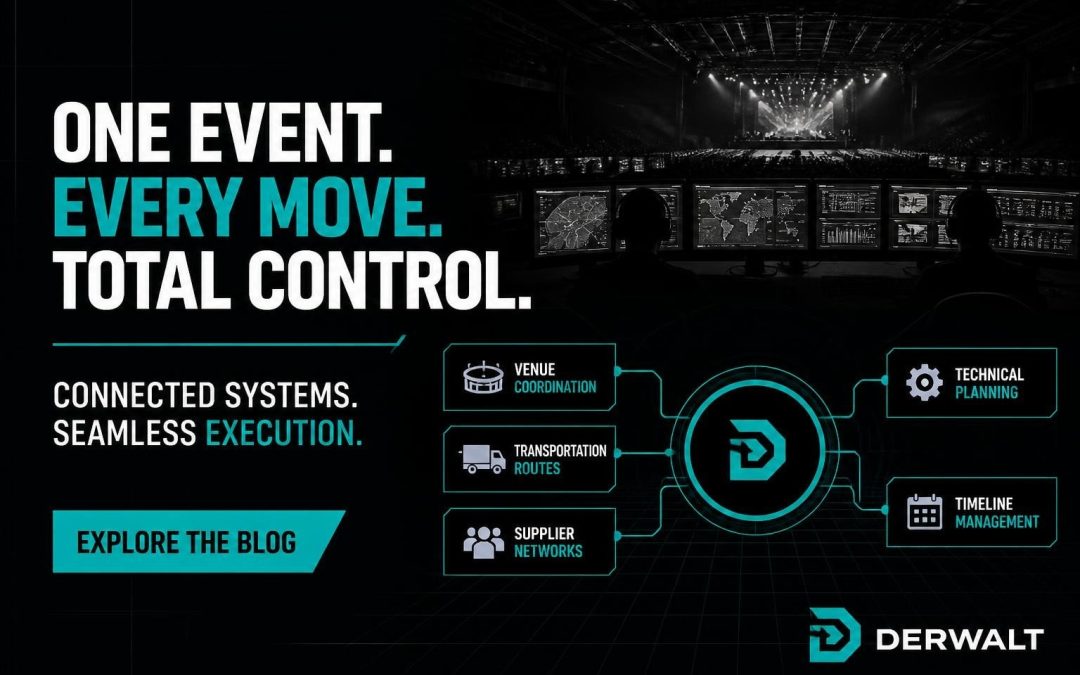
The difference between a memorable brand experience and an operational failure often comes down to logistics. While creative concepts and strategic positioning capture attention, logistics for event planning determines whether those ideas translate into seamless execution. The most innovative experiential campaigns lose their impact when technical delivery, supplier coordination, or transportation planning breaks down. In the South African market, where venue infrastructure, supplier networks, and transportation considerations vary significantly across regions, production intelligence becomes a competitive advantage.
The Strategic Role of Logistics in Event Production
Logistics for event planning extends far beyond moving equipment from one location to another. It represents the operational backbone that supports every creative decision, budget allocation, and brand objective.
Production logistics encompasses several interdependent systems:
- Supply chain management and supplier coordination
- Transportation planning and equipment movement
- Venue technical planning and site logistics
- Timeline coordination across multiple workstreams
- Risk identification and mitigation protocols
- Budget control and cost optimization
- Compliance with safety and regulatory requirements
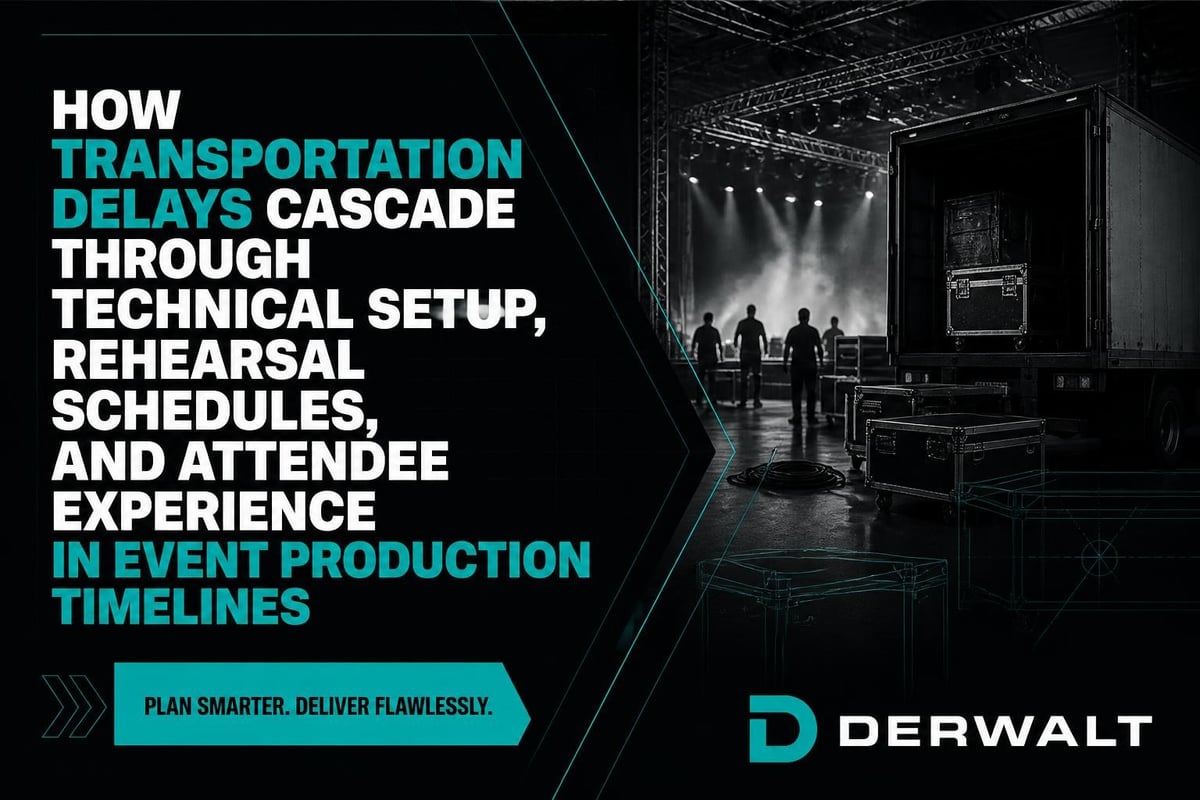
Each system connects to others through carefully managed dependencies. A delay in equipment transportation affects technical setup timelines, which impacts rehearsal schedules, which influences attendee experience. Understanding these essential elements of event logistics requires viewing the event as an integrated operation rather than isolated tasks.
Building Logistics Intelligence Into Planning
The most successful live event production companies integrate logistics thinking from the initial concept phase. Waiting until production begins to address transportation, supplier availability, or venue constraints creates expensive problems that compromise creative vision.
Early logistics integration allows production teams to:
- Assess venue feasibility based on load-in access, technical infrastructure, and spatial constraints
- Identify supplier lead times that influence design decisions and material selection
- Map transportation routes considering equipment dimensions, vehicle restrictions, and timing requirements
- Calculate realistic setup windows that account for technical complexity and crew availability
- Build contingency protocols addressing weather, supplier failure, or technical malfunctions
This approach transforms logistics from a reactive problem-solving function into a strategic planning tool. When creative teams understand operational constraints, they design concepts that push boundaries while remaining executable within budget and timeline parameters.
Transportation and Equipment Movement Planning
Transportation logistics represents one of the most underestimated aspects of event production. Moving staging elements, audio-visual equipment, branding materials, and technical infrastructure across South African regions requires detailed planning that accounts for distance, vehicle capacity, route conditions, and timing precision.
Developing Transportation Protocols
Effective transportation planning begins with comprehensive asset inventories. Every piece of equipment, scenic element, and material component requires documentation including dimensions, weight, handling requirements, and destination details.
| Planning Element | Key Considerations | Risk Factors |
|---|---|---|
| Vehicle Selection | Equipment dimensions, weight capacity, climate control needs | Inadequate vehicle size, specialized handling requirements |
| Route Planning | Distance, road conditions, height/weight restrictions, fuel stops | Traffic delays, route closures, weather conditions |
| Loading Sequence | Setup order, equipment protection, weight distribution | Damaged equipment, inefficient unloading, safety hazards |
| Timeline Buffers | Traffic variables, load-in windows, crew availability | Compressed setup time, rushed installation, quality compromise |
Professional production teams build detailed transportation schedules that work backward from event start times. If doors open at 18:00, technical rehearsal needs completion by 16:00, which requires full setup by 14:00, demanding equipment arrival by 08:00. That morning deadline determines departure times, which influences load-out completion the previous day.
Managing event logistics effectively means treating transportation as a critical path activity where delays cascade through every subsequent workstream. Buffer time built into transportation schedules provides insurance against variables that can't be controlled.
Supplier Coordination and Supply Chain Management
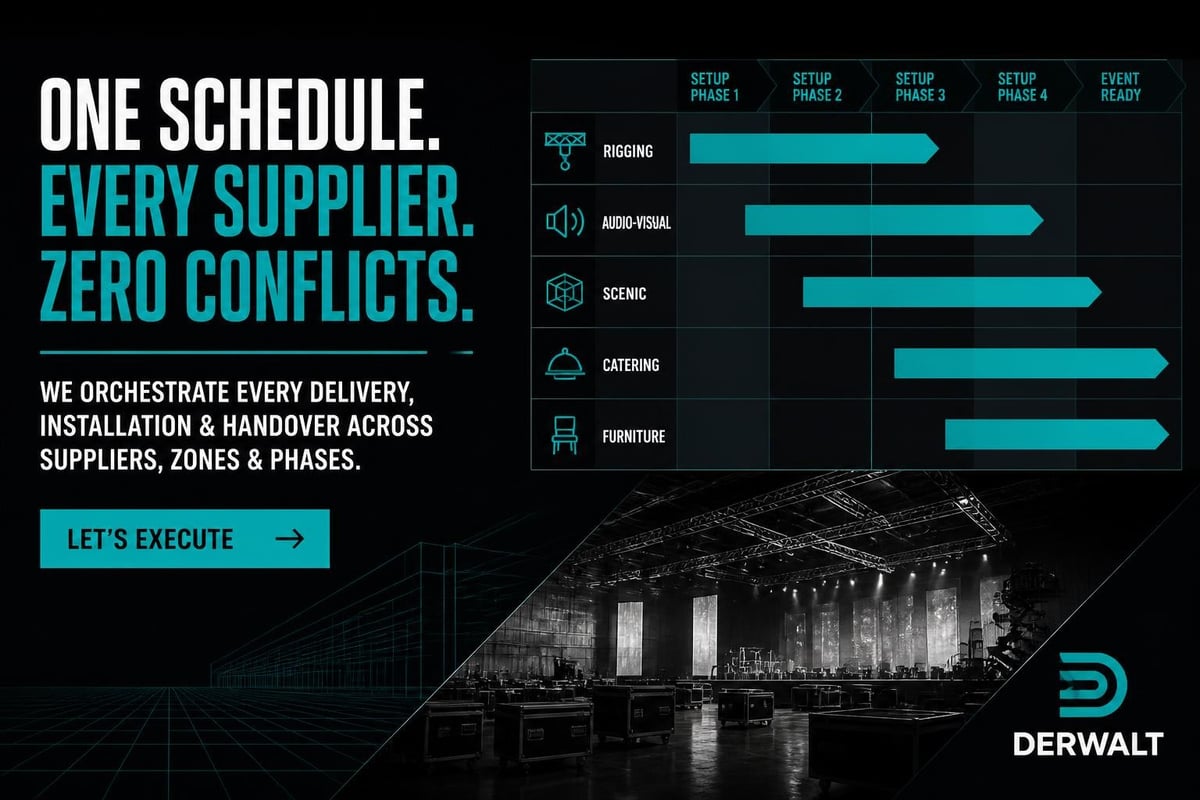
Logistics for event planning depends on coordinating multiple suppliers whose deliverables must converge at precise moments. Audio-visual providers, scenic fabricators, catering operations, furniture rental companies, and technical specialists all operate on separate schedules that production teams must synchronize.
The challenge intensifies when events span multiple days or require phased builds. A product launch might need exhibition stands installed on day one, while keynote staging arrives on day two, and breakout session furniture comes on day three. Each supplier needs access to specific venue areas at designated times without interfering with other operations.
Effective supplier coordination requires:
- Clear communication protocols establishing who receives what information when
- Detailed site maps showing load-in routes, storage areas, and installation zones
- Confirmed delivery windows with buffer time for delays
- Equipment specifications verified against venue power, rigging, and spatial capacity
- Backup supplier relationships for critical technical components
- Payment terms and conditions documented to prevent disputes
Production intelligence means anticipating supplier dependencies before they become problems. If the audio provider needs truss structures installed before hanging speakers, the rigging supplier must complete work first. If branding requires specific lighting angles, both scenic and lighting teams need coordinated setup sequences.
Managing Venue Logistics and Site Operations
Venue selection represents a logistics decision as much as an aesthetic one. The most impressive spaces often present the most complex operational challenges. Historic buildings may lack loading dock access. Convention centers might restrict setup hours. Outdoor venues introduce weather variables and infrastructure requirements.
Event venue coordination and logistics demands comprehensive site analysis that identifies constraints before committing to a location. Production teams evaluate venues through operational lenses:
Load-in and load-out access determines whether equipment can physically reach installation areas. A venue with narrow corridors, weight-restricted elevators, or limited dock space creates bottlenecks that extend setup time and increase labor costs.
Power infrastructure capacity must support technical requirements without tripping breakers or requiring expensive temporary installations. Calculating total amperage draw across lighting, audio, video, catering, and climate control prevents mid-event failures.
Rigging points and weight capacity enable suspended elements like lighting trusses, projection screens, or scenic pieces. Venues without adequate rigging infrastructure need temporary truss systems that add cost and complexity.
Storage space for equipment cases, packaging materials, and operational supplies keeps event areas clean and safe. Insufficient storage forces crews to navigate around obstacles or relocate items repeatedly.
Technical Planning and Production Sequencing
Technical logistics transform design drawings into physical installations. This process requires detailed planning that sequences every task, coordinates every crew member, and anticipates every dependency.
Production schedules break down into discrete phases:
- Load-in and equipment placement establishes the foundation for all subsequent work
- Structural installation including staging, truss, and scenic elements
- Technical integration covering lighting, audio, video, and control systems
- Programming and testing ensuring all technical elements function as designed
- Dress rehearsal identifying issues before attendees arrive
- Event execution with technical crews managing real-time operations
- Load-out and equipment return restoring venues and returning rental items
Each phase includes specific tasks with assigned crew members, required equipment, and time allocations. The most sophisticated production teams use project management software that tracks dependencies, flags delays, and updates timelines automatically.
Best practices for smooth event execution emphasize creating detailed run-of-show documents that specify exactly what happens when. These documents function as operational scripts guiding crew members through complex sequences where timing precision matters.
DERWALT builds comprehensive production management systems that connect creative vision with technical delivery. DERWALT’s production intelligence approach addresses budget control, supplier management, risk mitigation, and on-site execution through integrated planning frameworks designed for brand experiences that demand operational excellence.
Risk Management and Contingency Planning
Professional logistics for event planning always includes contingency protocols addressing potential failures. Equipment malfunctions, supplier delays, weather disruptions, power outages, and personnel issues represent predictable categories of risk that require advance planning.
Building Operational Resilience
Risk mitigation begins with identifying critical path elements where failure creates the most significant impact. The keynote presentation system represents higher risk than lobby furniture because technical failure affects the entire event's primary purpose.
Contingency planning addresses multiple failure scenarios:
- Backup equipment for critical technical systems
- Alternative suppliers with confirmed availability
- Weather protection for outdoor elements or alternative indoor options
- Generator capacity for power failures
- Additional crew members cross-trained on multiple systems
- Communication protocols for rapid problem escalation
The cost of contingency planning represents insurance against much larger losses. Renting a backup projector costs far less than canceling a product launch because the primary unit failed. Maintaining supplier relationships beyond lowest-bid selection provides options when primary vendors encounter problems.
| Risk Category | Likelihood | Impact | Mitigation Strategy |
|---|---|---|---|
| Equipment Failure | Medium | High | Backup units, technical redundancy, rapid replacement protocols |
| Supplier Delay | Medium | Medium | Buffer time, alternative suppliers, early delivery incentives |
| Weather Disruption | Variable | High | Indoor alternatives, weather protection, flexible scheduling |
| Power Outage | Low | Critical | Generator backup, power redundancy, load distribution |
| Personnel Issues | Low | Medium | Cross-training, crew depth, agency relationships |
Planning event logistics in 16 steps provides frameworks for identifying dependencies and building resilience into operational plans. The investment in comprehensive risk planning pays returns when problems occur and backup systems activate seamlessly.
Budget Control and Cost Optimization
Logistics planning directly influences event budgets through transportation costs, labor allocation, equipment rental terms, and contingency reserves. Production intelligence means optimizing these expenses without compromising execution quality or brand experience.
Transportation costs respond to advance planning. Booking vehicles early, consolidating shipments, and selecting efficient routes reduce expenses. Last-minute transportation arranged under deadline pressure costs significantly more than scheduled well ahead of event dates.
Labor represents another major logistics expense. Efficient crew scheduling that matches worker skills to specific tasks, minimizes overtime, and sequences work to avoid idle time controls costs. A crew waiting for equipment arrival or another team to finish preparatory work represents wasted budget.
Equipment rental terms improve with advance booking and relationship management. Suppliers offer better rates for confirmed orders placed months ahead rather than last-minute requests. Long-term relationships with reliable payment history generate preferential pricing and priority service.
Measuring Logistics Performance
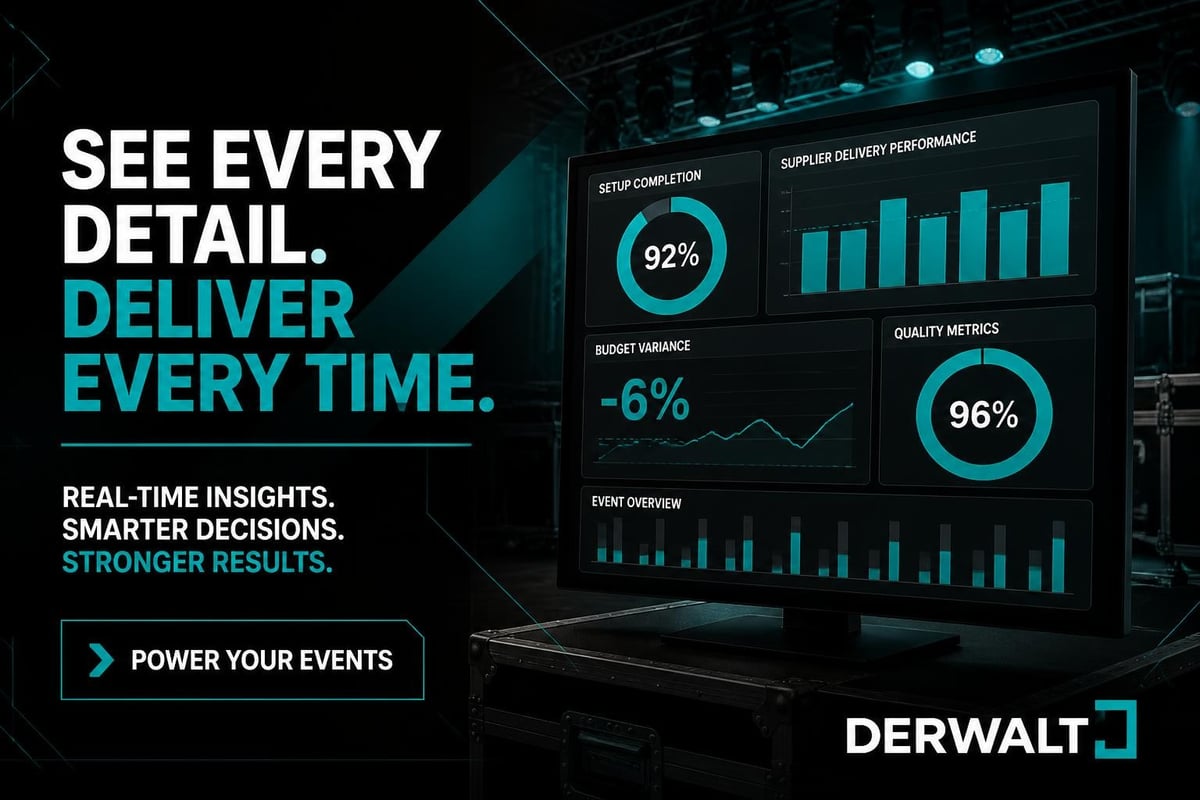
Professional production teams track metrics that reveal logistics efficiency:
- Actual versus planned setup time completion
- Equipment damage or loss rates during transportation
- Supplier on-time delivery percentages
- Budget variance between estimated and actual logistics costs
- Technical rehearsal completion before event start
- Post-event feedback identifying operational issues
These measurements identify patterns that inform future planning. Consistently late deliveries from specific suppliers suggest finding alternatives. Regular overtime during certain setup phases indicates unrealistic time allocations that need adjustment.
Compliance, Safety, and Regulatory Considerations
Logistics for event planning operates within regulatory frameworks governing safety, accessibility, environmental impact, and operational permits. Professional production teams understand these requirements and build compliance into planning rather than treating it as an afterthought.
Safety regulations affect rigging specifications, electrical installations, crowd management, emergency access, and fire safety. Events that ignore these requirements expose organizers to liability and attendees to danger. Compliance and safety measures represent non-negotiable logistics elements that shape operational decisions.
Accessibility requirements ensure events accommodate attendees with mobility, visual, or hearing considerations. This affects venue selection, seating arrangements, technical accommodations, and wayfinding systems. Planning accessibility from the beginning costs less and works better than retrofitting solutions later.
Environmental regulations govern waste management, noise levels, water usage, and emissions. Outdoor events face additional environmental considerations including site restoration, protected species, and seasonal restrictions. Obtaining necessary permits requires advance planning with documentation submitted weeks or months before event dates.
Post-Event Logistics and Operational Learning
The logistics cycle continues beyond event conclusion. Load-out planning requires the same attention to detail as load-in, with additional considerations around venue restoration, equipment return deadlines, and crew scheduling.
Efficient load-out begins during event operation. As certain elements complete their function, crews can begin disassembly and packing without disrupting ongoing activities. The keynote stage can come down after the final presentation concludes, even while networking sessions continue in other spaces.
Equipment return schedules influence labor costs and supplier charges. Rental agreements typically specify return windows with penalties for late delivery. Planning load-out sequences that prioritize rental items due first optimizes costs.
Post-event debriefs capture operational learning:
- What logistics elements performed as planned?
- Which suppliers exceeded or missed expectations?
- Where did timeline estimates prove inaccurate?
- What contingency plans activated, and were they adequate?
- How can processes improve for future events?
This intelligence feeds forward into planning cycles, making each event more efficient than the previous one. Organizations that invest in systematic learning build competitive advantages through accumulated operational expertise.
Technology Integration for Logistics Management
Modern logistics for event planning leverages technology platforms that centralize information, automate workflows, and improve coordination. Project management software tracks tasks, deadlines, and dependencies across complex production schedules. Getting logistics right increasingly depends on digital tools that provide visibility into operational status.
Inventory management systems track equipment movement from warehouse to venue to return. RFID tagging and barcode scanning reduce losses and accelerate check-in/check-out processes. Digital systems provide audit trails showing exactly where assets are and who last handled them.
Communication platforms keep distributed teams synchronized. When suppliers, venue staff, technical crews, and client teams operate in different locations, centralized communication prevents information silos. Updates posted to shared platforms reach everyone simultaneously, reducing coordination errors.
Site planning software creates detailed CAD drawings showing equipment placement, power distribution, traffic flow, and safety zones. These digital plans facilitate approvals, identify conflicts before installation, and guide crew members during setup. Three-dimensional modeling helps clients visualize final configurations and approve logistics plans with confidence.
Digital tools don't replace logistics expertise-they amplify it. Technology provides information and automates routine tasks, freeing experienced production professionals to focus on strategic decisions that require judgment, relationships, and creative problem-solving.
Scaling Logistics Across Event Portfolios
Organizations managing multiple events simultaneously face compounded logistics challenges. Equipment, crew, and supplier resources must distribute across competing priorities. Production calendars that once planned single events now coordinate overlapping schedules where logistics for one event affects others.
Portfolio-level logistics planning requires visibility across all events. Equipment calendars show when assets are committed versus available. Crew scheduling identifies conflicts where key personnel can't serve multiple events. Supplier capacity planning ensures vendors can deliver across multiple concurrent projects.
Standardizing logistics processes across event portfolios improves efficiency. Templates for transportation planning, supplier agreements, venue checklists, and risk assessments reduce reinvention. Teams apply proven frameworks while customizing details to specific event requirements.
Centralized equipment ownership versus rental decisions depend on event frequency and asset utilization. Organizations producing regular events may invest in owned inventory for items used repeatedly. Lower-frequency events rely on rental relationships that provide flexibility without capital investment.
Building logistics capabilities that support successful events across diverse requirements represents a strategic advantage. Production teams that master scalable logistics deliver consistent quality regardless of event size, location, or complexity.
Strategic logistics planning separates exceptional brand experiences from operational compromises. When transportation, supplier coordination, technical planning, and risk management align through production intelligence, creative visions become reliable executions that build client confidence and brand value. DERWALT brings 360º production expertise that connects strategic planning with flawless operational delivery across South Africa's diverse event landscape. Let's discuss how our integrated approach to logistics, technical planning, and production management can elevate your next brand experience.
Recent Comments