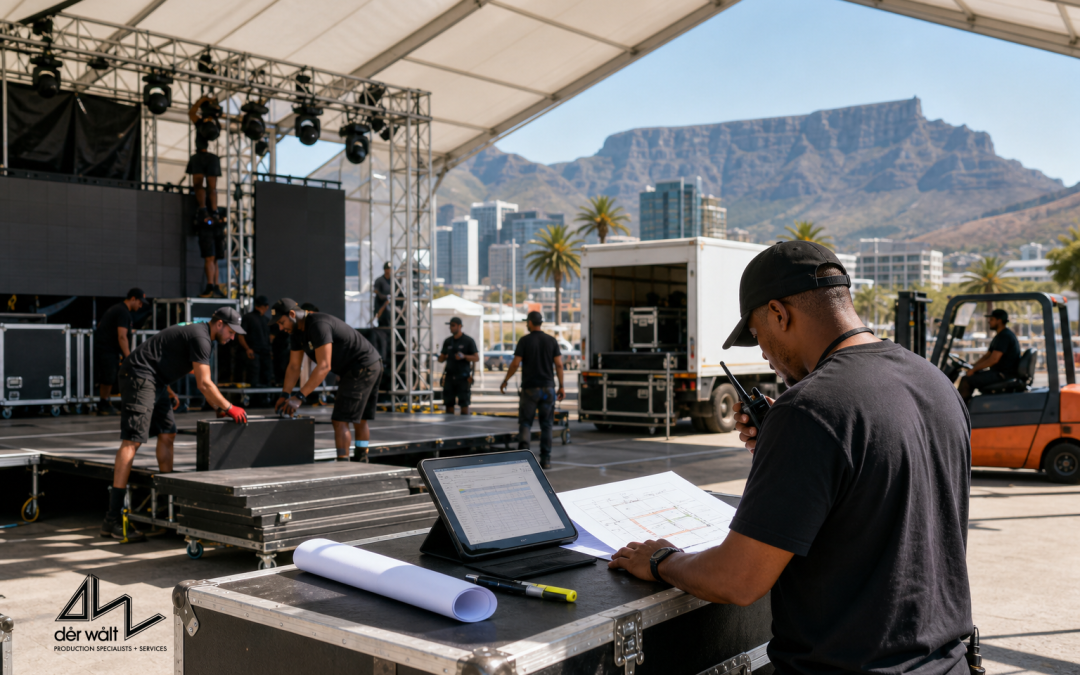
How to Plan Scalable Experiential Activations in South Africa
A practical, field-tested guide for brands, agencies and event teams in South Africa to design, procure, and deliver scalable experiential activations—from budgeting and procurement to transport, weather considerations and safety on site.
In South Africa’s dynamic events landscape, brands must design activations that can flex across venues, audiences and budgets. A scalable activation uses modular design, repeatable processes and local supply networks so you can launch in Cape Town or Johannesburg and adapt to a campus, mall, stadium or transit hub without starting from zero each time. This article outlines practical, verifiable steps for planning teams—production managers, event strategists, venues and suppliers—to reduce risk and keep timelines intact while staying compliant and cost-conscious.
Why scalability matters in South Africa’s event market
The SA market spans coastal cities, inland business districts and rural venues, each with distinct permits, traffic patterns and weather considerations. Short notice in procurement, a volatile currency, labour schedules and transport congestion can impact budgets and lead times. A scalable approach helps: (1) reuse modular concepts and equipment, (2) standardize vendor vetting and safety processes, and (3) align expectations with stakeholders early in the planning cycle. This isn’t just theory—it’s a practical response to real-world constraints faced by brands, agencies and production teams operating across Gauteng, Western Cape, KwaZulu-Natal and beyond.
Step 1 — Define goals, audience and constraints
Budgeting and procurement realities in SA
Set a baseline budget that includes VAT, delivery fees, contingency and local taxes. In South Africa, procurement often hinges on local supplier relationships, lead times and freight costs, which can fluctuate. Build a modular equipment kit (power, lighting, AV, staging) that can scale up or down by venue size. Use a simple scoring framework for vendors: safety record, licencing, insurances, on-time delivery and local references. Verify supplier capacity for peak demand periods (holiday seasons, major sports or tourism peaks) to avoid last-minute substitutions that compromise quality or safety.
Timeline planning and permits
Municipal permits, traffic management plans and venue-specific restrictions can require weeks to months of lead time. In SA, you should allocate extra time for regulator reviews, road closures and security clearances, especially in high-traffic corridors or near CBDs. Build a production calendar that includes permit milestones, early-stage contingency buffers and parallel streams (content, technical, logistics) so teams can work asynchronously without bottlenecks. The goal is to have a clear, resourced plan that translates constraints into actionable tasks and owners.
Step 2 — Supplier procurement in SA
Finding reliable local partners
South Africa’s strong local market for events means you can access reputable AV, rigging, staging, power and transport providers, often with national reach. Start with vendor briefings that align on health and safety, insurance, risk assessment, and incident reporting. Prioritise suppliers with experience in multi-venue activations and who can provide modular solutions, test-lit and sign off on equipment performance before deployment. For venues, work with established event teams who understand load-in routes, parking constraints and security requirements to minimise delays on site.
Venues, power, and transport considerations
Power reliability can vary by region and time of day; plan for redundant power and generator management with fuel supply plans. When selecting transportation partners, consider route risk, traffic patterns and queue times at border or toll roads in major corridors. For remote or semi-urban venues, you may need to coordinate with local authorities for temporary access and safety signage. Build a vendor roster that includes at least two contingency providers per category so you can reallocate quickly if one supplier has a scheduling conflict or supply disruption.
Step 3 — Safety, compliance and risk management
Adopting a risk-aware approach is essential in SA’s regulatory environment. Start with a formal risk assessment that identifies crowd management needs, fire safety, electrical safety and emergency communications. The industry standard guidance in the UK Purple Guide and ISO 20121-aligned practices can inform your approach, while compliance checks should be tailored to South Africa’s OH&S framework and municipal requirements. Ensure all crew have appropriate training, licences and PPE, and establish clear incident-reporting lines on site. For outside broadcasts or open-air activations, consider weather, winds, dust and temperature as drivers of hazard controls—install shaded areas, wind-rated structures and secure rigging accordingly.
Step 4 — Transport and logistics optimization
Combining a centralized production calendar with rollout across cities helps manage costs and timelines. Map critical transport routes, coordinate with transport suppliers on loading/unloading times, parking, and on-site staging areas. Many SA events rely on a mix of road freight, courier services and local shuttle fleets; negotiating backhauls and multi-venue trips can reduce costs and vehicle downtime. Build a clear chain-of-command for logistics, with a dedicated lead for freight, a separate lead for on-site installation and a standby for weather or safety incidents.
On-site power and technician coverage
Power demands should be verified against venue specifications and generator capacity. In addition to main power, maintain an on-site team for generator monitoring and fuel management, as outages or surges can delay show times. Schedule technician shifts to ensure continuous support, with clearly defined break periods and handover notes to avoid miscommunication. If you expect late-night load-ins, confirm site lighting, security, and access control arrangements with venue management.
Step 5 — On-site operations and contingency planning
On-site execution hinges on crisp communications, standardized checklists and a culture of safety. Pre-brief each team with a published run-of-show, check-in points, and escalation paths. Use modular staging and lighting that can be reconfigured quickly for different spaces, and protect gear from dust, humidity and heat. In South Africa, unpredictable weather can influence wind and rain; have a tenting and cover strategy, rain plans for outdoor stages and a robust plan for securing temporary structures. Build in a 20–30% contingency for on-site adjustments, including last-minute content changes or supplier substitutions, so the activation remains on schedule and within budget.
What DERWALT can offer
DERWALT specialises in end-to-end experiential marketing and event production. Our approach combines production planning, technical design, and logistics with supplier coordination and on-site execution. We help brands translate a concept into a scalable activation plan, create a procurement blueprint aligned to local suppliers, and manage risk, safety and compliance through every stage of delivery. Our services include production management, stage and show production, content creation support, venue coordination, and end-to-end event delivery—tailored to South Africa’s procurement practices, labour environment and logistical realities. This section intentionally describes capabilities at a high level; any work would be scoped per project and aligned with client requirements and budgets.
Sources
- ISO 20121: Sustainable events management — International Organization for Standardization
- The Purple Guide to Health, Safety and Welfare at Music and Other Events — Health and Safety Executive (UK)
- South African Weather Service — Government of South Africa
- Meetings Industry South Africa (MISA) — Industry association
Partner with DERWALT for experiential marketing
Ready to plan, scale or optimise your experiential activation in South Africa? Contact DERWALT for end-to-end event production support—from concept and budgeting to on-site delivery and supplier coordination. Let’s discuss your next activation.
Recent Comments