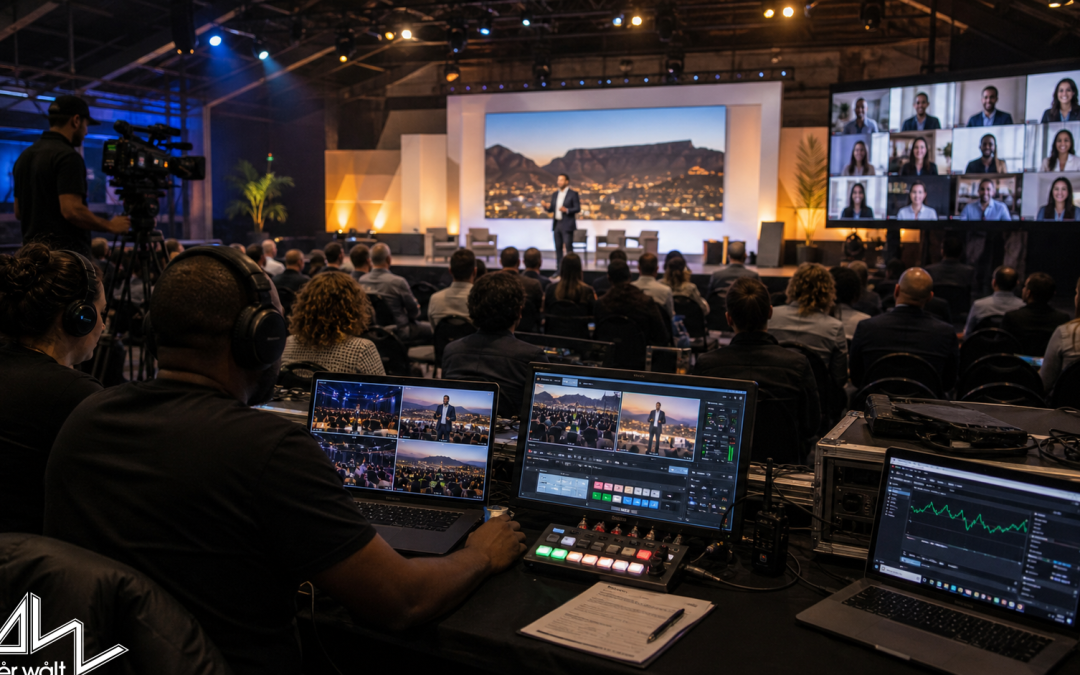
How to Plan a Scalable Hybrid Event in South Africa
A practical guide for brands, agencies, venues and production teams planning scalable hybrid activations in South Africa—covering local procurement, safety compliance, weather contingency, transport, and logistics to keep timelines and budgets on track.
Hybrid events—the combination of live and virtual experiences—offer broader reach while delivering tangible on-site engagement. In South Africa, planning a scalable hybrid activation requires balancing audience accessibility with robust technical solutions, compliant safety practices, and efficient procurement across diverse markets. This guide outlines practical steps, aligned with international standards and local realities, to help brands and agencies deliver consistent experiences from concept through to on-site delivery and post-event analysis. It also highlights how DERWALT can support end-to-end production, supplier coordination, and activation strategy where appropriate.
Why hybrid events matter in South Africa today
Hybrid formats can expand audience access beyond geographic constraints and reduce travel costs for attendees while maintaining high engagement through curated virtual content, live-streamed sessions, and interactive digital experiences. In SA, hybrid events also present opportunities to showcase local venues, talent and suppliers to a national or even continental audience. However, they introduce complexity: reliable connectivity, power management, data costs, audience safety, weather risk, and the coordination of multiple supply chains across regions. A scalable approach helps ensure quality for both in-person and online participants, while keeping budgets and timelines realistic.
Defining a scalable hybrid event: core components
Experience design and audience journey
Begin with a clear map of the audience journey for both live and virtual participants. Define touchpoints such as registration, hybrid sessions, Q&A, networking, and on-demand content. Use a modular design so the same core content can be repurposed across formats. In SA, consider local accessibility needs, including venue proximity to transport hubs, language preferences, and contingencies for weather-related disruptions that could affect outdoor components.
Technology and platform architecture
Choose a platform that supports scalability, redundancy and regional access. Plan for high-quality streaming, a robust content delivery network (CDN), and backup connectivity. Consider a two‑stage approach: a live feed for on-site attendees and a parallel virtual stream with interactive features such as polls, chat, and breakout rooms. Build in redundancy for power and internet, including backup generators and a mobile data contingency plan to minimise interruptions during peak times. Align technical choices with ISO 20121 principles on sustainable event management, including efficient resource use and disaster recovery planning.
On-site logistics and staffing
Live venues in SA often require careful coordination of stage management, AV, rigging, and safety stewards. Create a staffing plan that covers technical crew, safety officers, traffic marshals, and hospitality teams. Build in time buffers for venue handovers, power testing, and rehearsals. Local procurement should reflect lead times for equipment, transport, and consumables, accounting for weekend and public holiday constraints that can affect scheduling. If possible, choose venues with in-house power security and existing fibre or wireless connectivity to reduce risk and cost.
Local procurement and supplier coordination
Sourcing local AV, power, staging and production services
Procure a mix of trusted local suppliers for stage, lighting, audio, video, streaming, and crew. In South Africa, lead times can be influenced by seasonal demand and labour availability, so lock bookings early and confirm contingency options. Establish clear service-level agreements (SLAs) and define responsibilities for power supply, equipment returns, and on-site maintenance. Consider environmental and safety requirements in supplier contracts, including waste management and secure storage for equipment during transport and installation.
Procurement timing, budgets and compliance
Budgeting for hybrid events should separate live and virtual cost centers while allowing for shared components (branding, stage design, content production). Build in allowances for VAT, levies, and potential permit fees. In SA, ensure procurement processes comply with local regulations and government guidelines on health and safety, as well as environmental considerations. Use ISO 20121-based planning to track resource usage, waste streams, and supplier performance for continuous improvement.
Safety, risk management, and compliance
Permits, site safety plans and crowd management
Identify required permits early, including venue-specific approvals, fire safety, and crowd management plans. Develop a site safety plan covering egress routes, occupancy limits, emergency procedures, medical support, and liaison with local authorities. For SA, align with the Occupational Health and Safety Act (Act 85 of 1993) and related regulations to clearly define responsibilities for employers, organizers and venue operators. Ensure that security, access control and spectator flow are designed to reduce bottlenecks and minimize risk during peak periods.
Weather contingency and environmental risks
Weather can significantly impact outdoor components and power reliability. The South African Weather Service provides regional forecasts that can inform scheduling, backup space allocation, and contingency plans. Build flexible timing blocks and weather-ready alternatives (covered spaces, temporary awnings, or indoor backups) so key moments—like speaker sessions or product demonstrations—can proceed with minimal disruption.
Transport, accessibility and labour considerations
Plan transport routes for attendees and crews, including parking, ride-hailing options, and shuttle services from major hubs. Consider accessibility for all participants, including persons with disabilities. In SA, labour planning should align with local regulations and union agreements where applicable, and contracts should clearly delineate work hours, overtime rates, and safety briefings for crew. A well-documented logistics plan reduces miscommunication and enhances on-site productivity.
Budgeting and timelines for SA production
Creating a realistic production timeline
From concept to delivery, hybrid events require iterative planning phases: concept approval, content production, platform selection, supplier contracting, venue readiness, rehearsals, and live execution. Build a realistic timeline with milestones for each phase, including buffer periods for approvals, permit processing, and supplier lead times. In SA, consider public holidays and school holidays that may affect staffing and transport availability, and schedule procurement accordingly to avoid last-minute rushes.
Cost-control strategies
Adopt a modular approach to control costs: standardize core production kits, reuse content across formats, and lock in fixed-rate contracts for essential services. Use a risk register to anticipate potential disruptions (power outages, connectivity issues, weather) and allocate contingency budgets for critical components such as streaming reliability, backup power, and safety measures. Document all assumptions and decisions to support post-event reporting and future budgeting.
A practical hybrid event planning checklist
- Define objectives for live and virtual audiences; delineate success metrics.
- Map audience journeys and identify reusable content segments.
- Choose a platform with robust regional access and redundancy; plan for backups.
- Lock in venues with reliable power and accessible connectivity; confirm load-in windows.
- Source local AV, staging, and production teams with clear SLAs.
- Develop a site safety plan aligned with OHS Act requirements.
- Obtain necessary permits early; plan for weather contingencies.
- Budget with separate live and virtual lines; include VAT and levies.
- Coordinate transport, accessibility, and staff scheduling with clear roles.
Sources
- ISO 20121: Sustainable events management — ISO
- Occupational Health and Safety Act, 85 of 1993 — South African Government
- National Environmental Management: Waste Act, 59 of 2008 — South African Government
- South African Weather Service — WeatherSA
- Purple Guide: Health and safety at events — Health and Safety Executive (UK)
Partner with DERWALT for your next activation
Ready to bring your hybrid activation to life with confidence? DERWALT offers end-to-end event strategy, production management, and local supplier coordination to deliver compliant, memorable experiences across South Africa. Get in touch to discuss your objectives, timelines, and budgets.
Recent Comments