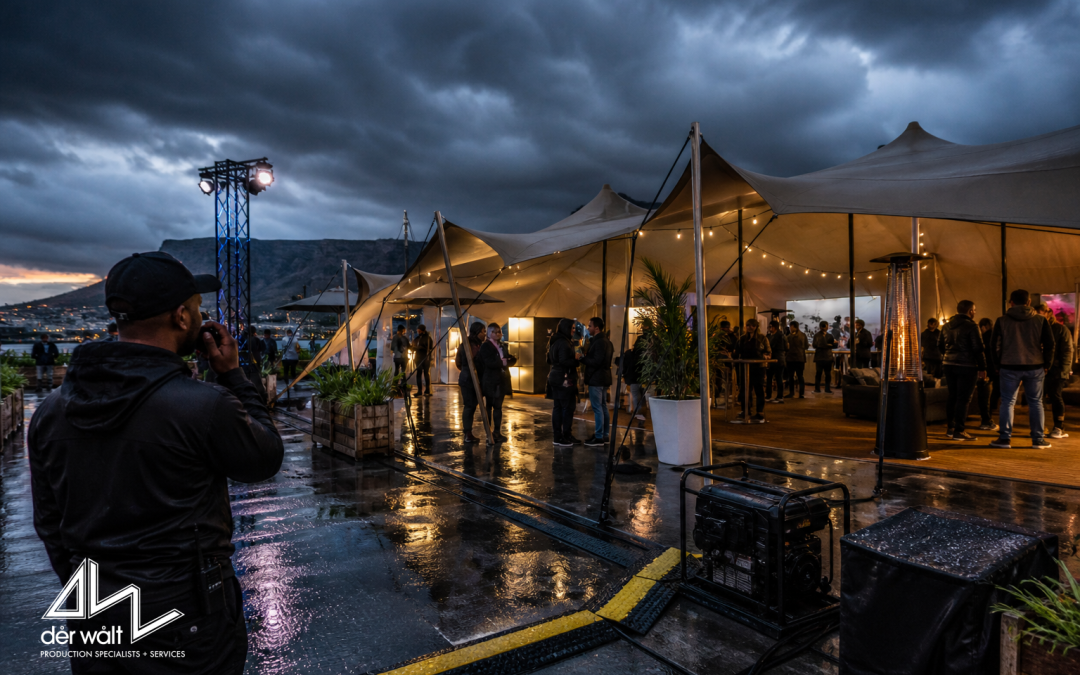
Weather-Proofing South African Outdoor Experiential Activations: A Practical Guide
A weather-resilient outdoor activation requires deliberate contingency planning. This guide offers a practical framework for South Africa, covering risk assessment, shelter strategy, power, and clear communications to keep audiences safe and engaged.
The first paragraph after the excerpt provides a direct answer: plan with a robust weather contingency from the outset—flexible dates, adaptable spaces, shelter and climate-control options, and a clear on-site communications workflow.
Why weather planning matters for South African activations
South Africa’s outdoor events palette ranges from coastal breezes to inland heat and sudden showers. Regional microclimates mean wind, rain, heat, and humidity can shift quickly. A well‑designed plan reduces risk to attendees and staff, protects investments in equipment, and keeps your brand experience intact even when conditions change.
Beyond comfort, weather risk intersects with safety, timelines, and permits. Local venues, suppliers and municipal requirements may hinge on compliant weather practices, while sudden weather events can disrupt power, drainage, and crowd flow. A proactive weather strategy also supports sustainability goals by minimizing waste from last‑minute substitutions and reducing energy spikes from ad‑hoc climate control solutions.
A practical framework for weather contingency in SA
Use a four‑pillar framework to embed weather resilience into your activation plan:
1) Pre-event risk assessment and decision thresholds
- Conduct a weather risk assessment early, defining local weather thresholds that trigger actions (e.g., rain onset, wind gusts, heat indices).
- Assign a weather lead and a small decision-making team responsible for monitoring forecasts and enacting contingency measures.
- Partner with trusted forecast sources (e.g., South African Weather Service for local accuracy) and have a rapid-consultation process with venue staff and key suppliers.
2) Flexible scheduling and venue options
- Build a weather-responsive schedule with a primary date and one or more backup dates aligned to regional patterns and permit windows.
- Secure adaptable spaces: venues with covered options or on-site shelters, plus the ability to shift guest flow with minimal disruption.
- Pre-negotiate weather-related cancellation or rescheduling terms with key partners to avoid last‑minute gaps in production.
3) Shelter, staging, and climate control
- Design a shelter strategy using wind-rated marquees or gazebos, anchored with appropriate ballast and ground anchors suitable for SA soils and wind zones.
- Plan shelter layout to maintain sightlines and access while allowing for crowd movement under cover during weather events.
- Incorporate climate-control options: shade structures, misters or fans for heat, portable heaters or heated tents for cold evenings, and lighting that works reliably in wet conditions.
- Ensure electrical safety with weather-resistant cabling, proper containment, and certified generators or power sources capable of handling peak loads.
4) Power, safety, and communications
- Prepare for power interruptions with a clearly defined backup plan, including generators, battery power banks, and surge protection for critical systems.
- Integrate safety protocols aligned with local standards (see SAFETY references below). This includes crowd management, slip-and-fall prevention, and emergency egress planning under changing weather.
- Establish clear on-site communications: pre-event briefings, mass notification systems, PA announcements, digital screens, and a weather update cadence for staff and guests.
5) Budgeting and procurement considerations
- Include a dedicated weather contingency line item in the production budget to cover shelters, additional staff, and alternate power needs.
- Plan lead times around shelter fabrics, anchor systems, and HVAC equipment, and factor in potential freight delays for seasonally high demand periods.
- Document responsibility for weather-related decisions to avoid scope creep and ensure timely execution of contingency actions.
Practical implementation: steps you can take now
- Map the venue’s microclimates and identify highest-risk zones (e.g., open roofs, exposed stages, high-wind corridors).
- Pre-select shelter partners and confirm wind-rated structures compliant with regional conditions.
- Draft a concise weather playbook: decision thresholds, responsible roles, and a 2-hour trigger window before gates open for actions.
- Arrange a weather-monitoring routine with a designated point person checking forecasts at least 48–72 hours out and again on event day.
- Test shelter and power gear in controlled conditions before the event; verify anchoring and electrical safety.
- Prepare guest communications templates to inform attendees about changes, safety measures, and alternative plan options.
Safety, compliance, and local considerations in South Africa
Safety frameworks in SA emphasize hazard identification, risk control, and ongoing monitoring. Align weather contingency plans with general site safety standards and event-specific requirements. If your activation is outdoors, verify that all electrical equipment, shelters, and staging meet relevant safety standards and are installed by qualified personnel. Consider risk communication that is clear and timely, particularly for high-wind or heavy-rain scenarios, to protect attendees and staff.
Weather can also interact with urban realities like load shedding, which affects power reliability. Build redundancy into the production plan and communicate status updates to the crew during the event to maintain safety and guest experience.
Operational considerations for SA venues and logistics
Outdoor activations in South Africa frequently require alignment with municipal permits, venue rules, and traffic management plans. Establish early coordination with the venue on accessibility, crowd routing, drainage, and emergency egress routes. Weather contingencies may necessitate shift‑work or staggered entry windows, so embed these dynamics into your run-of-show and staffing plan. Local suppliers should be engaged in advance to ensure equipment availability, service continuity, and rapid on-site reaction when conditions change.
Practical weather resilience also supports sustainability. Reusable shelters and energy-efficient lighting reduce waste, while properly anchored structures minimize environmental impact and safety concerns during storms or high winds.
FAQ
How far in advance should a weather contingency plan be created?
As early as the planning phase, ideally during concept development, with defined thresholds and responsibilities in place before procurement begins.
What shelter types work best for South African conditions?
Wind-rated marquees or gazebos with appropriate anchoring systems, plus flexible indoor or sheltered outdoor spaces, are most effective for common SA weather patterns.
How should weather risk be communicated to attendees?
Provide clear, proactive updates via multiple channels (on-site PA, digital displays, event app or SMS) and emphasize safety steps and alternative plans when conditions require changes.
What are typical costs associated with weather contingency planning?
Costs vary by venue, scale, and climate risk, but should be planned as a separate contingency line item covering shelters, power redundancy, and staffing for on-site decision-making.
How can technology aid weather monitoring during an event?
Utilize reliable forecasts, on-site weather sensors if available, and a dedicated weather lead who reviews data and communicates changes promptly to teams and guests.
Sources
- ISO 20121: Sustainable events management system — International Organization for Standardization
- South African Weather Service — National weather intelligence
- Occupational Safety and Health Administration — U.S. safety guidelines for workplaces and events
- International Association of Venue Managers — Venue safety and operations
- Event Safety Alliance — Event safety guidelines
Partner with DERWALT for weather-resilient activations
If you’re planning outdoor experiential activations in South Africa, DERWALT offers end-to-end experiential marketing and event-production support, including weather-aware strategy, production management, and on-site execution. Contact us to discuss your next activation.
Recent Comments