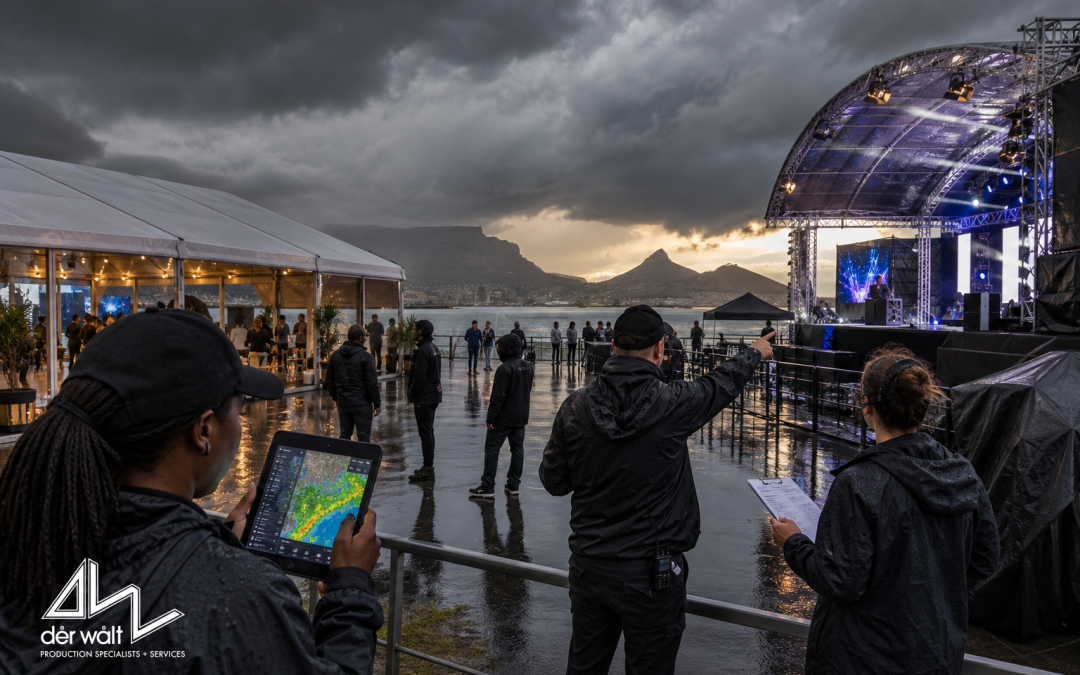
How to Build a Weather-Resilient Outdoor Activation Plan in South Africa
Outdoor activations in South Africa demand a proactive weather plan. This guide outlines practical steps to build a resilient event strategy, protect guests, and keep production on track, whatever the forecast.
Direct answer: Build a weather-resilient activation by defining clear weather thresholds, selecting wind- and rain-rated structures, securing on-site weather monitoring, and budgeting for contingencies to protect guests and keep uptime in South Africa’s climate.
Why weather planning matters for SA outdoor activations
South Africa’s climate is highly variable across regions and seasons. Cape Town experiences strong sea breezes and sudden squalls, Johannesburg can shift from calm to gusty winds in minutes, and coastal cities face humid thunderstorm risk in summer. A plan that anticipates these conditions protects attendees, staff, and the production schedule.
Beyond safety, weather resilience preserves audience experience and sponsor value. Delays, reconfigurations, or last-minute sheltering can derail show arcs, lighting cues, sound designs, and replay timelines. A documented weather strategy also supports compliance with event- and venue-specific safety requirements and helps coordinate with suppliers who rely on predictable conditions.
Key components of a weather-resilient plan
- Weather monitoring and data sources. Use a mix of long-range forecasts, site-specific forecasts, and on-site sensors. In South Africa, local updates from the South African Weather Service (SAWS) and reputable meteorological apps give timely alerts for lightning, wind, rain, and heat.
- Defined thresholds and decision logic. Create a simple decision tree for when to pause, delay, relocate, or cancel activities. Thresholds should cover lightning proximity, wind gusts, heavy rainfall, and extreme heat, with clear authority to act.
- Structural resilience. Select wind-rated tents, clear-span structures, and robust staging systems. Ensure tent anchors and ballast meet site conditions, and plan for shelter options that can be deployed quickly without compromising sightlines or accessibility.
- Power and data redundancy. Plan for backup power (generators or battery systems) and redundant communications so critical cues and safety announcements remain accessible during weather disruptions.
- Site layout and crowd management. Design venues with weather-aware circulation paths, sheltered queues, and weather-accessible restrooms. Consider storm-water drainage, sun protection, and shade for hot afternoons.
- Communications plan. Pre-brief staff, volunteers, and clients on weather procedures. Use audible alerts, digital screens, SMS notices, and social updates to inform attendees of status changes and access to shelters.
- Permits, safety compliance, and documentation. Align weather-contingency actions with venue permits, safety codes, and supplier warranties. Document escalation routes and recovery timelines for auditing and accountability.
- Budgeting and contingency. Allocate a dedicated contingency for weather-related changes, ideally a clearly defined percentage of the production budget and a separate line item for rapid response materials and staffing.
Practical steps for event teams
- Begin with venue- and region-specific climate risk assessments. Gather historical data on the venue’s typical seasonal patterns and known microclimates.
- Establish a weather-monitoring workflow. Assign a weather lead, subscribe to reliable forecasts, and set up on-site sensors if feasible.
- Develop a decision log. Predefine weather-triggered actions (pause, delay, relocate, or cancel) and confirm authority levels for on-site decision-makers.
- Design and test weather-ready infrastructure. Use wind-rated structures, sheltered queues, and robust staging with proper ballast. Pre-assemble safe shelter options to deploy rapidly.
- Secure power resilience. Ensure generators or battery backups can sustain critical systems for extended periods and through shifts in scheduling.
- Plan clear communications. Prepare audience-facing messages and staff briefings that reflect the decision thresholds and updated timelines.
- Run rehearsals that include weather scenarios. Simulate delays, shelter transitions, and audience egress to validate timing and resource needs.
Checklist: practical considerations at 72 hours, 24 hours, and go-time
- 72 hours: Confirm weather thresholds with all stakeholders; verify shelter inventory, anchors, and ballast are ready; check power backups and fuel supplies.
- 24 hours: Review forecast changes; confirm on-site weather monitoring equipment is functioning; ensure signage and PA systems are tested for weather alerts.
- Go-time: Monitor live conditions; trigger pre-defined actions; maintain open lines of communication with staff, vendors, and attendees.
Common mistakes and considerations
- Underestimating the speed of weather changes, especially in coastal and high-veld regions.
- Overreliance on a single forecast source without on-site validation.
- Inadequate shelter or wind protection, leaving attendees exposed during rain or gusts.
- Inflexible scheduling that cannot adapt to weather-driven delays or relocations.
- Failing to coordinate with all suppliers on contingency costs and timelines.
- Neglecting accessibility and safety during rapid shifts in weather, such as slick surfaces or crowd congestion near shelters.
FAQ
What weather data should I rely on for planning?
Rely on a mix of long-range climate data, venue-specific forecasts, and on-site measurements from reliable sources, including national services like SAWS and trusted commercial providers.
How do I decide when to delay or cancel?
Use predefined thresholds and a documented decision log that assigns authority to specific roles and describes specific actions matching the weather scenario.
What temporary structures are weather-safe?
Wind-rated tents, clear-span structures, and robust staging with proper ballast offer the best protection, while allowing for quick relocation or sheltering if conditions shift.
How should we communicate weather changes to attendees?
Provide timely, clear updates via PA systems, on-site screens, and SMS or app notifications, with a simple explanation of what to do and where to go for shelter.
What budget considerations are essential?
Include a dedicated weather contingency line item and factor in rapid-response costs for shelter deployment, power back-up, and staff overtime during weather events.
Sources
- ISO 20121: Event Sustainability Management System — International Organization for Standardization
- Event safety guidance — Health and Safety Executive (UK)
- HSG195: Event safety guide — Health and Safety Executive (UK)
- IAVM: International Association of Venue Managers — Safety, security and operations resources
- South African Weather Service — Local weather data and planning
Get in touch with DERWALT for weather-resilient activation planning
DERWALT specialises in experiential marketing, brand activations and end-to-end event production. Partner with us to design weather-aware activation strategies, from risk assessment to on-site execution and post-event review.
Recent Comments