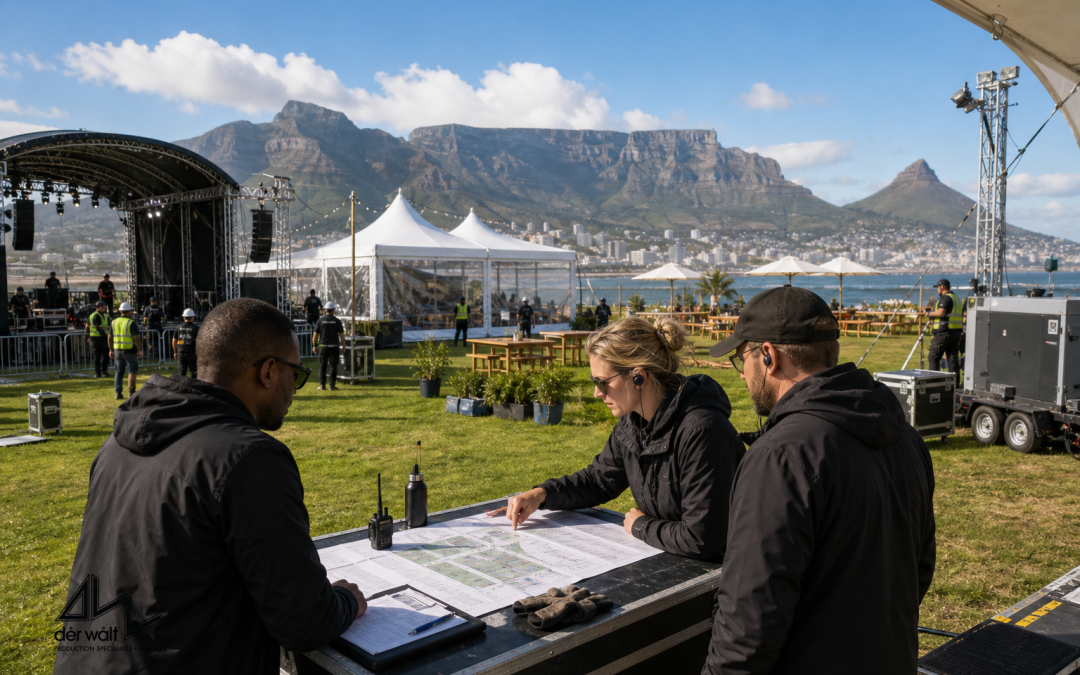
Weather-Resilient Planning for South African Outdoor Brand Activations
Developers and brands launching outdoor activations in SA need robust weather contingency plans. This article provides a practical framework for predicting risks, scheduling buffers, and coordinating safer, smoother live experiences across South Africa.
The first paragraph after the excerpt is a direct answer: A practical weather-contingency plan is essential for South Africa’s outdoor activations, and this guide provides a clear framework to predict risks, build contingencies, and coordinate with venues, suppliers and authorities for safe, successful events.
Why weather planning matters for South African activations
Outdoor activations carry more than logistical complexity in SA; weather can drastically influence safety, experience quality and budget. South Africa features diverse microclimates: coastal winds in the Western Cape, sudden thundershowers in summer, extreme heat inland, and occasional dust storms. A resilient plan reduces risk, preserves audience experience and protects brand value.
By planning for weather early, you align design decisions, schedule flexibility and supplier readiness. The result is fewer last‑minute changes, clearer risk ownership, and fewer disruptions for performers, crew and attendees. DERWALT can help integrate weather resilience into strategy, production management and on-site execution.
Key weather risks in South Africa
- Wind: Can affect structures, stages, tents and rigging, particularly in coastal cities like Cape Town and Port Elizabeth.
- Rain and thunderstorms: Sudden downpours can flood outdoor spaces, degrade AV systems and create safety concerns for crowd management.
- Heat and sun exposure: High daytime temperatures increase risk of dehydration, heat stress and crowd fatigue.
- Lightning: A major safety threat during summer storms, necessitating emergency shutdowns and safe stowage of equipment.
- Dust and sand: Dust storms and windy conditions can impair visibility and damage gear, especially in inland venues.
These risks vary by location and season. A South African event plan should reference local climate data for the venue and include a weather-triggered decision framework that guides production changes without compromising safety or the guest experience.
A practical contingency planning framework
Use a layered approach that covers design, scheduling, operations and governance. The framework below is adaptable for venues from city parks to waterfront precincts.
1) Map weather risk to the event plan
Collect historical weather data for the venue’s season and typical conditions during the event window. Map high-risk weather scenarios to critical activities (e.g., main stage performances, outdoor dining, crowd dispersal). This mapping informs decision thresholds and action triggers.
2) Define a weather-trigger decision matrix
Establish go/no-go criteria for key moments based on measurable factors (wind speed, precipitation probability, temperature, lightning proximity). Assign clear owners (production, safety officer, venue) and document the required actions for each trigger.
3) Design for resilience from the ground up
Choose flexible, weather-tolerant production options. Use modular staging, wind-stable rigging, robust tenting with appropriate anchoring, and water-resistant AV gear. Plan for rapid enclosure of outdoor areas or swift relocation to an indoor fallback if feasible.
4) Build scheduling buffers and alternative flows
Incorporate buffer blocks into the run of show to absorb weather delays. Prepare alternative indoor or semi-outdoor layouts and standby schedules for performances, activations and guest experiences.
5) Ensure equipment readiness and redundancy
Pair primary systems with redundant power, lighting and communications where appropriate. Verify generator reliability, battery backups, weatherproofing, and quick-access spares for essential gear.
6) Plan safety, crowd management and communications
Develop evacuation routes, muster points and access for emergency services. Implement a robust communications plan (PA, radios, mobile alerts) so staff can respond quickly to changing weather conditions.
7) Align permits, governance and obligations
Review permit conditions related to weather, noise, closures and contingency changes. Confirm with authorities that weather-driven schedule shifts remain compliant and that on-site safety waivers are in place.
8) Budget and contract strategies for weather risk
Embed a weather contingency into the production budget and contract terms with suppliers. Use force majeure and weather-related change clauses thoughtfully to balance risk with predictable costs.
9) Pre-event checks, rehearsal and day-of execution
Conduct weather risk briefings with the crew, test all weather-affected workflows, and confirm contingency participants (backup venues, transport, shelter options) well ahead of doors open.
10) Post-event debrief and learnings
Capture lessons on weather performance, equipment resilience and decision timing to improve future activations. A formal debrief helps refine risk registers and vendor contracts.
Practical steps you can implement this quarter
- Create a one-page weather risk card for your event location with local SAWS data and venue-specific thresholds.
- Draft a go/no-go matrix with roles clearly assigned to production, safety and venue teams.
- Select modular, weather-resistant structures and ensure anchors and tie-downs meet local standards for wind loads.
- Pre-approve an indoor or sheltered fallback area with access for guests, performers and crew.
- Include a weather contingency budget line and negotiate flexible terms with key suppliers.
By implementing these steps, brands reduce the likelihood of weather-driven disruptions and preserve audience experience. The approach also supports safer operations and clearer accountability across the event supply chain in South Africa.
Common mistakes and important considerations
- Underestimating wind impact on tents and rigging. Always specify wind-load requirements and conduct site-specific risk assessments.
- Failing to plan for rapid changes in schedule. Build in explicit, rehearsed contingency procedures and staff drill time.
- Neglecting power reliability. Weather events often coincide with electricity disruptions; secure backup power options and fuel management.
- Ignoring local permitting nuances. Weather-driven changes can affect road closures, noise limits and venue access; confirm early with authorities.
FAQ
What is the first step in weather-contingency planning?
Identify the venue’s typical climate and the event’s critical activities to determine which parts must stay operational regardless of weather.
How should we structure a weather contingency plan?
Create layered strategies: design decisions, schedule buffers, alternate layouts or venues, and a clear decision-making process with responsible owners.
What safety considerations apply to outdoor SA events?
Prioritize crowd management, clear evacuation routes, emergency access for services, and reliable communications to guide guests safely during weather events.
Who should be involved in contingency planning?
Involve the producer, venue management, safety officer, key suppliers, and local authorities to ensure alignment and rapid action when needed.
How do we budget for weather contingencies?
Include a dedicated contingency line in the budget and build flexible contract terms with suppliers to cover weather-driven changes without compromising safety.
Sources
- South African Weather Service — National weather data and forecasts for SA venues
- ISO 20121: Sustainable events management — Global standard for event sustainability and risk management
- HSE Event safety guidance — Principles for safe, well-managed large events
- IAVM Resources — Risk management and venue operations guidance
Ready to plan weather-resilient activations with DERWALT?
Reach out to DERWALT to discuss end-to-end planning, production management, safety, and logistics for your next outdoor activation in South Africa.
Recent Comments