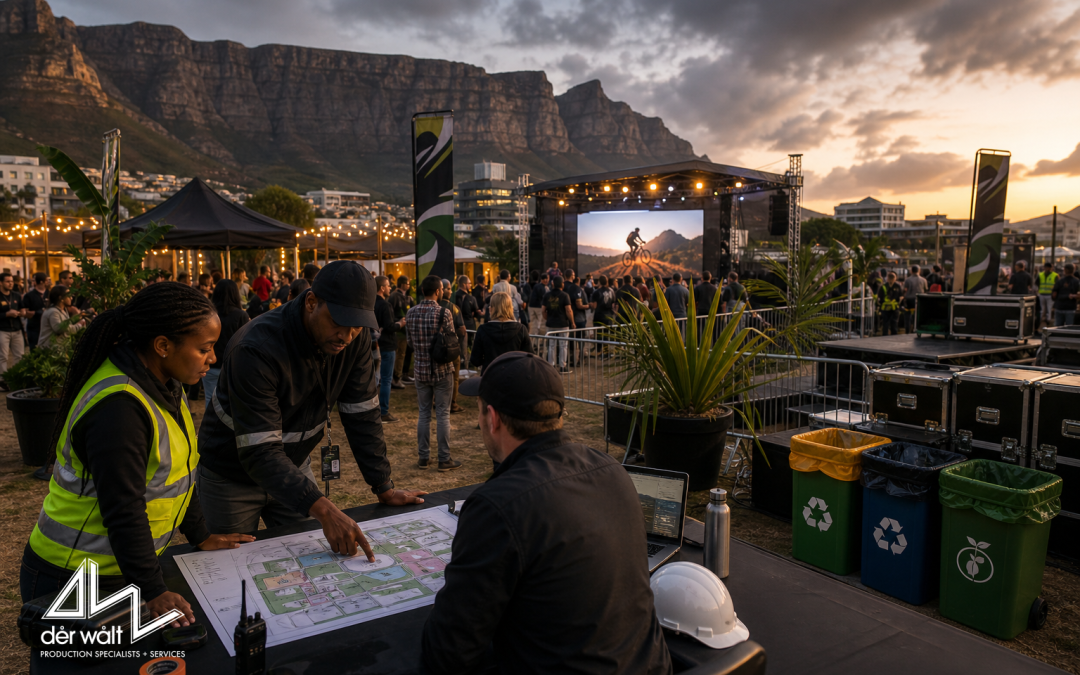
Planning a Sustainable, Safe Outdoor Brand Activation in South Africa
Planning an outdoor activation in South Africa? Learn a practical, safety-first workflow—from permits and weather planning to power, transport, and sustainability—that keeps your brand experience impactful and compliant.
Direct answer: Begin with a formal risk assessment, secure the necessary permits, and establish safety, power, transport, and sustainability plans, all aligned to international best practices and South African regulations.
Why this approach matters in the South African context
Outdoor activations in SA must contend with diverse climates, urban capacity, and a complex permitting landscape. From heat and occasional storms on the Highveld to coastal weather in KwaZulu-Natal, weather can be as much a risk as crowd management. Permitting processes vary by municipality and precinct, and there are strict safety expectations for temporary structures, electrical installations, and food and beverage service. A structured, proactive plan reduces last‑minute scrambles, lowers risk, and improves audience experience.
Using a coordinated framework helps align your activation with both global standards and local realities. The International Standards Organization’s sustainable-events guidance (ISO 20121) supports integrated management of social, environmental, and economic impacts. Pair that with established safety guidance from reputable sources and local weather intelligence to strengthen planning and execution.
Foundational planning steps you can apply now
- Define objectives and audience. Clarify message, experiential goals, target demographic, and venue constraints. A tight brief informs every subsequent decision from site selection to content rights and staffing.
- Site selection and permits. Assess venue layout, access, power opportunities, and potential disruption to traffic or neighbours. Identify required permits (land use, road closures/temporary traffic management, noise or alcohol permits, food handling, and electrical installations) early and build a timeline with responsible owners and authorities.
- Risk assessment and safety planning. Conduct a formal hazards‑and‑controls review, rating risk levels, and detailing mitigations. Establish emergency procedures, crowd management plans, first aid, and clear wayfinding. Document roles for security, event marshals, and venue staff.
- Power, lighting and technical planning. Decide on mains supply, generators, or hybrid solutions. Plan for redundancy, fuel management, and on-site electrical safety, including cable protection and weatherproofing for equipment.
- Logistics and transport. Map access routes, loading bays, vehicle marshalling, and parking. Align transport with expected footfall, provide clear signage, and coordinate with local authorities and venue operators to minimize disruption.
- Audience experience and accessibility. Ensure inclusive access, clear wayfinding, and comfortable viewing lines. Provide sensory considerations (sound levels, lighting) that respect neighbours and minimise disruption to nearby residents or businesses.
- Sustainability and procurement. Integrate waste management, material choices, and supplier take-back where possible. Favor reusable or recyclable elements, local sourcing, and supplier diversity to align with responsible procurement practices.
- Budgeting and timeline. Build in contingency for weather, permits, permits delays, and last‑mile logistics. Create a phased timeline with check-ins for each major milestone.
- Weather contingency planning. South Africa’s climate is variable; plan for heat, rain, and wind. Have sheltering options, cooling zones, shade structures, and rain plans that keep audiences comfortable and safe.
- On-site operations and staffing. Establish briefing materials, health and safety training, and a clear chain of command. Ensure communications tools (radios, mobile apps) work across the venue and with your team and contractors.
- Post-event cleanup and measurement. Define a cleanup protocol, waste removal partners, and a reporting framework to capture learnings, environmental data, and audience feedback.
Practical guidance: a simple, repeatable workflow
Use this checklist as a practical model for SA activations, adjusting for event size, location, and regulatory context:
- Regulatory readiness: List all permits early, assign owners, and create a 6–8 week calendar for submissions and approvals. Include a dedicated contact for compliance questions.
- Site and safety design: Map tent lines, stages, food zones, crowd flow, emergency exits, and medical posts. Ensure escape routes are clearly signposted and kept free from obstructions.
- Electrical integrity: Use weather‑resistant cabling, protected distribution boards, and tamper‑resistant fittings. Keep generators away from spectator areas and ensure fuel storage complies with local codes.
- Accessibility and inclusion: Provide barrier-free access, seating, and viewing options. Use high-contrast signage and consider hearing/visual accessibility in activations with audio-visual components.
- Sustainability at the core: Choose durable, reusable assets; source locally where possible; implement a clear waste separation system; engage a licensed waste contractor; avoid single‑use plastics; plan for material take‑back with exhibitors and partners.
- Supplier and venue coordination: Establish a single point of contact for each critical supplier (power, build, sound, catering) and schedule pre‑event site walks. Align all contractors on safety standards and reporting requirements.
- Communications and contingency: Maintain a robust communications plan for staff, security, and media. Prepare weather and contingency messages for different scenarios (delay, cancellation, partial opening).
- Measurement and reporting: Define success metrics (attendance flow, dwell time, engagement, waste diverted). Capture post‑event learnings to improve future activations.
Risk management and safety: key considerations
Safety is not a single task but a continuous discipline. In SA, you should align with established safety practices while acknowledging local conditions. A practical approach includes:
- Conducting a formal risk assessment early and updating it as plans evolve.
- Assigning clear roles for safety, security, medical support, and operations, with defined escalation paths.
- Verifying queuing, crowd flow, and access control to prevent overcrowding and ensure efficient evacuations if needed.
- Planning power distribution with redundancy and local compliance to prevent electrical hazards.
- Partnering with licensed waste contractors for on-site disposal and post-event cleanup to meet environmental responsibilities.
Weather planning and climate resilience
South Africa’s climate varies by region and season. Prepare by monitoring forecast data from credible sources ahead of time and across event days. Provide shaded areas, hydration stations, misting or cooling zones for hot periods, and weather‑resilient shelter for rain. Have a clear plan for wind thresholds that may require structural checks or closure of certain elements.
Budgeting for success and avoiding surprises
Incorporate risk-based allowances for permits, security, power, and safety equipment, plus a dedicated contingency fund (commonly 5–15% of the overall budget, depending on risk). Build in transparent cost categories for each major element (site, build, tech, power, transport, safety, sustainability, cleanup) and set approval gates for changes. Local procurement, where feasible, can reduce lead times and support the broader community while improving supply chain reliability.
FAQ
What permits are typically required for outdoor activations in South Africa?
Permits commonly include land use or occupancy permits, temporary road closures or traffic management plans, noise licenses, food handling approvals, and electrical installation authorisations. Requirements vary by municipality and venue, so start early and maintain a formal permit timeline.
How do you create a risk assessment for a large-scale activation?
Identify all potential hazards (crowd movement, electrical work, weather, medical needs, access routes), rate their likelihood and impact, and define controls. Document residual risk and assign owners for ongoing monitoring during planning and on the day.
How can you ensure sustainability and minimize waste on-site?
Choose durable or reusable assets, source locally, and implement a clear on-site waste‑sorting system with separate streams for recycling and organics. Partner with a licensed waste contractor for post‑event cleanup and require exhibitors to use take‑back programs for materials.
What contingency plans should you have for weather in SA?
Have shelter options (tents, shade structures), cooling zones for heat, and a rain plan with covered walkways. Establish thresholds for delaying activities or closing sections if wind, lightning, or heavy rain create safety risks.
How should brands approach budgeting for an activation in SA?
Build a detailed cost map including permits, safety, power, logistics, and sustainability. Include a contingency (typically 5–15%), and account for potential delays in approvals, weather, and supplier lead times.
Sources
- Event Safety Guide (Purple Guide) — UK Health and Safety Executive
- Event Safety Alliance — Industry safety practices and resources
- South Africa Weather Service — Weather planning for outdoor events
- Greening Events Toolkit — U.S. Environmental Protection Agency
- ISO 20121: Sustainable Events Management — International Standards Organization
Partner with DERWALT for your next activation
If you’re planning an experiential activation, a live event or a multi‑venue brand experience, DERWALT can support end‑to‑end event delivery—from strategy and production management to on‑site logistics, safety coordination, and post‑event sustainability reporting. Let us help you design an activation that resonates with audiences while staying safe, compliant and efficient.
Recent Comments