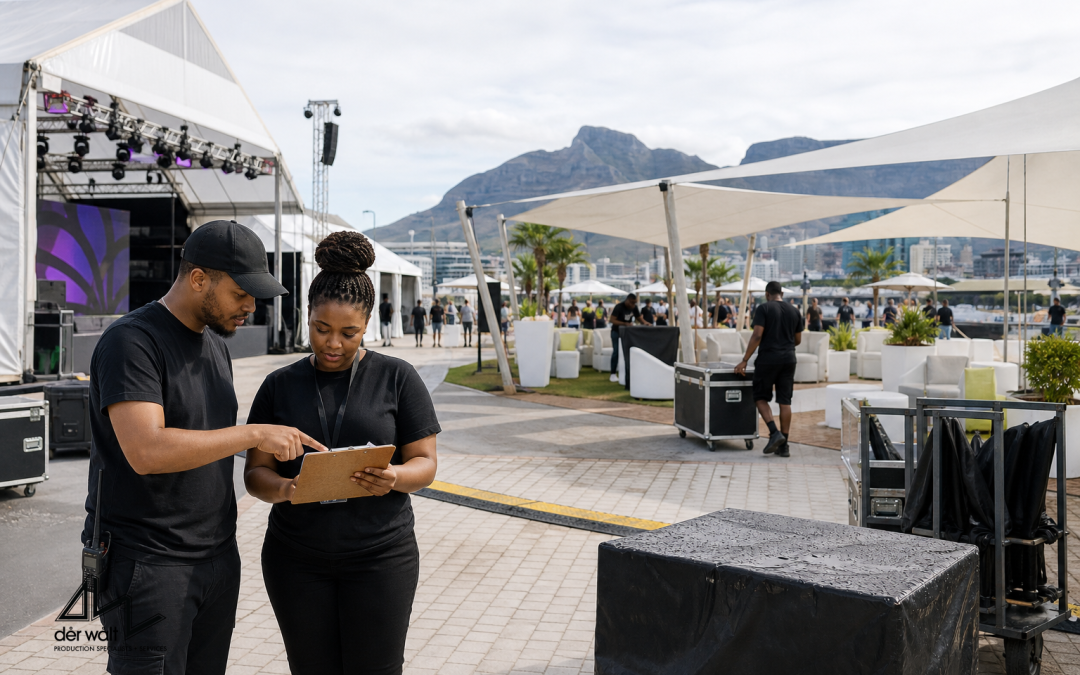
How to Plan a Weather-Ready Brand Activation in South Africa
This guide outlines practical steps for SA brands and agencies to design and execute resilient activations, balancing procurement, venue choices, transport, safety, budgets, and timelines in variable weather and regulatory conditions.
In South Africa, live activations offer powerful, tangible ways to connect brands with audiences. However, the success of these experiences hinges on robust planning that accounts for local realities: regional weather variation, a diverse supplier network, transport realities across major urban centres, and strict safety and compliance expectations. By embedding weather resilience, local procurement practices, and realistic production timelines into the early stages of concept development, brands can reduce risk and increase the likelihood of a smooth activation, regardless of the day’s forecast.
Understanding the SA context: weather, logistics, and compliance
Weather in South Africa is highly variable between regions and seasons. From coastal winds in the Western Cape to heat and gusts in Gauteng, conditions can quickly shift and impact audience comfort, equipment safety, and on-site crowd dynamics. Planning should include weather monitoring, contingency spaces, shade structures, hydration stations, and contingency schedules to minimize disruption.
Weather as a planning variable
Integrate a formal weather contingency into the activation brief. This means identifying areas with cover or sheltered pathways, selecting equipment rated for local humidity and heat, and scheduling high-energy activities during cooler parts of the day when possible. Build a decision tree for on-the-day changes—when to move activities indoors, pause performances, or adjust crowd flows. While we cannot guarantee weather outcomes, proactive risk assessment and flexible design reduce potential delays and safety concerns.
Regulatory and safety considerations
Event production in SA must comply with local safety regulations, labour standards, and site permissions. Engage early with venue management and, where applicable, municipal authorities to clarify permits, capacity limits, electrical safety, fire safety, and crowd management requirements. The Occupational Health and Safety Act (OHSA) and related regulations provide the framework for risk assessments, training, and on-site safety practices. While the exact requirements vary by location, embedding risk assessment, safe setup procedures, and clear emergency protocols into the planning phase is universally prudent.
Practical planning steps for a weather-ready activation
Venue selection and access considerations
Choose venues with flexible layouts, contingency spaces, and reliable power sources. Indoor-outdoor hybrids or venues with covered plazas can help mitigate weather risk. Evaluate access for load-in/load-out, proximity to transport hubs, and the availability of on-site staff for safety briefings and crowd management. Ensure the venue can support your technical needs—power distribution, data connectivity, and shelter for guests and equipment. Map emergency exits, first-aid points, and weather shelter options to reduce response times during incidents.
Procurement and working with local suppliers
South Africa’s supplier ecosystem favors local partners who understand regional constraints and procurement cycles. Start supplier conversations early; define clear lead times for each discipline (staging, power, fabrication, graphics, IT). Use written briefs, clear payment terms, and risk-sharing arrangements for supply delays due to weather or transport disruptions. Maintain a short list of approved vendors for critical items (tents, generators, climate-controlled units, medical responders) to avoid last-minute substitutions that could compromise safety or quality.
Logistics, transport, and crowd management
Plan for traffic patterns, peak travel times, and potential security considerations in major cities. Build staggered load-ins to minimize on-site congestion and to keep guest flows smooth. Consider on-site storage for equipment and spare parts, plus a robust plan for weather-related equipment protection (covers, anti-wear cable management, and theft-prevention measures for open-air components). For larger activations, partner with logistics providers who understand local routes, permit requirements, and compliant waste management practices.
On-site safety, risk assessment, and contingency measures
Develop a live risk register with assigned owners for each risk (weather shifts, power interruptions, crowd surges, medical incidents). Implement daily safety briefings and a clear on-site command structure. Train staff in emergency procedures and designate assembly points. Have contingencies for critical elements (e.g., fallback AV rigging, backup power, alternate stages, or a plan to relocate performances to a covered area). Transparent communication with clients and venue teams about contingencies builds trust and reduces last-minute surprises.
Budgeting, timelines, and contingency planning
Budgets and timelines should reflect the realities of local procurement and field conditions. Build a base budget with explicit line items for weather protection, contingency allowances, and permit fees. An explicit weather contingency (for example, 5–10% of the production budget, or a time-based contingency) can cover unexpected shelter, equipment rentals, or additional staffing required by adverse conditions. Production timelines should include defined milestones for concept sign-off, supplier confirmations, and permit approvals, plus buffer periods for weather-related delays. In SA, lead times for permits and venue changes can be longer than anticipated, so plan early and maintain open channels with all stakeholders.
Creating a realistic production schedule
Begin with a high-level timeline that works backward from the activation date. Identify critical build windows, permit submission deadlines, and delivery schedules for essential equipment. Factor in transit times between major hubs (e.g., Johannesburg, Cape Town, Durban) and potential delays caused by logistics handoffs. Build parallel tracks for creative development, technical planning, and risk mitigation so that if one track slips, another can continue to maintain overall progress. Regular status reviews with internal teams and external partners help keep everyone aligned and responsive to changing conditions.
DERWALT’s end-to-end approach to weather-ready activations
DERWALT operates at the intersection of experiential branding, live events, and production management. Our approach focuses on clarity, speed, and safety—delivering end-to-end capability that reduces risk and accelerates delivery for brands and agencies planning SA activations.
Strategic planning and concept alignment
We help translate creative concepts into executable production plans that account for local realities. This includes creating a risk-aware timeline, identifying local suppliers, and outlining contingency paths tied to weather and regulatory conditions. By aligning the brief with production feasibility early, we can better forecast needs and manage budgets from the outset.
Production management and on-site coordination
From design and fabrication through to rigging, power, audio-visual, and stage management, our production team coordinates complex logistics with a focus on safety and reliability. On event days, a clear on-site command structure minimizes confusion and ensures rapid response to any weather or operational change.
Supplier coordination and local procurement
We prioritise local suppliers to support procurement timelines, reduce transit risk, and align with SA market conditions. Our approach includes vetting partners for safety compliance, insurance coverage, and scalable capacity to respond to fluctuating guest numbers or weather-driven changes to the program.
Safety-first culture and compliance
We integrate OHSA-aligned risk assessments and emergency planning into every activation. Staff training, site safety briefings, and validated emergency procedures form the backbone of on-site operations, ensuring we protect audiences, staff, and clients alike while meeting regulatory expectations.
Sources
- South African Weather Service — Government of South Africa
- SABS — South African Bureau of Standards
- Occupational Health and Safety Act (OHSA) — Department of Employment and Labour
- ISO 20121: Event sustainability management — International Organization for Standardization
Ready to plan your activation with DERWALT?
Let’s discuss how DERWALT can support your weather-ready activation or end-to-end event-production needs. Our team brings experiential marketing expertise, production management, and local supplier coordination to every project, helping brands and agencies deliver impactful experiences with confidence.
Recent Comments