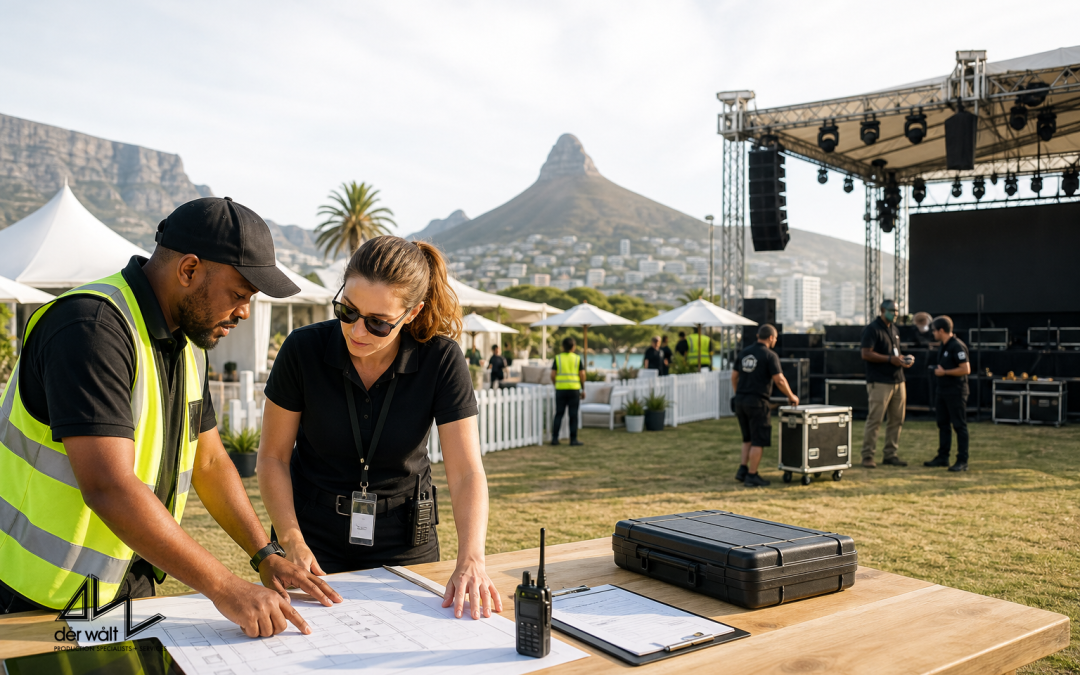
Outdoor Event Planning in South Africa: A Practical Guide for Brands and Agencies
From weather planning to supplier coordination, this practical guide helps brands, agencies and event teams navigate outdoor activations in South Africa. Learn risk management, procurement strategies, and timeline tactics to deliver safe, cost-efficient experiences.
Why outdoor activations demand meticulous planning in South Africa
Outdoor activations in South Africa present a unique mix of opportunities and risks. Diverse climates—from coastal wind in Cape Town to thundershowers in Gauteng and high heat in parts of the Lowveld—mean that a plan built for one city will not automatically translate to another. Additionally, transport intricacies, power reliability, and labour considerations are highly contextual in South Africa. To deliver a seamless experience, brands and agencies must fuse creative concepting with robust operational planning, drawing on local suppliers, regulatory requirements, and realistic production timelines.
Weather, climate and environmental readiness
Understand regional variability
South Africa’s weather is highly regional and can shift rapidly. Outdoor activations should assume variability rather than predictability. A well-designed plan includes flexible schedules, shaded areas, wind-rated shelter, and clear contingencies for heat, rain, or strong winds. These considerations are not only about guest comfort but also about protecting equipment and ensuring performer and crew safety.
Practical weather monitoring and response
Establish a daily weather briefing with a trustworthy local source such as the South African Weather Service. Use trigger points to initiate contingency actions (e.g., relocating activities indoors, extending break periods, or deploying protective coverings). Maintain up-to-date guest communications through on-site screens and mobile channels to keep attendees informed of changes without creating confusion.
Power, shelter and equipment integrity
Outdoor events depend on reliable power and weather-resilient infrastructure. Plan for adequate power distribution, temperature control for technical gear, and weatherproofing for outdoor AV and lighting. In coastal venues or exposed sites, verify wind ratings for tents, stages, rigging, and temporary structures, and have a clear plan for securing equipment against sudden gusts.
Procurement and budgeting in the South African market
Source and vet local suppliers
South Africa’s supplier market for events is broadly mix of small and medium enterprises and larger service providers. Prioritise local sourcing to reduce transport risk and support community businesses. Use the Central Supplier Database (CSD) to identify registered suppliers, verify credentials, and align with your procurement policy. Early engagement helps with price stability and supplier capacity planning.
Contracting, insurance and risk
Draft clear scopes of work, service levels and payment terms. Confirm insurance coverage, safety records, and qualifications for each contractor, especially for rigging, electrical work, and on-site safety roles. A robust contractor management process minimizes onsite miscommunication and safety risks.
Budgeting for contingencies and local realities
Include a contingency line—typically 10–15% of the project budget—to cover weather adjustments, power outages, transport disruptions, or last-minute supplier changes. Consider local factors such as load shedding, fuel costs, and urban traffic when validating timelines and cost estimates. A formal change-control process helps manage scope changes without derailing the activation.
Venue, transport and site logistics
Venue selection and access
When choosing a venue, assess accessibility for load-in/load-out, parking capacity, and proximity to public transport or major arterials. Urban centres can pose congestion and parking challenges; rural venues may require generator power and satellite connectivity. Ensure the venue has the necessary permits and that you have a clear plan for ingress/egress routes for guests and crew.
Power, connectivity and on-site infrastructure
Coordinate with the venue on power availability and the viability of backup generation. Plan for power distribution, cable runs, and safety in high-traffic areas. If registration, cashless payments, or live streaming are part of the activation, confirm that data networks and Wi‑Fi coverage meet your needs and have contingency options if networks fail.
Accessibility, safety and crowd management
Adopt inclusive design principles—accessible entrances, clear signage, and well-lit pathways. Implement crowd management strategies such as controlled entry points, queuing systems, and visible security presence. In SA, where public events may attract large crowds, it’s vital to coordinate with local authorities and venue security teams to ensure safety and compliance.
Safety, compliance and labour considerations
In South Africa, occupational health and safety considerations are mandatory for public gatherings. A formal risk assessment and emergency response plan should underpin every activation. On-site safety roles—such as a safety officer—should be clearly defined, with trained staff overseeing electrical safety, rigging, and emergency procedures. While this article outlines practical steps, always verify current legal requirements with official sources.
Regulatory context and permits
Municipal requirements for events vary, so secure the necessary permits well in advance and maintain documentation on-site for inspections. This includes fire safety approvals, crowd-control authorisations, and venue-specific rules. Consulting the official government resources helps ensure alignment with current regulations.
Labour, contractors and on-site teams
Develop a robust contractor management plan that aligns with SA labour regulations. Ensure fair remuneration, safety training, and clear on-site roles and communication channels. A single point of governance for onboarding and credentialing reduces friction on production days and improves safety outcomes.
Production timeline and vendor coordination
A realistic, milestone-driven production schedule is essential to prevent last-minute rushes and budget overruns. Start with the activation concept and translate it into a critical path that covers design, build, rehearsals, and show days. Engage suppliers early to secure preferred equipment and space for contingencies. Use formal change requests to manage scope adjustments and keep the project on track.
On-site coordination, rehearsals and contingency planning
Assign a dedicated on-site production lead responsible for coordinating contractors, schedules, and safety checks. Develop thorough load-in and load-out checklists, and conduct rehearsals where feasible. Prepare for potential power outages, weather disruptions, or transport delays with clear, rehearsed response actions and an open line of communication with the client team.
Practical checklist for SA outdoor activations
- Define objectives and align with the brand strategy and activation goals.
- Secure a venue with adequate power capacity, permissions and access.
- Develop a comprehensive weather contingency plan and on-site shelter strategy.
- Source local suppliers via the Central Supplier Database; verify insurance and safety records.
- Set a realistic production timeline with critical path milestones and buffers.
- Coordinate transport, parking, and shuttles; plan for load-in/load-out windows.
- Prepare permits, risk assessments and emergency response plans.
- Ensure accessibility and inclusive facilities; implement clear signage and wayfinding.
- Budget for contingencies (10–15%), power reliability, and potential surcharges.
- Assign an on-site safety officer and establish clear communication channels.
- Plan for data capture, registration and digital payments if used.
- Conduct a post-event debrief to capture learnings for future activations.
Sources
- South African Weather Service — Government of South Africa
- Occupational Health and Safety Act 85 of 1993 — South African Government
- Central Supplier Database (CSD) — National Treasury
- eTender Publication Portal — South African Government
- Event Safety Guide — Event Safety Alliance
Partner with DERWALT for your experiential activations
DERWALT provides end-to-end experiential marketing, activation and event-production services across South Africa. From strategy and production planning to on-site delivery, we coordinate logistics, supplier coordination, content creation and full activation execution to help brands achieve impactful, safe and memorable experiences. Reach out to discuss how we can support your next activation, festival, or corporate event.
Recent Comments