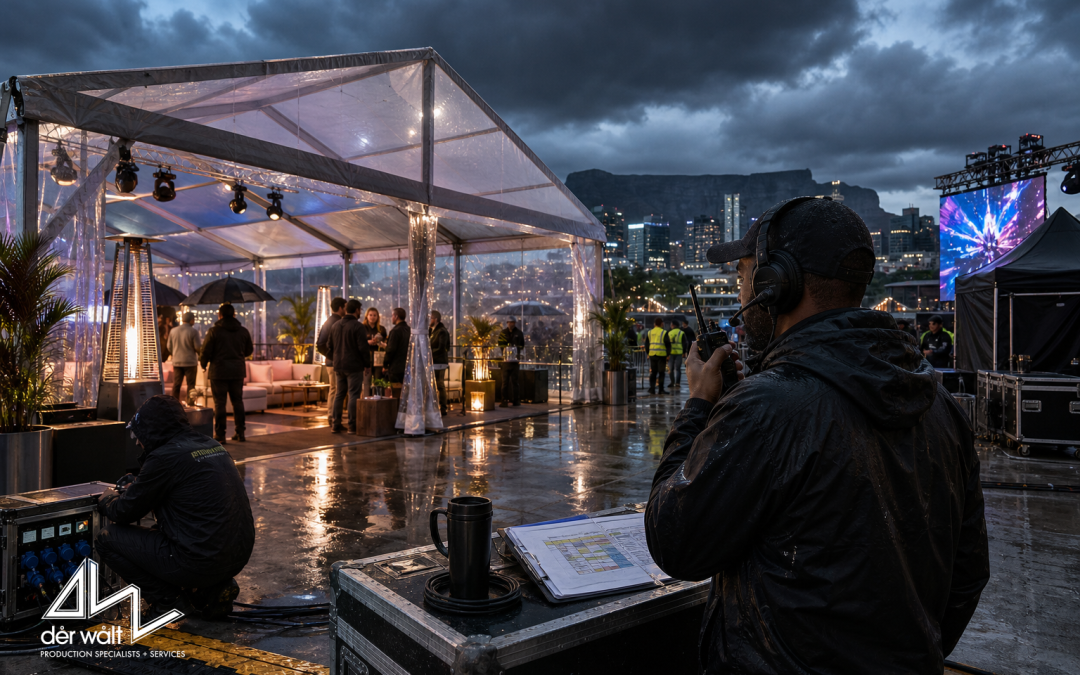
Weather-Ready Outdoor Activations: A Practical South African Playbook
In South Africa, outdoor activations demand robust weather planning, local procurement, and strict safety compliance. This guide offers practical steps for brands, agencies and venues to manage risk, timelines and budgets across the production lifecycle.
Why weather-ready planning matters for outdoor activations
Outdoor experiential campaigns bring energy, immediacy and shareable moments. But South Africa’s climate is diverse and seasonal, with sudden changes in temperature, wind, rain or heat possible in many regions. A well-structured weather contingency reduces risk, protects people and assets, and keeps the activation on track. While the core creative may stay constant, the execution logic—timelines, power, shelter, and safety—must be adaptable. This is not just about avoiding rain days; it’s about turning potential disruptions into controlled, safe, and memorable experiences.
Start with a robust risk assessment
Begin with a formal risk assessment that identifies weather-related hazards (wind, lightning, heavy rain, heat), venue constraints, and crowd-management challenges. Assign owners to each risk and define triggers for action (e.g., weather stats from a trusted local source reaching a threshold). Document decision-making criteria so the team can respond quickly when conditions shift. Practical note: risks evolve with location and season, so revisit the assessment during planning milestones and lead times.
Build a weather contingency plan
A contingency plan should cover options such as indoor backup space, shaded structures, energy-efficient heating or cooling, and an evacuation or pause procedure. The plan also needs logistical contingencies: alternate power supplies, backup catering, and spare equipment. In practice, create a tiered response with stages (green: go as planned, amber: adjust timing or layout, red: pause or relocate). This approach helps maintain safety, keeps stakeholders aligned, and protects the guest experience.
Practical steps for a weather-resilient activation
Venue and permits consideration in SA
When selecting a venue, evaluate ingress/egress for crowds and supply chains, access for vehicles and generators, and the availability of indoor options if weather deteriorates. In South Africa, permits and approvals often hinge on local authorities, venue policies, and potentially road or noise restrictions. Build lead times for permits into your project plan (these can vary by city and event type) and maintain open lines of communication with the venue operations team. If a venue offers a hard roof or a flexible layout, it can significantly reduce risk during unpredictable weather.
Power, water, and infrastructure planning
Outdoor productions rely on reliable power and clean water access. Plan for on-site power generation, load distribution, and fuel logistics, especially if you’re in areas with limited grid capacity or complex nuisance-power issues. Weatherproof cable management, weather-resistant lighting, and sheltered control points minimize downtime. Probe perimeter safety, fire safety, and emergency egress routes; ensure there are clear plans for weather-triggered shutdowns and safe off-loading of equipment during storms.
Local procurement and safety considerations
Working with local suppliers and BBBEE considerations
South Africa’s vibrant events ecosystem benefits from local suppliers, SME participation and fair procurement practices. When sourcing decor, staging, power, transport and catering, prioritize verified suppliers with a track record in events. If your procurement strategy includes B-BBEE objectives, include supplier development and preferential procurement in the RFPs, and request documentation that demonstrates compliance. Clear, written service-level expectations help avoid delays and scope creep. Note that lead times for equipment rentals, safety gear, and specialist services can vary seasonally, so plan early.
Labour, safety compliance and training
Compliance with the Occupational Health and Safety Act and related regulations is essential for event sites in SA. Build a site induction for all staff and contractors, clarify roles and responsibilities, and verify qualifications for rigging, electrical work, and drive-and-operate tasks. Use risk-based PPE according to tasks, and ensure that on-site safety plans account for weather-specific hazards (e.g., heat stress, dehydration, slip hazards on wet surfaces). Engaging a qualified safety officer or safety consultant can help align with statutory requirements and industry best practices.
Production timeline and budgeting considerations
Effective weather-ready planning depends on integrated scheduling. In SA, permits, road closures, and venue coordination often require longer lead times than standard production tasks. Build a realistic timeline that factors in:
– Early-stage risk assessments and concept sign-off
– Vendor RFPs and contract negotiations with buffer for weather-related changes
– Permit applications and venue confirmation with explicit weather contingencies
– Logistics planning for generators, shelter structures, and cooling/heating solutions
– Rehearsals or run-throughs with weather checks on the day
A practical approach is to set a primary schedule and a clearly documented fallback plan with a defined cost envelope for contingencies. Costs can shift quickly in SA due to transport, power and security requirements, so maintain a dynamic budget that flags contingency spend separately.
DERWALT can support brands and agencies across the lifecycle of an activation—risk management, logistics, content coordination, and on-site production leadership. In a complex environment, having a single partner accountable for end-to-end delivery reduces friction and accelerates decision-making when weather or supply chain shifts occur. The key is clarity: define responsibilities, decision rights, and a shared playbook before the first quote is signed.
Weather-aware content and on-site execution
Content must adapt to changing conditions without diluting the core message. Consider modular creative concepts that can scale up or down and translate well across both outdoor and sheltered spaces. On-site execution requires flexible stage management and reliable cue-to-cue communication, so setup plans include text-based alert protocols, satellite feeds for timing shifts, and robust communication tools among crew members. A well-executed, weather-aware activation maintains audience engagement while protecting staff and assets.
Quality control and post-event learnings
Post-event debriefs should evaluate weather handling, safety incidents (if any), supplier performance, and the effectiveness of contingency measures. Document lessons learned to inform future activations, and track actual vs. planned weather-related adjustments for improved accuracy in budgeting and scheduling. This continuous improvement mindset helps build credibility with clients and stakeholders and strengthens DERWALT’s offering in a competitive market.
Sources
- Occupational Health and Safety Act (Act 85 of 1993) – South Africa — Government of South Africa
- South African Weather Service — Weather planning and advisories for events
- South African Bureau of Standards (SABS) — Safety and compliance resources
- Department of Trade, Industry and Competition — BBBEE and supplier development guidance
Let’s bring your activation to life
Ready to plan and deliver a weather-ready, safety-compliant activation? DERWALT provides end-to-end experiential marketing and event production support across South Africa. Get in touch to discuss scope, timelines and budgets for your next brand activation or live event.
Recent Comments