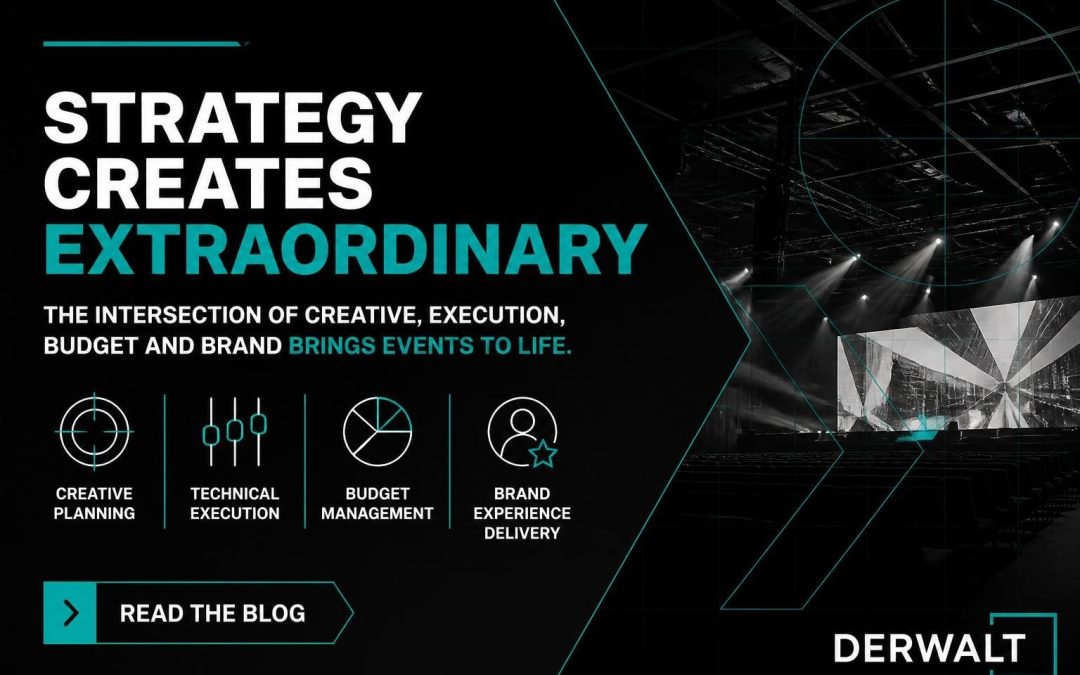
Planning a successful work event requires more than booking a venue and sending calendar invites. In 2026, corporate events serve as strategic tools for brand positioning, talent retention, and stakeholder engagement. Organizations invest significant resources into these experiences, expecting measurable returns through enhanced culture, strengthened relationships, and clear business outcomes. The difference between an event that delivers value and one that wastes budget lies in production intelligence, strategic planning, and flawless execution.
Strategic Foundation for Corporate Event Success
Every work event begins with clear objectives. Without defined goals, production decisions lack direction and budget allocation becomes arbitrary. Organizations must identify whether their event serves recruitment, client engagement, product launch, team building, or stakeholder communication purposes.
Strategic objectives drive every production decision:
- Revenue generation through client engagement
- Talent retention via culture reinforcement
- Brand positioning in competitive markets
- Knowledge transfer across departments
- Relationship building with key stakeholders
Setting measurable targets transforms vague aspirations into actionable benchmarks. Rather than hoping for "better engagement," define specific metrics: attendee satisfaction scores above 85%, three qualified leads per sales representative, or 90% employee participation rates. Employee engagement events create tangible value when organizations measure outcomes against predetermined success criteria.
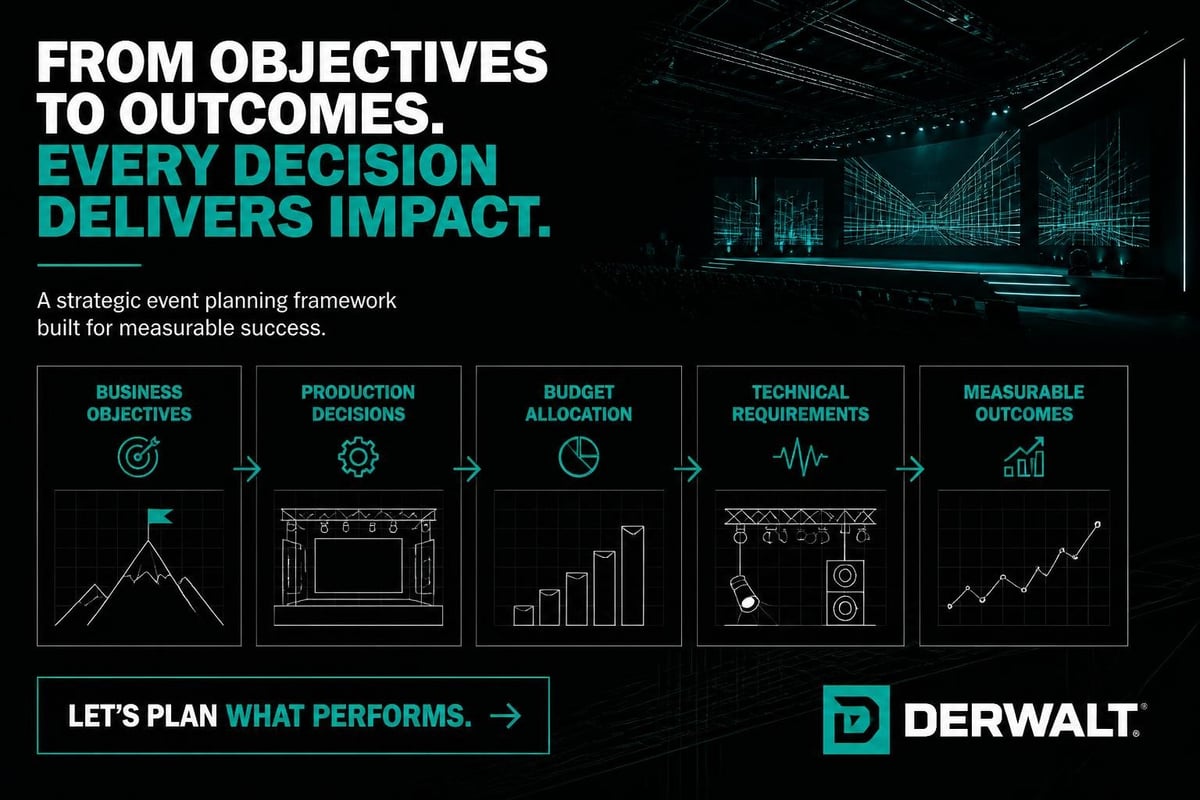
Budget parameters establish realistic scope boundaries. Production intelligence means understanding true costs beyond venue rental, including technical infrastructure, content creation, staffing, risk mitigation, and contingency reserves. Sophisticated organizations allocate 10-15% of total budget for contingencies, recognizing that production variables demand flexibility.
Production Intelligence in Event Planning
Production intelligence separates professional event execution from amateur coordination. This discipline encompasses technical planning, supplier management, risk assessment, and operational logistics. Organizations that treat work event production as strategic capability rather than administrative task achieve superior outcomes.
Technical requirements demand early attention. Audio-visual systems, lighting design, staging configurations, and connectivity infrastructure require detailed specifications before supplier engagement. Underestimating technical complexity creates budget overruns and compromises attendee experience. Professional production management services prevent these failures through comprehensive technical planning.
| Production Element | Planning Timeframe | Critical Considerations |
|---|---|---|
| Venue Selection | 8-12 weeks | Capacity, accessibility, technical infrastructure |
| Technical Specification | 6-8 weeks | AV requirements, staging, connectivity |
| Supplier Engagement | 6-10 weeks | Vetting, contract terms, backup options |
| Content Development | 4-8 weeks | Messaging alignment, speaker preparation |
| Risk Mitigation | Throughout | Contingency plans, insurance, safety protocols |
Supplier management represents continuous oversight, not single procurement decisions. Reliable partners demonstrate consistent quality, transparent communication, and proactive problem-solving. Evaluating suppliers requires reference checks, site visits to previous events, and clear contract terms defining deliverables, timelines, and performance standards.
Experiential Design That Drives Engagement
Work event success depends on experiential design that creates meaningful connections. Generic conference formats with passive presentations fail to engage modern audiences expecting interactive, memorable experiences. Strategic experience design considers attendee journey from registration through post-event follow-up.
Attendee psychology influences every design decision. People remember experiences that engage multiple senses, create surprise, and facilitate personal connections. Successful corporate events integrate environmental design, content programming, and interaction opportunities into cohesive experiences.
Experiential elements that enhance engagement include:
- Immersive brand environments reflecting organizational values
- Interactive content formats encouraging participation
- Networking facilitation through structured activities
- Personalization demonstrating attendee value
- Surprise moments creating memorable highlights
Space design influences behavior patterns. Open layouts with multiple zones support different interaction modes-focused learning spaces, casual networking areas, private conversation corners. Directing attendee flow through intentional design prevents congestion while creating discovery opportunities. Experiential marketing expertise transforms generic venues into purposeful environments supporting event objectives.
Technology integration enhances rather than replaces human connection. Mobile applications provide schedule management, networking facilitation, and real-time polling without creating digital distraction. Live streaming extends reach while maintaining in-person experience quality. The right technology becomes invisible, supporting interaction without dominating attention.
Content Programming for Business Impact
Content quality determines work event value perception. Attendees invest time expecting insights worth their attention. Professional content programming balances information delivery with engagement, avoiding lecture-heavy formats that diminish retention and satisfaction.
Speaker selection requires rigorous vetting. Subject matter expertise alone doesn't guarantee presentation quality. Effective speakers communicate complex ideas clearly, engage audiences authentically, and deliver actionable insights. Preparation includes content alignment, messaging consistency, and presentation coaching when necessary.
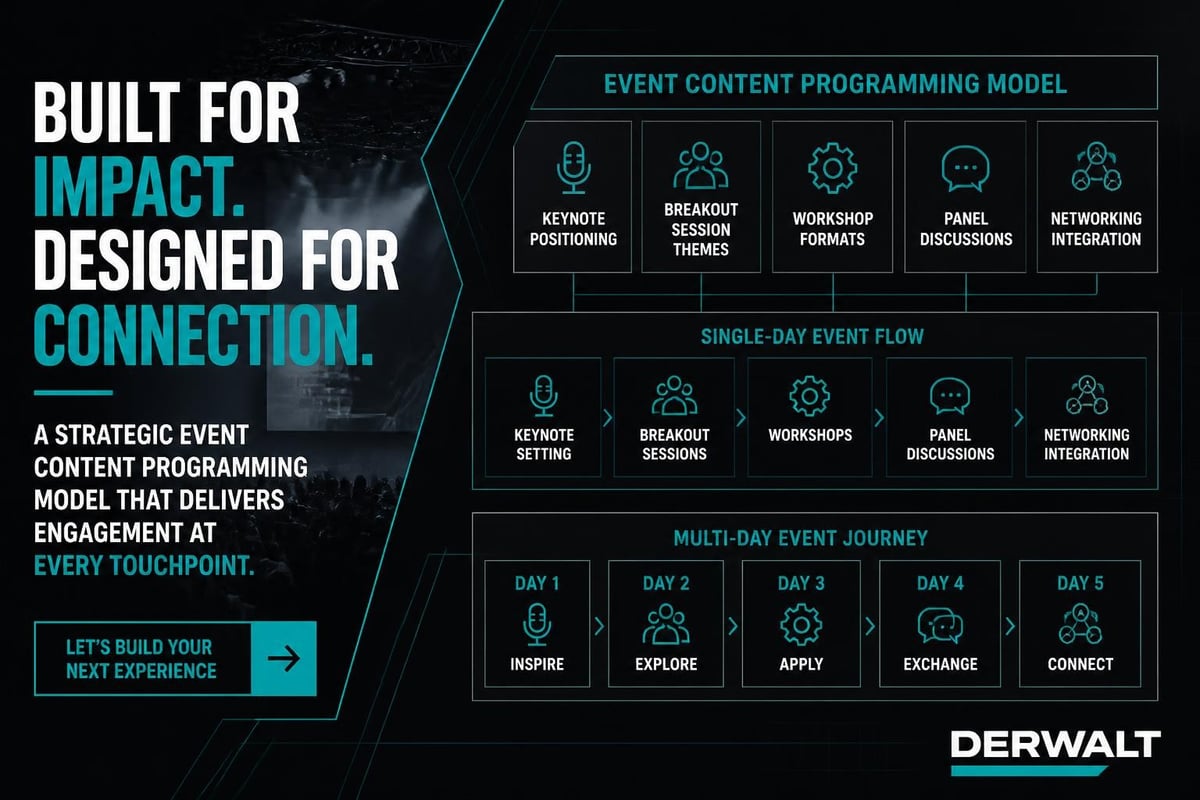
Interactive formats improve knowledge retention. Case study discussions, workshop sessions, and problem-solving exercises engage attendees actively rather than passively. Structured networking sessions with clear prompts facilitate meaningful conversations beyond superficial exchanges. Organizing networking events requires intentional design creating comfortable environments for professional relationship building.
Pacing prevents fatigue while maintaining momentum. Dense content schedules exhaust attendees, reducing engagement and satisfaction. Strategic breaks, transitional activities, and varied formats sustain energy throughout multi-hour programs. Professional producers understand rhythm, building intensity toward key moments while allowing recovery periods.
Logistics Management and Risk Mitigation
Operational logistics separate successful work event execution from preventable failures. Every element requiring coordination-transportation, catering, registration, materials, staffing-demands detailed planning and backup protocols. Logistics failures create visible problems undermining overall event quality regardless of content strength.
Registration processes establish first impressions. Efficient check-in with clear wayfinding and prepared staff demonstrates organizational competence. Digital registration systems with pre-printed badges, automated confirmations, and real-time capacity tracking prevent bottlenecks while capturing valuable attendee data.
Critical logistics elements requiring detailed planning:
- Transportation coordination for attendee arrival and departure
- Catering services aligned with dietary requirements and scheduling
- Materials production including signage, collateral, and branded items
- Staffing assignments with clear roles and communication protocols
- Technical rehearsals validating all systems before attendee arrival
Catering extends beyond food selection to service timing, dietary accommodation, and experiential integration. Meal periods provide networking opportunities when designed intentionally. Service quality, presentation standards, and timing precision reflect overall event professionalism. Dietary restrictions require proactive management, not reactive accommodation.
Health and safety protocols protect attendees while minimizing organizational liability. Comprehensive risk assessment identifies potential issues from medical emergencies to security concerns. Documented procedures, trained staff, and clear communication systems enable rapid response when incidents occur.
Technical Execution and On-Site Management
Technical delivery represents the visible manifestation of invisible planning. Flawless audio-visual performance, reliable connectivity, and seamless transitions appear effortless when supported by comprehensive technical planning and experienced execution teams.
Audio-visual systems demand redundancy planning. Primary system failures shouldn't compromise event delivery. Professional production includes backup equipment, alternative power sources, and contingency protocols. Technical rehearsals identify vulnerabilities before attendees arrive, allowing corrective action without time pressure.
| Technical System | Primary Requirements | Backup Protocols |
|---|---|---|
| Audio Reinforcement | Line array speakers, wireless microphones | Backup mics, spare amplifiers |
| Visual Presentation | LED screens, projection systems | Duplicate playback devices, alternative displays |
| Lighting Design | Intelligent fixtures, control systems | Manual override, emergency lighting |
| Internet Connectivity | Dedicated fiber, wireless access points | Cellular backup, offline content |
| Power Distribution | Primary supply, load balancing | Generator capacity, UPS systems |
On-site management requires real-time decision-making authority. Despite thorough planning, unexpected situations demand immediate resolution. Effective on-site teams maintain calm under pressure, communicate clearly across stakeholders, and solve problems without creating attendee-visible chaos. Clear command structure prevents confusion during crisis response.
DERWALT does not simply build events-DERWALT builds the system behind successful brand experiences through production intelligence that bridges creative vision with operational reality. This systematic approach includes creative interpretation, strategic planning, budget control, technical delivery, supplier management, risk mitigation, on-site execution, and post-event learning that informs continuous improvement.
Communication protocols connect all team members. Radio systems, messaging platforms, and scheduled briefings ensure coordinated action. Production schedules detail every transition, technical cue, and responsibility assignment. When everyone understands their role and timing, complex productions execute smoothly.
Internal Events and Culture Development
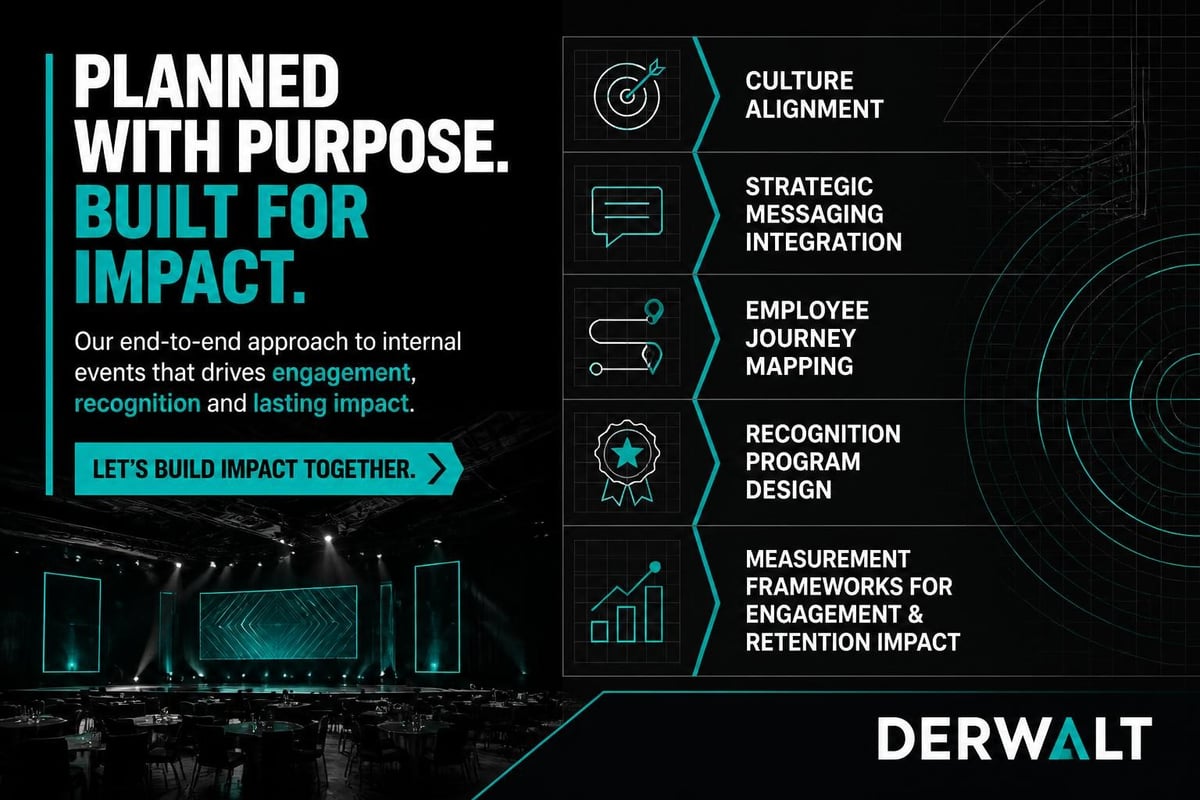
Internal work event strategies differ from external client-facing productions. Internal events contribute significantly to organizational culture, employee alignment, and team cohesion. These gatherings demonstrate company investment in people while reinforcing values and strategic direction.
Culture-building events require authentic experiences aligned with organizational identity. Superficial team-building exercises that contradict daily workplace reality create cynicism rather than connection. Effective internal events reflect genuine values while creating spaces for relationship development beyond normal work interactions.
Internal event categories serving distinct purposes:
- All-hands meetings communicating strategic direction
- Department offsites enabling focused collaboration
- Recognition ceremonies celebrating achievements
- Training workshops developing capabilities
- Social gatherings fostering cross-functional relationships
Recognition moments within work event programming acknowledge contributions publicly. Celebrating achievements reinforces desired behaviors while demonstrating leadership appreciation. Recognition formats range from formal awards to informal acknowledgments, all creating memorable moments employees value. Employee engagement through events strengthens retention by building emotional connection to organizations.
Leadership visibility matters during internal events. Executive attendance signals event importance while providing access strengthening organizational connection. Authentic interaction opportunities-not staged appearances-build trust and demonstrate genuine interest in employee perspectives. Strong company culture develops through consistent leadership engagement across formal and informal settings.
Feedback collection informs continuous improvement. Post-event surveys, focus groups, and participation metrics reveal what resonates and what requires adjustment. Organizations treating internal events as iterative processes rather than isolated occurrences develop increasingly effective engagement strategies over time.
Measurement Frameworks and ROI Analysis
Demonstrating work event value requires measurement frameworks established during planning phases. Without defined metrics and data collection systems, organizations cannot assess return on investment or justify future event budgets. Professional event production includes measurement strategy as core planning component.
Quantitative metrics provide objective performance assessment. Registration numbers, attendance rates, session participation, networking activity, and engagement scores offer concrete data points. Digital tools capture real-time metrics throughout events, enabling immediate insight into attendee behavior and satisfaction.
Key performance indicators across event categories:
- Attendance rates relative to target demographics
- Engagement scores from interactive sessions and surveys
- Lead generation quantities and quality assessments
- Social media reach, impressions, and sentiment
- Cost per attendee and cost per objective achieved
- Post-event action rates including follow-up engagement
Qualitative feedback complements quantitative data. Open-ended survey responses, stakeholder interviews, and observational insights reveal nuances numbers miss. Understanding why attendees valued specific elements informs future design decisions more effectively than satisfaction scores alone.
Revenue attribution connects events to business outcomes. For client-facing events, tracking proposal requests, contract signings, and deal values within defined timeframes demonstrates direct financial impact. Attribution windows typically extend 90-180 days post-event, recognizing relationship development timelines.
Cost analysis enables budget optimization. Detailed expense tracking by category reveals spending patterns, supplier value, and efficiency opportunities. Organizations comparing actual costs against budgets across multiple events identify trends improving future financial planning. Through-the-line production expertise ensures comprehensive cost management throughout planning and execution phases.
Vendor Selection and Partnership Management
Selecting event production partners significantly impacts work event outcomes. Professional vendors bring specialized expertise, established supplier networks, and problem-solving experience that internal teams typically lack. Partnership quality determines whether ambitious visions become reality or remain unrealized concepts.
Evaluation criteria extend beyond price comparison. Lowest bids often indicate compromised quality, insufficient staffing, or inadequate risk planning. Professional evaluation assesses creative capability, technical expertise, project management competency, financial stability, and cultural alignment alongside pricing.
| Vendor Evaluation Factor | Assessment Methods | Decision Weight |
|---|---|---|
| Creative Capability | Portfolio review, concept presentations | 25% |
| Technical Expertise | Facility tours, equipment specifications | 20% |
| Project Management | Process documentation, communication protocols | 20% |
| References | Client interviews, site visits | 15% |
| Financial Terms | Pricing transparency, payment structure | 15% |
| Cultural Fit | Values alignment, collaboration approach | 5% |
References provide critical insight into vendor reliability. Conversations with previous clients reveal performance consistency, problem-solving approaches, and relationship quality. Site visits to active productions demonstrate real-world capability beyond marketing materials. Comprehensive event organizing guidance emphasizes thorough vendor vetting as essential to successful execution.
Contract terms protect organizational interests while establishing clear expectations. Detailed agreements specify deliverables, timelines, quality standards, payment schedules, cancellation terms, and dispute resolution procedures. Professional contracts include force majeure provisions, liability limitations, and insurance requirements appropriate to event scale and risk profile.
Partnership maintenance requires ongoing communication. Regular status meetings, transparent issue escalation, and collaborative problem-solving build productive working relationships. Organizations treating vendors as partners rather than suppliers typically receive superior service, creative contribution, and flexibility when circumstances change.
Sustainability and Social Responsibility Integration
Modern work event planning increasingly incorporates sustainability and social responsibility considerations. Stakeholder expectations, corporate values, and environmental awareness drive demand for events minimizing negative impacts while potentially creating positive social contributions. Strategic sustainability integration demonstrates organizational commitment beyond marketing statements.
Waste reduction strategies address the most visible environmental concerns. Digital communications replace printed materials where practical. Reusable signage, rental furnishings, and compostable serviceware reduce landfill contributions. Donation programs redirect excess food and usable materials to community organizations rather than disposal.
Sustainable event practices reducing environmental impact:
- Venue selection prioritizing green-certified facilities
- Local supplier engagement minimizing transportation emissions
- Plant-based catering options reducing carbon footprint
- Digital ticketing and communications eliminating paper waste
- Sustainable material selection for unavoidable printed items
- Carbon offset programs addressing residual environmental impact
Transportation represents significant carbon contributions. Venue selection near public transit access reduces individual vehicle dependence. Shuttle services consolidate transportation needs. Virtual participation options extend access while reducing travel requirements. Organizations measuring transportation impact can implement offsetting strategies addressing unavoidable emissions.
Social responsibility extends to supplier selection, labor practices, and community engagement. Fair compensation, safe working conditions, and diversity considerations reflect organizational values. Event venue coordination includes assessing supplier social responsibility commitments alongside logistical capabilities.
Accessibility ensures inclusive participation. Physical accessibility addresses mobility limitations through venue selection, seating arrangements, and facility design. Content accessibility includes captioning, interpretation services, and assistive technologies. Dietary accommodations, sensory considerations, and flexible participation formats demonstrate commitment to genuine inclusion rather than compliance minimums.
Strategic work event planning transforms gatherings into measurable business assets delivering tangible returns through enhanced engagement, strengthened relationships, and clear outcomes. Success requires production intelligence, operational discipline, and creative execution working in coordination. Organizations seeking to maximize event investment benefit from partnering with specialists who understand the complete production ecosystem from strategic planning through final execution. DERWALT delivers 360º event production that bridges creative vision with flawless operational delivery across South Africa, ensuring your work event achieves business objectives while exceeding stakeholder expectations.
Recent Comments