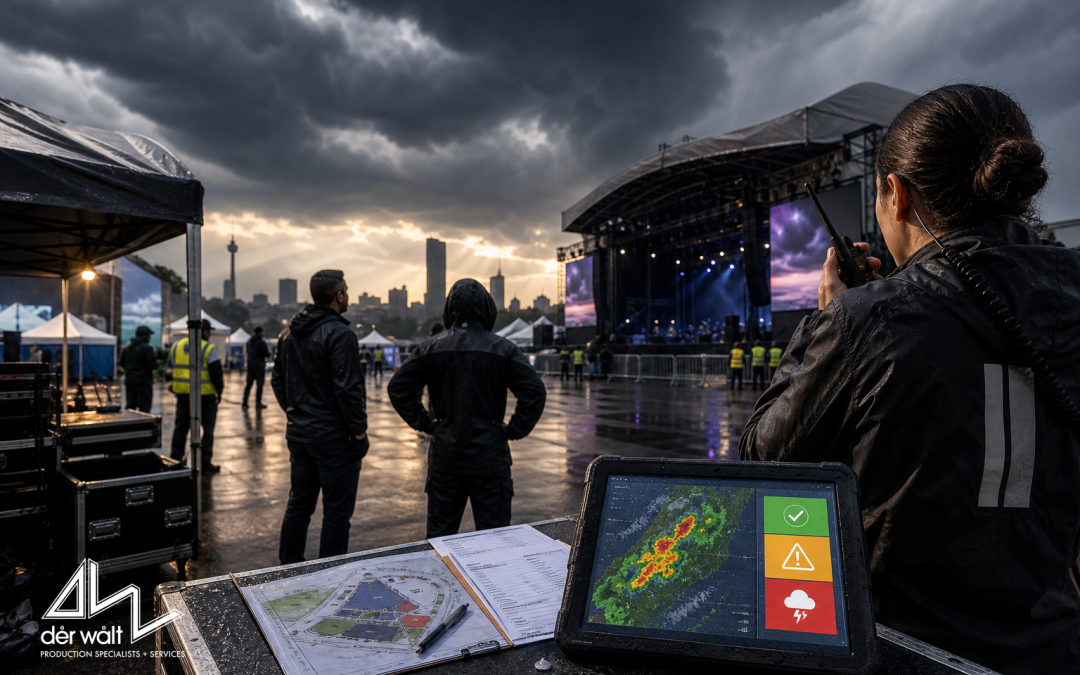
Weather contingency planning for outdoor experiential activations in South Africa: a practical guide
Primary search intent: Brands and agencies want a practical, SA-focused approach to planning weather contingencies for outdoor activations. This guide provides actionable steps, thresholds, and supplier considerations to keep events safe and on track.
The primary objective of weather contingency planning is to turn weather risk into a managed, actionable process. In short: define weather thresholds, pre-negotiate flexible terms with suppliers, and maintain clear decision points that trigger schedule adjustments rather than chaos on the day.
Why weather contingency planning matters for South African experiential activations
South Africa presents a diverse climate—hot, wet summers in coastal regions, dramatic afternoon thunderstorms inland, and occasional winter cold snaps. Outdoor activations are particularly vulnerable to lightning, high winds, heavy rain, and extreme heat. Without a proactive plan, weather can drive last-minute disruptions, inflate costs, and erode audience experience. A deliberate weather contingency approach reduces risk, protects people, and preserves brand experience.
Practical steps to build a weather-ready plan
1) Build a weather risk profile for your venue
- Identify the typical seasonal patterns for your city or venue (e.g., Gauteng summer thunderstorms, coastal sea breezes, or high-wheat сезон wind).
- Map the specific weather phenomena that trigger changes to your show schedule (lightning, sustained winds, heavy rainfall, heat indices).
- Collect historical data from trusted sources such as the South African Weather Service (SAWS) and venue-specific records to quantify frequency and intensity thresholds.
2) Define decision thresholds and a decision tree
- Set objective, measurable thresholds for cancellation, delay, or relocation (for example: wind gusts above a chosen speed, lightning within a 15-km radius, or rainfall exceeding a millimetre amount that affects stage access).
- Develop a simple decision tree that outlines who approves each action (production lead, venue, client, safety officer) and within what time frame decisions must be made.
- Predefine what counts as a “stop-work” condition versus a “weather window” improvement that allows partial operations to resume.
3) Lock in flexible supplier and venue agreements
- Negotiate force majeure and weather-related contingency clauses that outline fair terms for cancellations, postponements, or relocation.
- Ask suppliers for clearly stated on-site weather options: sheltered areas, rain covers, wind-safe rigging, and rapid setup/teardown protocols.
- Arrange vendor-ready contingency kits (tarped stages, weatherproof cables, portable generators, dehumidifiers) with guaranteed delivery windows.
4) Plan on-site contingencies that protect experience
- Install modular, wind-rated staging and quick-access shelter for cast, crew, and attendees.
- Design viewer sightlines and sound coverage to remain legible even if you must relocate a portion of the show or reduce program length.
- Coordinate safe egress routes, lighting, and wayfinding that remain usable under wet or windy conditions.
5) Integrate safety and communications
- Assign a dedicated weather safety lead on site who monitors SAWS alerts and real-time conditions during load-in, show, and strike.
- Establish a clear, multilingual communication plan to inform staff, contractors, partners, and audiences about weather-related changes.
- Provide color-coded, shareable status boards (green/amber/red) to indicate current operating mode and expected changes.
6) Align with permits, permissions and local regulations
- Check permit requirements for temporary structures, crowd management, and noise/lighting limitations in your venue’s jurisdiction.
- Coordinate with local authorities on weather-related closures or curfews and ensure compliance with safety standards and codes of practice.
Integrated planning toolkit: templates you can adapt
Use these ready-to-adapt artefacts to operationalise weather contingency planning without reinventing the wheel:
- Weather risk register: a living document capturing venue, date, forecast window, risk level, trigger thresholds, and responsible owner.
- Decision-tree diagram: a concise flowchart showing triggers, required approvals, and expected timelines for action.
- Supplier contingency addenda: contract add-ons that specify backup plans, lead times, and price protections for weather-driven changes.
- On-site shelter and power plan: a map of shelters, load points, power distribution, and emergency lighting for adverse weather.
Common mistakes and considerations
- Assuming forecasts are perfect: use probabilistic weather planning and maintain a “buffer” of time and space to adapt.
- Underestimating the impact of heat: plan for heat-related safety (hydration, shaded areas, medical response) as part of weather contingencies.
- Overlooking accessibility: ensure shelter, pathways, and egress meet accessibility requirements even when weather alters layouts.
- Failing to test contingencies: run a dry run or tabletop exercise to validate decision thresholds and on-site logistics before go-live.
Collaboration and accountability in SA: who should be involved
Successful contingency planning relies on cross-functional teamwork. Key participants include the production lead, venue management, safety officer, client representative, and principal suppliers (sound, lighting, rigging, power). Establish regular pre-event briefings and a single point of contact for weather updates during the event.
FAQ
What counts as a true weather contingency versus a mere delay?
A true contingency involves a predefined, approved change in schedule or format (e.g., partial show, relocation, sheltering) with contractual triggers and coordinated execution, not just a postponement due to uncertainty.
How early should we lock contingency terms with suppliers?
As early as possible in planning, ideally during the contracting phase, with explicit weather-based change terms that include response times, costs, and any penalties or protections.
Which SAWS data should we rely on for event timing?
Rely on official alerts, radar and lightning warnings, and site-specific climate advisories. SAWS provides forecasts and severe weather notices that should feed your thresholds and decision tree.
How do we communicate weather changes to attendees without causing panic?
Use consistent, pre-approved messaging, multilingual notices, and a dedicated status channel (mobile alerts, screens, staff radios). Provide clear instructions on where to shelter and how show segments will adapt.
What are practical shelter options for outdoor stages in SA?
Invest in modular, wind-rated canopies and weatherproofing for critical equipment, with quick-release mechanisms and safe anchoring. Ensure shelters protect personnel and participants during rain or lightning events.
Sources
- Event Safety Alliance — United States-based organisation providing event safety guidance and standards.
- UFI: The Global Association of the Exhibition Industry — Industry standards, risk management and best practices for live events and venues.
- South African Weather Service — Official SA weather data, forecasts and severe-weather alerts.
- U.S. Occupational Safety and Health Administration (OSHA) — Safety guidelines and risk assessment principles applicable to event environments.
- IAVM – International Association of Venue Managers — Venue operations and safety resources relevant to live events.
Ready to elevate your outdoor activation with robust weather contingency planning?
Reach out to DERWALT to explore how our experiential marketing, event production, and logistics teams can weave weather-ready resilience into your next activation. We specialise in end-to-end production and precise on-site execution that keeps audiences engaged—even when weather changes the plan.
Recent Comments