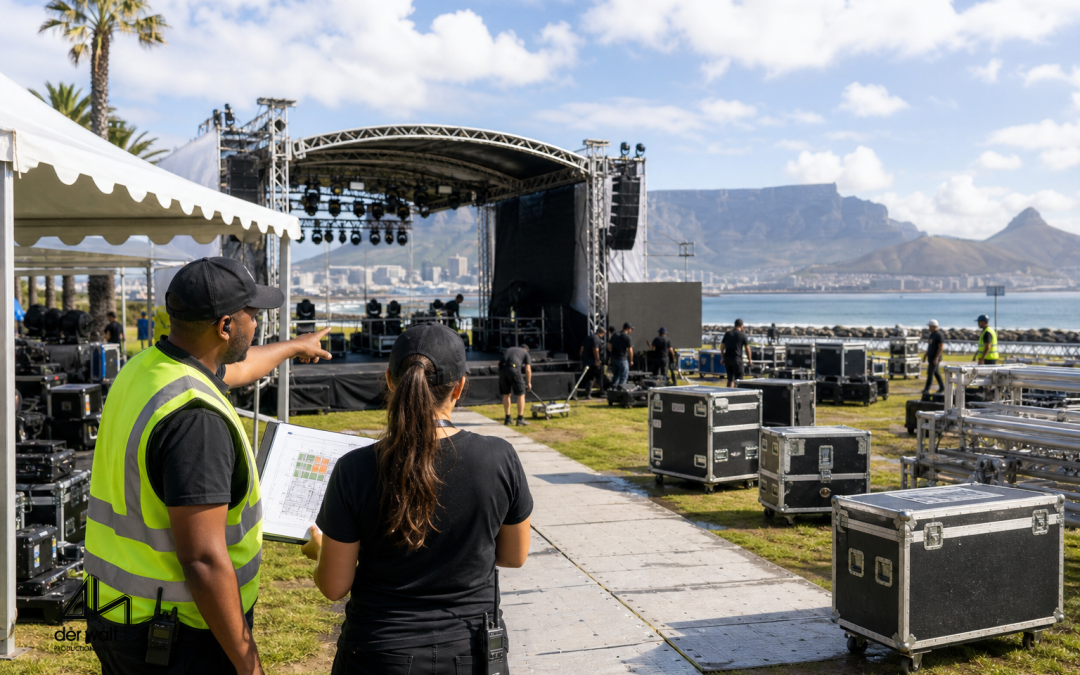
Weather-Resilient Event Production in South Africa: Practical Planning Guide
Planning a large-scale, weather-resilient event in South Africa requires proactive risk management, local procurement insight, and pragmatic production timelines. This guide provides practical steps for brands, agencies, and venues to succeed.
South Africa’s event landscape blends outdoor appeal with seasonal variability. For brands, agencies and production teams, the keys to success are clear risk assessment, reliable local supply chains, and flexible timetables that accommodate weather, power stability and regulatory requirements. This guide outlines practical, verifiable steps you can implement from pre-production through on-site delivery to deliver safe, compliant and memorable experiences.
Why weather and safety planning matters in SA events
The climate in South Africa varies by region. Coastal venues in Cape Town and Durban can experience sudden wind shifts, rain squalls and heat, while inland locations such as Johannesburg or Pretoria may confront scorching days, thundershowers and rapid temperature changes. Planning for these conditions reduces risk, keeps attendees comfortable, and protects equipment. A formal risk assessment and emergency response plan should align with established health and safety practices. Rigorously applying a safety framework also helps with permits and inspections demanded by local authorities.
Practical takeaway: begin with a weather-based risk assessment that covers probable wind speeds, temperature ranges, rainfall, lightning risk and ground conditions for outdoor setups. Build a simple decision matrix that triggers on-site actions (for example, moving a stage indoors, postponing activities, or increasing shelter and drainage capabilities). Use local forecasts to refine daily plans, ideally with a 48-hour and 24-hour contingency window.
Pre-production: procurement, permits, and timelines in the SA context
In South Africa, procurement and permitting operate within a multi-layered ecosystem that includes venue managers, municipal authorities, and, in some cases, road authorities. Planning early helps you avoid last‑minute bottlenecks and budget shocks.
Procurement and local suppliers
Local suppliers offer benefits in terms of lead times, after-sales service, and procurement compliance. When selecting suppliers for staging, lighting, sound, power, tents, and crowd-control equipment, consider:
- Demonstrated safety records and the ability to provide COI (certificate of insurance) and SDS (safety data sheets) for equipment.
- Credit terms aligned with your procurement cycle and VAT considerations for South African buyers and suppliers.
- Supplier diversity and B-BBEE compliance where relevant to your client’s procurement policies.
Build a local supply chain map early, identifying primary and backup vendors to mitigate shortages or delivery delays. Where possible, select suppliers with experience in your event format (containerized power, temporary structures, and rigging) and who can provide site-specific risk assessments for their equipment.
Permits, regulatory checks, and lead times
Depending on venue and location, you may need municipal permits, road-closure approvals, fire safety clearances, and liquor licensing if applicable. A typical process might involve:
- Coordination with the local municipality and venue management for site-specific permissions.
- Traffic management planning, including temporary road closures or parking arrangements if the event impacts public streets.
- Compliance with fire codes, audience capacity limits, and emergency egress requirements.
- Health and safety documentation for contractors and staff, including on-site induction and PPE requirements.
Practical tip: begin the permit process at least 6–8 weeks before the event for typical urban venues; larger or multi-site activations may require longer lead times. Regularly update a shared, version-controlled permit package with all stakeholders.
Risk management and safety frameworks for events
A formal safety framework anchors your decision-making. International standards such as ISO 20121 provide guidance for sustainable event management, including risk assessment, stakeholder engagement, and continuous improvement. In addition, local occupational health and safety practice in South Africa is regulated to protect workers and attendees on-site.
Adopting a practical risk management approach
Start with a risk register that captures:
- Environmental risks (weather, lightning, wind loads on structures)
- Operational risks (power outages, equipment failure, access constraints)
- Safety risks (crowd movement, slip hazards, elevated work areas)
- Logistical risks (supplier delays, transport challenges)
For each risk, specify likelihood, impact, triggers, and mitigations. Assign owners and set up escalation paths. Daily on-site briefings can help maintain situational awareness and adjust plans as weather or other conditions evolve.
Logistics and transport planning in South Africa
Transport logistics in SA are influenced by traffic patterns, road safety considerations, and, at times, load-shedding-induced power constraints that affect production schedules and on-site operations.
Staging, access, and site layout
Map site access for deliveries, including time windows for trucks, crane lift locations, and unloading zones. For outdoor stages and heavy equipment, ensure safe access routes, adequate clearance for overhead rigging, and protection against ground soaking in rain. Where a venue is near residential areas or busy corridors, coordinate with local authorities to minimize disruption.
Power and reliability
Power stability can be a critical constraint in SA. Plan for:
- On-site power with a clearly defined load plan, including a generator back-up for critical systems.
- Facility-grade electrical distribution with proper cable management and weatherproofing.
- Fuel management, refueling logistics, and noise controls for generators.
Budget for contingency power (typically 10–20% of total electrical budget) to cover weather-induced demand spikes, longer re-seating, or generator downtime.
Weather contingency planning: equipment, shelter, and backup systems
Weather resilience means designing for shifts in sun, wind, rain and heat. The right combination of shelter, drainage, and equipment will keep performances and attendees safe and comfortable.
Tents, shade structures, and wind considerations
Outdoor coverage should be rated for expected wind loads in the region. Use tenting with certified anchoring, appropriate girth and structure height, and evacuation routes in case of sudden weather changes. For coastal or exposed venues, consider higher wind-load ratings and load-testing of structures, with a plan to evacuate or relocate if conditions exceed safe thresholds.
Climate-control and hydration
In hotter regions, plan for cooling and hydration to protect performers and attendees. This may include misting or shaded areas, freely accessible water stations, and scheduling measures to avoid peak heat. In cooler periods, ensure warm areas for staff and attendees without compromising safety or venue rules.
Drainage, floors and footing
Ensure that outdoor surfaces are prepared for rain. Use non-slip deck surfaces, floor mats at access points, and clear drainage for water pooling near stages, electrical equipment, and audience zones.
Staffing, labour considerations, and safety training
Local labour is a fundamental asset for SA events. Plan staffing levels, shifts, and induction materials to cover security, hospitality, production, and stage management roles. Ensure workers understand emergency procedures, health and safety requirements, and the location of first-aid facilities.
Training and on-site safety culture
A short, practical safety briefing for all contractors helps reduce on-site incidents. Include forms of PPE required, access control, and reporting protocols for hazards or injuries. Where relevant, align with the Occupational Health and Safety Act requirements and the specific site’s safety rules.
Contracting and coordination
A single point of contact for all technical contractors enhances coordination. Maintain a shared schedule, risk log, and change-control process. This approach reduces miscommunication, improves safety, and ensures that production milestones stay on track.
Budgeting and production timelines
Realistic budgets account for weather contingencies, safety, and permit costs. Build in a contingency fund (commonly 10–20% of the total budget, depending on complexity and risk profile) to cover weather-related delays, back-up equipment, or last-minute permit adjustments.
A practical production timeline includes:
- Early concept and intent documentation, with sign-offs from key stakeholders.
- Parallel permit and supplier procurement tracks to reduce lead times.
- A critical-path schedule that reflects weather windows, load-in times, and rehearsals.
- On-site contingency days or flexible day parts in case of adverse weather.
The most successful South African activations treat weather, safety and regulatory steps as features of production, not afterthoughts. This discipline helps maintain momentum and protect brand value—even when conditions shift.
DERWALT’s role in end-to-end experiential delivery
DERWALT provides end-to-end experiential marketing, activation and event-production support, including technical planning, production management, logistics coordination and on-site delivery. We work with clients to translate risk, procurement, and regulatory considerations into actionable production plans, supplier coordination, and on-site execution that prioritises safety, reliability and impact.
Sources
- South African Weather Service — South African Weather Service
- Department of Employment and Labour — South Africa
- ISO 20121: Event sustainability management systems — International Organization for Standardization
- Event safety – HSE — UK Health and Safety Executive
Contact DERWALT
Ready to plan a weather-resilient, compliant experiential activation in South Africa? Contact DERWALT for expert end-to-end event-production support, including logistics, production management, and immersive brand activations tailored to your timeline and budget.
Recent Comments