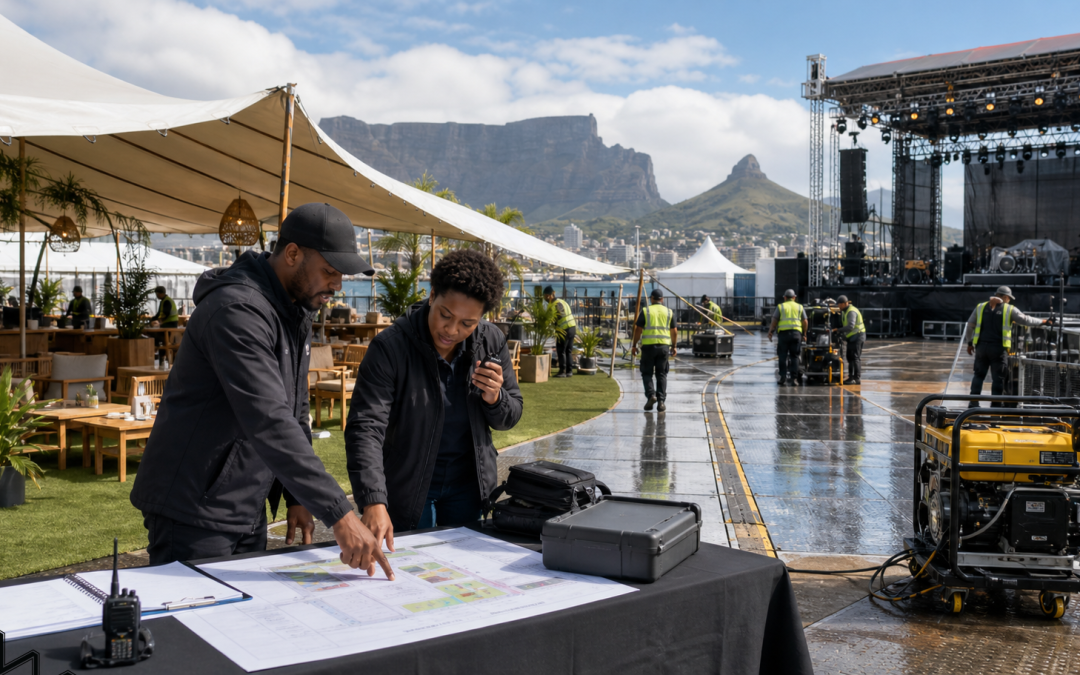
Weather-Proof Your Outdoor SA Events: A Practical Contingency Plan
A 31-word excerpt to ensure readers understand the article’s practical focus on weather contingency planning for South African events, including budgeting, safety, monitoring, and local supplier coordination.
Outdoor events in South Africa can be exhilarating, but they come with weather-driven risks that can derail schedules, budgets, and guest experience. A robust contingency plan isn’t a luxury; it’s a core requirement for any activation, festival, or corporate gathering. This article lays out practical steps to anticipate weather-related disruptions, balance risk with cost, and coordinate local suppliers and venues to keep events on track in a dynamic climate.
Why weather planning matters in South Africa
South Africa’s climate is diverse and regionally variable. Coastal towns can experience sudden high winds and squalls, while inland venues may face heat stress, afternoon thunderstorm development, or unexpected rain. Microclimates around mountain passes or urban canyons can change exposure quickly. For outdoor productions, this translates into: risk to equipment, safety concerns for attendees, and potential delays that cascade into staffing, transport, and artist scheduling.
Beyond meteorology, operational realities such as load shedding, limited on-site power, and transport constraints add layers of complexity. A weather contingency plan must address not only the forecasted conditions but also how power availability, water drainage, and crowd management will adapt in response to changing weather. While forecasts are a starting point, decision-making should be guided by on-site assessments, clearly defined thresholds, and pre-agreed escalation paths.
Build a contingency budget and procurement plan
A practical contingency budget acknowledges weather as a recurring risk rather than an exception. Consider reserving a dedicated weather contingency line item—commonly between 5% and 15% of the event budget, depending on venue, forecast uncertainty, and the likelihood of adverse conditions. This reserve can fund weather-resistant infrastructure (tents, flooring, drainage), rapid relocation options, and last-minute staffing adjustments.
In the procurement phase, pre-qualify local suppliers with weather-resilient capabilities: marquee providers, flooring and drainage specialists, power backup vendors, and storm-safe rigging teams. Verify insurance, safety certifications, and the ability to operate under contingency timelines. Build contracts with clear weather-related triggers (e.g., decision points when conditions reach a defined threshold) and define who has authority to enact changes (e.g., a production lead in consultation with the client). Local sourcing reduces transport times, supports quicker response to changing conditions, and aligns with South Africa’s supply ecosystem.
Venue, infrastructure and safety considerations
Infrastructure decisions should be driven by site conditions, anticipated weather, and guest experience. Key practical considerations include:
Power and electrical risk management
Power reliability is a common challenge in SA events. Plan for on-site power where the venue cannot guarantee uninterrupted supply. This includes certified generator sets, fuel storage with proper containment, and electrical distribution designed for outdoor use. Use licensed electrical professionals for installation, maintenance, and load management. Establish clear masking of electrical risk: dry- and wet-weather spacing, weatherproof enclosures for generators, and a plan for fuel safety and fire suppression.
Temporary structures, flooring and drainage
Marquees, stages, and elevated flooring must be rated for local wind loads and water drainage. Secure anchoring is essential, particularly in gusty coastal zones or after heavy rainfall. Consider anti-slip flooring and run-off channels to prevent pooling around access points. Pre-event site surveys help identify drainage challenges, with on-site teams ready to deploy temporary ramps, mats, and barriers to maintain safe guest flow.
Weather monitoring and communication protocols
Active monitoring is not optional. Establish a dedicated weather monitoring workflow using trusted sources such as the South African Weather Service for forecast updates and alerts. Implement a two-track communication plan: internal staff (clear thresholds for when to pause, delay, or relocate) and guest-facing channels (PA announcements, digital signage, mobile alerts). Regular briefings with the core production team ensure everyone understands trigger points and escalation paths.
Logistics, transport and staffing in variable conditions
Weather often influences transport windows, deliveries, and on-site staffing. Build flexible delivery windows with the venue and suppliers to accommodate late-change scenarios. Plan for alternative routes and staging areas should road conditions change. Staffing plans should include contingency rosters and safety briefs that cover high-heat exposure, sudden downpours, and evacuation procedures. Having trained crowd marshals, clear muster points, and accessible egress routes minimizes risk and supports a quicker return to activity after any interruption.
Also, factor in the realities of South African cities: peak traffic hours, seasonal roadworks, and access limitations that can be exacerbated by weather. Communicate clearly with transport partners about potential delays, and keep a live contact list for on-the-day adjustments. By coordinating with venue management, security, and local suppliers, productions can re-sequence activities (for example moving outdoor performances to indoor venues or covered spaces) without compromising the overall activation plan.
Compliance, documentation and risk management
Robust risk assessment and safety planning are foundational. Align your approach with South Africa’s occupational health and safety framework, ensuring that risk assessments cover weather-related hazards, electrical risks, and crowd management. Maintain documentation that records decision points, weather thresholds, and the approval process for any schedule changes. Work with insurers to confirm coverage for weather-related contingencies and ensure certificates of compliance (where applicable) are up to date. While the specifics vary by project, the discipline—identifying hazards, evaluating risk, and implementing controls—remains constant across outdoor activations.
DERWALT’s approach to resilient event production
DERWALT can support brands, agencies and venues with end-to-end event planning and production management that foregrounds resilience. Our approach includes:
- Early-stage risk assessment integrated into the production timeline and budget.
- Technical planning for power redundancy, weather-resistant infrastructure, and safety systems.
- On-site coordination of suppliers, permits, and transport, with clearly defined contingency triggers.
- Structured communication plans for staff and guests, including weather alerts and evacuation procedures.
- Post-event debriefs that review weather-driven decisions to continuously improve future activations.
It’s important to distinguish practical guidance from verifiable claims: the recommendations here are pragmatic, rooted in common industry practice and SA context, while specific outcomes depend on project scope, venue, and weather conditions. For any given activation, confirm local compliance requirements, and tailor contingency assumptions to the site and client objectives.
Sources
- South African Weather Service — Official government meteorological service providing forecasts, warnings and climate information.
- Department of Employment and Labour — Occupational health and safety guidance relevant to event production.
- South African Bureau of Standards — National standards and best practices for safety, electrical installations and materials.
- Event Safety Alliance — Industry guidance on event safety and risk management.
- ISO 20121: Sustainable Event Management — International standard for sustainable and responsible event management.
Get in touch with DERWALT
Ready to plan with confidence? DERWALT offers end-to-end event production, risk management and logistical coordination for outdoor and indoor activations. Contact us to discuss your next activation in South Africa and how we can help you deliver a resilient, memorable experience.
Recent Comments