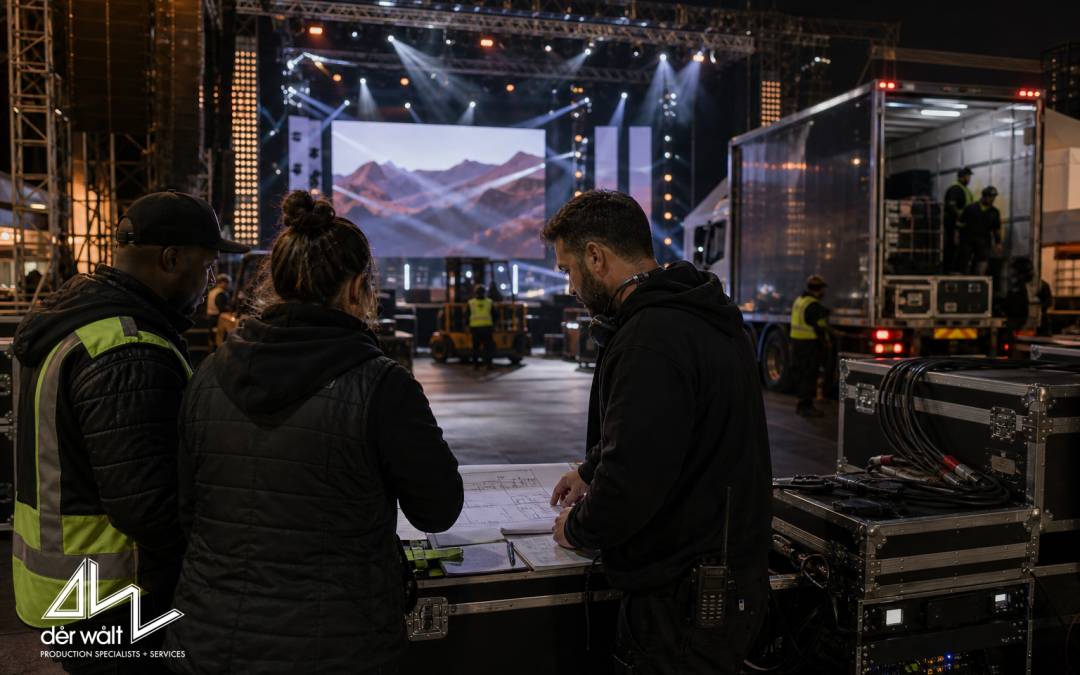
End-to-end South African event production: procurement, safety and logistics playbook
A practical guide for brands, agencies and venues planning live events in South Africa, outlining procurement, safety, transport, weather and labour considerations to keep productions on budget and on schedule.
South Africa’s live-events environment is dynamic, diverse and often locally nuanced. From intimate activations in urban precincts to mid-scale shows in conference venues or stadiums, every production depends on a robust web of suppliers, venues, transport routes and compliance requirements. The difference between a smooth activation and a disrupted schedule often hinges on practical planning, risk awareness, and disciplined procurement. This playbook recognises South African realities—local supplier ecosystems, permit processes, energy reliability, weather variability, labour practices and budget discipline—while offering actionable steps that brands, agencies, venues and production teams can apply from concept through showtime.
Understanding the South African landscape for live events
In SA, permitting, venue access, and safety planning are highly context-specific. Delivery and load-in windows are defined by venue management, local by-laws, noise restrictions and road closures. It’s common for city councils to require permits for amplified sound, street activations or temporary structures. Build time into your plan to secure these approvals, and assign responsibilities early. Always verify the latest regulations with the venue and relevant authorities. Note that this guidance is practical and should be verified against current local requirements.
Pre-production: budgeting, procurement and vendor vetting
Build a local-first procurement plan
Prioritise local suppliers where possible to reduce lead times, lower transport costs and support the regional economy. Create a vetted supplier list early, with clear criteria for safety records, workmanship, service capabilities and environmental practices. Request multiple quotes, compare inclusive costs (transport, installation, de-rig, VAT), and document a transparent selection process. Map dependencies so a single supplier issue does not halt critical paths. Remember to align procurement decisions with project scale and intended audience, and consider BBBEE or supplier-diversity requirements if they apply to your client or partnership framework.
Contracts, SLAs and change management
Develop concise contracts and service-level agreements that cover scope, deliverables, timelines, payment terms, and change-management procedures. In live-event contexts, change orders are common. Define how scope changes are requested, approved and priced, and establish a clear escalation path for risk or schedule conflicts. Build in contingency buffers for weather, supply-chain delays or permitting holdups, and ensure all parties commit to safety and compliance standards throughout.
On-site logistics and risk management
Venue coordination and access
Coordinate closely with the venue management team to align delivery bays, loading zones, lift access and vehicle routes. Confirm allocated times for deliveries, storage, and crew parking. Establish a single point of contact for day-of operations and maintain a live schedule that can be shared with all contractors. Factor in last-mile constraints, especially in dense urban areas where parking or access can be restrictive. If street closures or public-activity permits are involved, liaise with the relevant authorities well in advance to prevent last-minute conflicts.
Power, audio-visual and technical infrastructure
Reliable power is critical. Assess whether the venue’s power supply is adequate for all systems and plan for on-site generators or hybrid solutions if necessary. Create a power distribution plan with clearly labeled circuits, load calculations and emergency shut-off points. Coordinate A/V requirements with technicians, ensuring cabling is properly segregated from pedestrian traffic and compliant with safety standards. Consider energy-efficient equipment and backup options to mitigate load-shedding or grid interruptions common in some SA contexts.
Safety and crowd management
Safety planning should be embedded from the start. Develop a simple risk assessment and a formal emergency response plan that covers medical incidents, evacuations, fire safety and severe weather. Provide staff with basic safety briefings and define roles for marshalling, entry control, and communications. Post clear wayfinding signage and establish accessible egress routes. Keep medical supplies on hand and confirm nearby hospital or urgent-care access. While these guidelines are grounded in industry best practice, verify them against ISO 45001 principles and local requirements when planning your event.
Weather, labour and contingency planning
Weather risk and contingency
Weather can influence everything from guest comfort to equipment performance. South Africa’s climate varies by region and season, so build adaptable plans: shelter options for performers and crew, shaded zones for attendees, and contingency timing for outdoor segments. For outdoor activations, secure a weather-monitoring workflow and a decision protocol for delays, relocations or early pack-down. Having alternate venues or indoor fallback spaces can prevent a hard stop in the schedule, especially for early- or late-afternoon programming.
Labour considerations and compliance
Labour relations and compliance are integral to SA productions. Ensure workers are employed under compliant contracts, with fair practices and clear working hours, overtime terms, and safety briefings. Align with national standards and, where applicable, union requirements or client governance. Train crew in site-specific safety, crowd interaction protocols and emergency procedures. Clear documentation reduces risk and helps keep the production on track even when on-site challenges arise.
Budgeting and timelines in practice
Effective budgeting balances ambition with realism. Build in a practical contingency for unforeseen costs, without compromising essential safety and quality. Translate the concept into a production schedule that aligns with procurement lead times, venue slot availability, permitting timelines, and weather contingencies. In South Africa, allowing additional lead time for permits, generator sourcing, and transport logistics often pays off in fewer last-minute changes and smoother showtime execution. Remember: timelines are as important as budgets. A realistic, shared schedule reduces friction among agencies, vendors and clients and helps maintain momentum across the project lifecycle.
DERWALT: end-to-end capabilities for South African activations
DERWALT offers end-to-end event production, from strategic planning and procurement coordination through on-site management and show execution. Our approach emphasises local supplier coordination, risk-aware planning, and seamless production management to help brands, agencies and venues deliver consistent experiences. We can assist with: vendor vetting and contract governance, logistics and load-in planning, power and A/V strategy, safety management and emergency procedures, weather-aware contingency planning, and production timelines that align with procurement cycles and venue requirements. This is practical support designed to reduce risk, improve reliability, and deliver memorable activations that travel well across South Africa.
Sources
- SABS — South African Bureau of Standards — Standards and safety guidance
- Arrive Alive — South Africa road safety — Government portal
- South African Weather Service — Weather and climate data
- ISO 45001 — Occupational health and safety management — International standard
- Event Industry News — Industry publication
Contact DERWALT for experiential marketing and event-production support
From concept to showtime, DERWALT coordinates procurement, logistics, safety, and on-site delivery for South Africa-based events. Reach out to start planning your next activation with a trusted partner.
Recent Comments