How to Plan Scalable Brand Activations in South Africa: A Practical Logistics Guide
This practical guide covers permits, safety regimes, transport, weather contingency, local procurement, and budgeting for SA events. It helps brands, agencies, and venues deliver resilient activations that meet compliance and date-driven timelines.
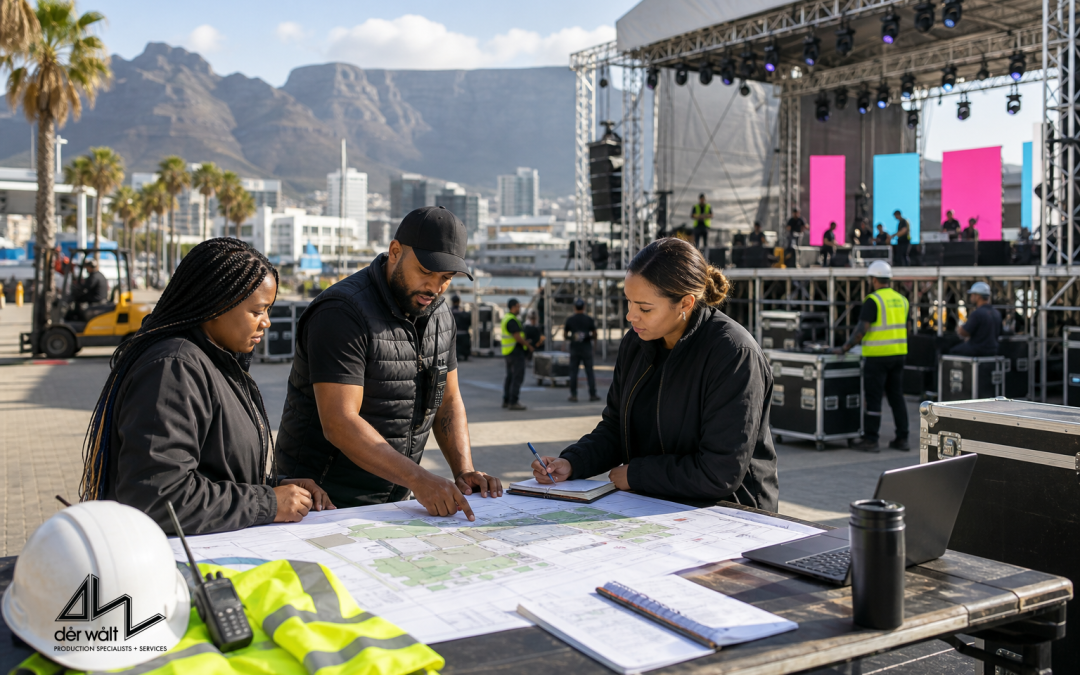
In South Africa, brand activations and corporate events require more than creative concepts; they depend on robust logistics, local procurement, and compliance with safety, labour, and municipal requirements. This guide outlines a practical, SA-focused approach to planning scalable activations—from initial permits to on-site execution—with actionable steps and realistic constraints such as weather, transport, and budgeting. The aim is to help brands and agencies reduce risk, accelerate decision-making, and deliver memorable experiences within South Africa’s dynamic landscape. The guidance blends general industry best practices with SA-specific considerations and examples of how a professional event-production partner can support delivery.
Understand the SA permit and compliance landscape
Regulatory requirements for events in SA vary by city and venue. Typical permits may include temporary structure approvals, street-closure authorisations, noise permits for amplified sound, occupancy permits for venues, and fire-safety compliance. Start with a high-level map of the jurisdictions you expect to operate in (Johannesburg, Cape Town, Durban, and others), then document lead times and costs. Local authorities increasingly expect detailed site plans, risk assessments, and crisis communication protocols as part of the approval package.
Start early with local authorities
Engage the relevant city or municipality well in advance. Use official event permit checklists, request pre-application meetings, and secure confirmation of required documentation. If your activation touches public spaces or involves street closures, you may need multiple approvals (e.g., traffic management, public safety, and fire services). A proactive approach helps prevent delays that ripple into procurement and production timelines.
Documentation to prepare
Prepare a site plan, crowd-flow diagrams, electrical and generator layouts, a safety plan, and a risk assessment tailored to the event’s scale. Include a clear emergency egress route and a communications plan for staff and participants. Providing these documents early supports smoother reviews and demonstrates a professional, safety-first mindset.
Budgeting for permits
Permitting costs vary by jurisdiction and scope. Build a dedicated permit contingency line in the budget and allow for potential revisions or additional requirements from authorities. Remember that delays can incur rush fees or additional charges for last-minute approvals. A trusted production partner can help forecast these costs accurately and incorporate them into the overall financial plan.
Build a risk assessment and safety plan aligned with SA standards
South Africa’s Occupational Health and Safety Act (OHSA) guides the framework for safe workplaces and events. A site-specific risk assessment should identify hazards, assign owners, and outline control measures across all phases of the activation—from setup to teardown. This approach helps protect staff, contractors, clients, and the public while reducing liability for organisers and venue owners.
Site-specific risk assessment
Assess physical hazards (tripping, vehicle access, temporary structures), environmental risks (heat, rain, dust), and operational risks (crowd density, equipment failure). Document controls such as physical barriers, signage, anti-slip measures, and refreshment and hydration points for crew and attendees.
Crowd management and stewarding
Define stewarding zones, entry and exit points, and clear access routes for emergency services. Train stewards in basic safety procedures and communication protocols. In urban SA contexts, consider high foot-traffic areas and the need for controlled access to protect attendees and bystanders alike.
Emergency planning and incident reporting
Develop an evacuation plan, muster points, and a communications protocol for incidents. Establish a single point of contact for incident reporting and ensure all on-site staff have access to emergency numbers and a brief safety briefing at the start of each shift.
Venue, power, transport and procurement in SA
Choosing the right venue and aligning procurement with local suppliers are crucial for cost control and reliability. Budgeting realistically for power, load management, and transport access helps avoid common bottlenecks that derail production schedules.
Local procurement and supplier alignment
Leverage local suppliers for décor, signage, catering, and technical needs where possible. Local procurement reduces lead times and supports the broader South African supply chain. Ensure all suppliers have valid licenses, insurance, and compliance documentation aligned with OHSA requirements and venue rules. A coordinated procurement plan minimizes last-minute substitutions and ensures consistent quality across the activation.
Transport and access
Map vehicle routes, loading zones, and crew crossing points. Consider peak traffic times, parking constraints, and potential disruptions. For venues in metropolitan areas, arrange dedicated delivery bays and staggered loading to preserve access for attendees and emergency services.
Power, electrical safety, and infrastructure
Plan power distribution with redundancy and proper protection. Use qualified electricians, compliant cabling, and weatherproof connections. SA-specific standards from SABS help guide safe electrical installations and equipment use, reducing the risk of outages or electrical hazards during the activation.
Weather contingency planning
Outdoor activations require rain plans, shade, wind considerations, and temperature management. Develop a tiered response for forecasted conditions, including contingency spaces, shelter provisions, and safe teardown timelines if weather turns unfavourable. Weather variability is a practical constraint in SA’s diverse climate zones, so having flexible options in your plan is essential.
Budgeting and production timelines in SA
A credible SA production plan requires alignment between procurement, permits, staffing, and contingency reserves. Build budgets with explicit line items for risk allowances, transport contingencies, and local labour compliance. A realistic timeline balances creative ambitions with regulatory reviews and supplier lead times.
Labour compliance and contractor onboarding
Employ or contract personnel through compliant channels. Verify labour laws, contract terms, and fair remuneration practices. In SA, ensuring compliant labour engagement protects both the brand and the event team and supports sustainable project delivery.
Payment terms and VAT considerations
Clarify payment terms with suppliers up front and align them with internal finance cycles. Consider VAT treatment for services and goods sourced in SA to avoid last-minute adjustments during invoicing. Transparent procurement processes help prevent friction during the final budget reconciliation.
Production timeline: concept to show day
A practical SA production timeline typically includes concept finalisation, permit applications, site surveys, supplier commitments, build and install, rehearsals, and show day. Build in buffer periods for permit approvals, weather contingencies, and technical rehearsals. A disciplined schedule reduces the risk of missed milestones and helps teams maintain momentum toward activation delivery.
On-site operations: safety, content and experiences
On-site execution hinges on disciplined safety practices, reliable content delivery, and smooth show operations. Clear communication channels, daily briefs, and a robust run-of-show are essential to keeping teams aligned and attendees engaged.
On-site safety protocol
Maintain a live safety log, incident reporting cadence, and daily safety briefings for all crews. Ensure that all temporary structures, AV rigs, and power solutions are inspected prior to activation and on a routine basis during the run. A pre-approved emergency plan should be accessible to staff at all times.
Content rights and on-site experiences
Secure rights for music, visuals, and branded content. Ensure digital experiences respect privacy and consent requirements. Prepare backups for content playback and a plan for contingencies if a primary creative element cannot be deployed as planned.
Show production and stage management
Coordinate a single source of truth for the run-of-show, cue sheets, and stage timings. A dedicated stage manager helps ensure transitions are seamless and that safety checks accompany all changes in the production rhythm.
Weather and climate risk management in SA
Regional climate patterns in SA affect every stage of activation planning. Summer thunderstorms, heat waves in the interior, and coastal wind patterns can influence structure stability, electrical safety, and attendee comfort. Build in weather-triggered decision points and flexible layouts that can be adjusted quickly without compromising safety or brand experience. Regular weather monitoring in the lead-up and on the day helps teams adapt proactively rather than reactively.
Practical SA planning checklist (12 weeks to show day)
- Confirm concept and scope; draft high-level budget and timeline
- Identify target jurisdictions and begin permit/charges research
- Engage a local production partner for on-ground coordination
- Lock in a venue or space with clear access and power capabilities
- Develop site plan, risk assessment, and safety plan
- Source local suppliers and begin procurement process
- Establish run-of-show and technical cue sheets
- Plan transport logistics, loading, and staff shifts
- Prepare weather contingency and shelter solutions
- Review compliance with OHSA and engage legal/insurance where needed
- Schedule rehearsals, sound checks, and content cueing
- Confirm all permits, insurance, and supplier warranties
Sources
- South African Weather Service (WeatherSA) — Official government meteorological service
- Department of Employment and Labour — Occupational Health and Safety Act overview
- South African Bureau of Standards (SABS) — Electrical safety and standards guidance
- UFI — The Global Association of the Exhibition Industry
- IAEE — International Association of Exhibitions & Events
Contact DERWALT for experiential marketing, activation or event-production support
Ready to plan a compliant, safe and memorable activation in South Africa? Get in touch with DERWALT to explore end-to-end experiential marketing and event-production support tailored to your brand, timeline and budget.
Recent Comments