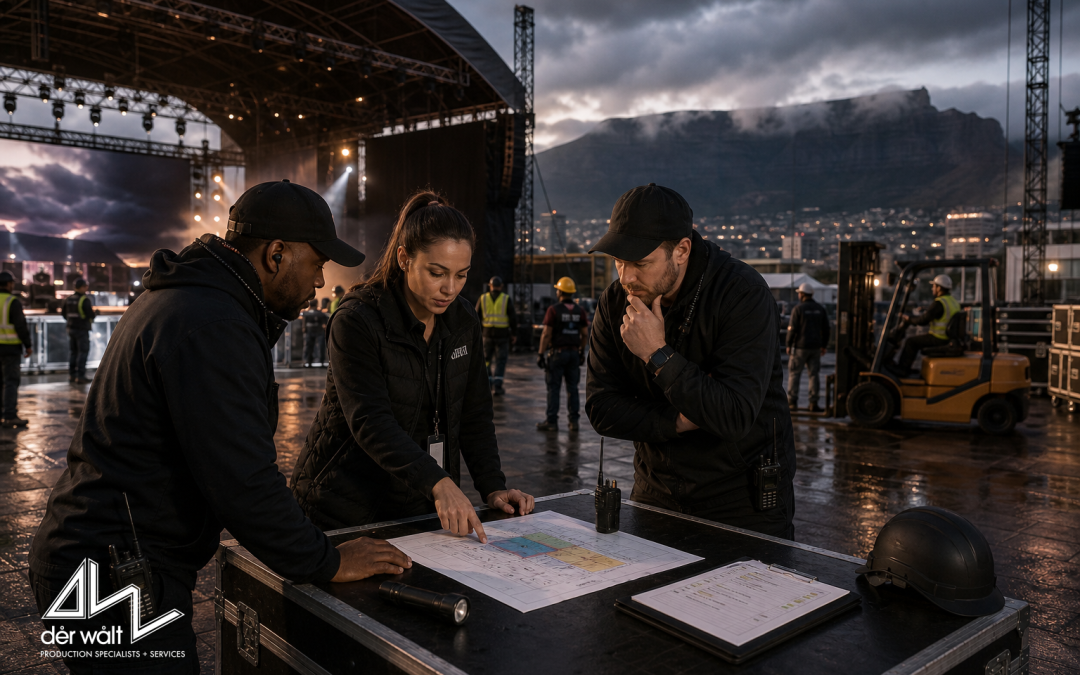
Practical South Africa Event Safety Playbook for Brands and Venues
Learn a practical framework for planning safe, compliant events in South Africa, covering weather planning, transport, labour, procurement, and on-site safety. It translates complex requirements into actionable steps for brands, agencies, venues, and production teams.
South Africa’s event landscape rewards bold experiential work, but it also demands a rigorous approach to safety, logistics and procurement. From unpredictable weather and load-shedding disruptions to local labour practices and access constraints, successful activations require a disciplined plan that translates strategy into practical execution. This article offers a field-tested framework tailored to SA realities, with clear guidance on where to focus effort, what to verify with suppliers, and how to structure timelines to keep production moving from concept to on-site delivery.
Understanding the SA event landscape and constraints
In South Africa, event success hinges on aligning creative ambition with practical realities. Teams must navigate procurement cycles that favour local suppliers and, increasingly, B-BBEE considerations. Venue access can vary widely between districts and municipalities, and power reliability can impact timelines and equipment choices. Weather variability—especially in the Western Cape and urban Gauteng during shoulder seasons—requires contingency planning and on-site adaptability. These factors are not merely “nice-to-haves”; they shape budgeting, vendor selection, and the feasibility of production schedules. The guidance offered here is designed to be practical, not aspirational, and it points you toward verifiable standards and reputable safety practices you can adopt today.
A practical planning framework for SA events
Weather planning in South Africa
Weather is a dominant risk factor for outdoor activations. The Cape’s unpredictable wind, the summer thunderstorm pattern in many regions, and heat stress in urban venues all require proactive measures. Begin with a robust forecast window and a weather monitoring plan that extends from pre-production through post-event wrap. Actions to consider include: selecting adaptable equipment (modular stages, wind-rated structures, weatherproof rigging), ensuring shade and hydration for staff and audiences, and establishing a clear weather decision timeline (when to pause, reroute, or evacuate). Use credible local forecasts and historical patterns as a baseline, then plan for volatility by building flexible schedules and contingencies into your run-of-show. Practical guidance emerges from regular risk assessment and a documented decision tree that triggers contingency actions without derailing production.
Transport, access and venue coordination
Transport planning in SA involves more than getting gear from A to B. It includes route scouting, vendor parking, loading zones, and access restrictions at venues (especially in urban cores or historic sites). Align with the venue early to confirm delivery windows, load-in timelines, and forklift or crane access. Build in buffer time for road closures or traffic variability and ensure coordination with security and local authorities where required. Consider partnering with local logistics providers who understand municipal permitting, supplier parking, and pedestrian flows in the venue’s neighbourhood. Document SLAs with clear penalties for delays that affect performance windows, and ensure that communication channels (radio, messaging apps, or dedicated on-site coordinators) stay open between production, venue management, and transport leads.
Procurement, budgeting and local labour
South Africa’s procurement environment increasingly emphasizes local suppliers and enterprise development. Start with a transparent procurement plan that lists approved vendors, credit terms, lead times, and contingency options. Build vendor shortlists that reflect region, capability, and safety standards, and include a pre-event site verification step for critical suppliers (riggers, electricians, generators, AV technicians). Budget realistically by separating hard costs (venue, staging, power, AV) from soft costs (permits, security, insurance, contingency). A commonly recommended contingency for experiential campaigns is 10–20% of the total budget, depending on risk exposure and weather considerations, but tailor this to your project’s complexity and local conditions. Ensure labour plans align with SA labour law requirements, including shift patterns, breaks, and on-site safety training. The practical approach is to verify credentials, reference past performance, and insist on signed safety plans and COIs (certificates of insurance) from all contractors before work begins.
On-site safety and compliance
On-site safety is the backbone of a reliable activation. Develop a site-specific safety plan that covers crowd management, emergency response, traffic control, electrical safety, and fire protection. Ensure electrical installations meet recognized standards and that power generators are compliant, properly fenced, and guarded against fuel spills. Crowd-control plans should consider maximum capacity, ingress/egress flows, and clearly marked evacuation routes. It’s prudent to align with reputable safety frameworks and to consult with certified safety professionals for high-risk setups. While some guidance comes from generic best practices, you should verify application against local regulations and venue requirements. A live, accessible hazard log and a field-safe culture—where staff are empowered to halt a component that appears unsafe—can dramatically reduce risk on the day.
Budgeting, timelines and contingency planning
Timeline discipline is essential in SA where procurement and permitting cycles can influence start dates. Build a master calendar that captures vendor lead times, permitting windows, venue booking rules, and transport coordination milestones. Establish a pre-production milestone that includes risk assessment sign-off, safety plan approval, and run-of-show confirmation with all key stakeholders. Use a phased approache—concept sign-off, design freeze, production readiness, and last-minute rehearsals—to keep teams aligned and prevent bottlenecks. In terms of budgeting, segment costs to reflect risk-adjusted line items, and maintain a dynamic contingency that can be deployed quickly if weather or access issues arise. Remember: the best plans anticipate the unknown and provide practical alternatives for every major line item.
Working with local suppliers and venues
Engaging with local SA suppliers and venues from the outset yields smoother execution and reduced risk. Prioritise vendors with demonstrable safety records, insurance, and compliance with SA safety standards. Encourage vendors to provide detailed method statements for high-risk elements (rigging, electrical, heavy equipment) and to participate in a joint risk assessment. When selecting venues, verify accessibility for loading gear, storage space for equipment, and back-of-house facilities (toilets, water, shade). Building relationships with municipal authorities and venue management can also streamline permit applications and facilitate smoother on-site operations. The practical approach emphasizes due diligence, clear contracts, and ongoing communication to align expectations across production, client teams, and venue partners.
Sources
- South African Weather Service — Government of South Africa
- NOSA — National Occupational Safety Association
- SABS — South African Bureau of Standards
- IAVM — International Association of Venue Managers
- South African Tourism — National Tourism Board
Partner with DERWALT for your next activation
Ready to plan and deliver a safe, engaging and impactful experiential activation in South Africa? DERWALT offers end-to-end event strategy, production management, and on-site delivery support. Let’s discuss how to bring your concept to life with a practical, compliant production plan that respects local constraints while maximizing impact.
Recent Comments