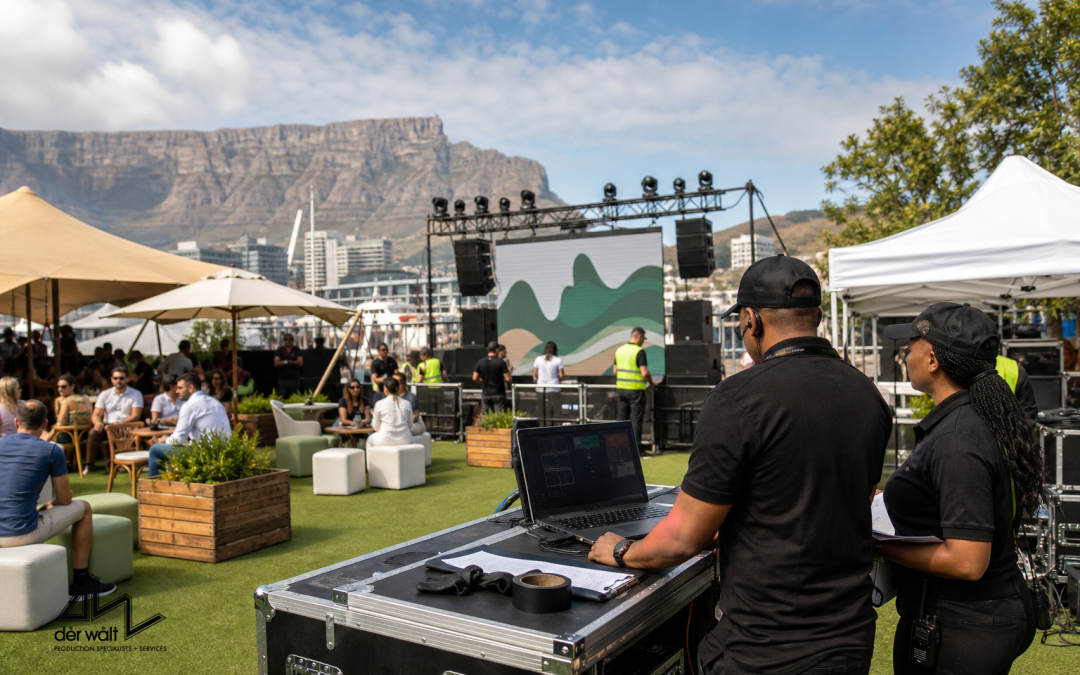
Planning a resilient outdoor experiential activation in South Africa for brands and agencies
This SA-focused guide outlines practical steps to design, source, and execute a weather-ready outdoor activation. From weather contingency planning and labour considerations to permits, transport, and supplier coordination, it’s about reducing risk while delivering memorable experiences.
Outdoor activations in South Africa demand a careful balance of creative ambition and operational discipline. Weather volatility, energy reliability, diverse transport networks, and complex permitting landscapes all influence, often in real time, the success of a live experience. The aim is not only to wow audiences but to do so with a plan that withstands weather shifts, logistical hiccups and budgetary pressures. Below is a practical, SA-focused framework to help brands, agencies and venues approach planning with confidence.
Weather planning in South Africa
South Africa’s climate is diverse: coastal areas can experience sudden squalls, while the interior may endure hot, dry heat or cold fronts. The key is proactive weather intelligence and flexible design. Use the South African Weather Service (SAWS) as a primary source for forecasts, wind advisories, and rainfall risk alerts leading up to and during the event. Integrate weather data into your logistics calendar, for example adjusting load-in/load-out windows, staff rotations, and power management based on expected conditions.
Contingency thinking is essential. Consider weather-appropriate shelter, shade, heating or cooling options, and rain-backup spaces that can accommodate a portion or all of your audience if conditions become unfavourable. In addition, plan for temperature-related comfort and safety—hydration stations, sunscreen, and cooling zones help protect attendees and staff, while protecting the project’s reputation.
Contingency and shelter
Practical shelter strategies include weather-resistant tents with proper anchoring, wind-rated canopies, and clear signage for indoor-outdoor transitions. Keep spare materials (tarps, ropes, poles) on site and designate a weather lead responsible for monitoring forecasts and executing shelter deployments. Don’t neglect rain gutters, floor protection for tents, and electrical equipment protection from moisture. The Event Safety Guide (HSE) offers a structured approach to risk assessment and contingency planning that can be adapted to local conditions.
Safety and compliance
Safety is the backbone of a successful activation. A formal risk assessment should identify critical hazards, define mitigation measures, and specify control roles. Crowd management, emergency response, medical support, and clear egress routes are non-negotiable elements of any outdoor event plan. Reference international best practices to shape local processes, then tailor them to the SA context and regulations. In particular, align with established safety frameworks for events and venues to ensure consistent standards across suppliers, volunteers, and staff.
Risk management and staffing
Assign a dedicated safety lead and a small incident response team with defined escalation protocols. Ensure staff and contractors complete basic safety briefings that cover site-specific risks, emergency assembly points, and first-aid locations. When labour is sourced locally, verify credentials and ensure fair, compliant working conditions in line with SA labour standards. For high-footfall activations, plan crowd-control measures, queuing strategies, and accessible facilities to accommodate diverse audiences.
Procurement, venues, and permits in the SA context
Choosing the right venue and suppliers is crucial to maintain a smooth production flow within South Africa’s procurement and permitting realities. Work with vetted local suppliers for stages, power distribution, audio-visual systems, lighting, and seating. Establish a clear procurement timeline that accounts for supplier lead times, site visits, and durability testing of equipment in SA conditions. Where possible, use verified supplier databases and established contracting processes to minimise risk and ensure compliance with local laws and standards.
Choosing venues and venue-readiness
Outdoor venues should be evaluated for access, load-in/load-out routes, electrical supply and back-up options, water availability, and shelter capacity. Accessibility for staff, performers, and attendees is essential, as is proximity to transport hubs and emergency services. Verify that the site can support necessary power generation, weather protection, and safety barriers. In SA, some locations require coordination with local authorities and venue management for use of public spaces or streets, so advance planning is critical.
Permits, compliance, and local requirements
Permitting varies by municipality and venue type. Common considerations include road closures, crowd control, noise restrictions, and temporary structures. Early engagement with the relevant local authority, venue management, and security teams helps clarify requirements and timelines. While international safety standards inform your approach, you should adapt them to South Africa’s regulatory context and the specific venue’s rules. Documentation such as site plans, risk assessments, and emergency response procedures will typically be required for permit applications and venue approvals.
Logistics: transport, labour, and timelines
Logistics in SA demand deliberate sequencing of activities from concept to completion. Start with a realistic production timeline that includes design sign-off, supplier onboarding, permit approvals, on-site build, run-of-show rehearsals, and post-event wrap. Build buffer periods into critical milestones to absorb uncertainty in procurement or weather-related delays. Coordinate transport so that teams, equipment, and materials arrive in the correct order and time window, minimizing on-site congestion and energy waste.
Transport planning and on-site movement
Plan for efficient on-site movement by establishing clear routes for crews, suppliers, and equipment. Consider traffic conditions, peak travel times, and the potential impact of load shedding on critical systems. If generators are required, schedule refuelling and maintenance to avoid interruptions during peak audience times. Secure safe and accessible parking or drop-off zones for guests and staff, and ensure transit routes comply with local safety rules and venue requirements.
Labour, procurement windows, and budgets
Allocate labour based on task complexity, shift patterns, and the local labour market. In SA, labour costs and availability can vary regionally, so factor in travel allowances and accommodation if teams operate away from home bases. Build procurement windows that accommodate supplier validation, site visits, and on-site testing of technical systems. Maintain a rolling budget that captures contingency funds for weather-related changes, equipment repairs, or last-minute supplier substitutions. Documented procurement policies help ensure transparency and compliance with public procurement norms where applicable.
DERWALT: end-to-end capabilities to support SA activations
For brands and agencies seeking a trusted partner, DERWALT offers end-to-end event delivery capabilities across experiential marketing, brand activations and production management. From technical planning, stage and show production, to logistics and supplier coordination, we prioritise clear timelines, risk-aware decision making and local supplier ecosystems. Our approach emphasises collaborative planning, on-site production discipline, and a focus on delivering compelling experiences that perform reliably in SA’s diverse environment.
Practical checklist for SA outdoor activations
Use this on-site checklist as a starting point for your production plan. Adapt it to your venue, city, and event type to ensure you cover weather, safety, permits, and logistics comprehensively.
Sources
- South African Weather Service — Official weather forecasts, climate risk insights and alerts
- Event Safety Guide (HSE) — Practical guidance on risk assessment, crowd management, and emergency planning
- UFI: The Global Association of the Exhibition Industry — International standards for event management and safety
- SABS — South African safety standards and guidelines for electrical, structural, and environmental compliance
Ready to plan your next activation? Contact DERWALT
Connect with DERWALT for expert guidance on experiential marketing strategy, production planning, and end-to-end event delivery. We help brands and agencies translate creative concepts into resilient, scalable SA activations with practical timelines, supplier coordination, and on-site excellence.
Recent Comments