End-to-End Experiential Campaigns in South Africa: A Practical Planning Guide
A practical, South Africa-focused blueprint for planning, sourcing, and delivering experiential campaigns. It covers procurement, venue, transport, safety, weather contingency, and supplier coordination to keep timelines intact.
Why a practical, locally grounded approach matters in South Africa
Experiential marketing in South Africa presents a unique mix of opportunities and challenges. Brands increasingly expect immersive activations that land quickly with local audiences, while production teams must navigate a patchwork of venues, supplier ecosystems, and regulatory requirements. A locally grounded approach helps you align objectives with the realities of procurement lead times, labour availability, and the logistical realities of major metros and regional hubs. It also supports inclusive sourcing and accountable partnerships that look good on budgets and on the ethics page of a brand’s procurement policy.
Key practical considerations include building a local supplier map early, planning for weather and transport variability, and ensuring your activation can adapt to last‑minute changes without compromising safety or experience. This guide focuses on end‑to‑end planning—concept to on‑site delivery—so that brands, agencies, venues and production teams can reduce risk and protect timelines while delivering high‑impact activations.
Phase-by-phase blueprint: Concept to on-site delivery
Discovery and brief alignment
Start with a tight discovery phase: clarify the activation objective, audience, success metrics, and the maximum permissible budget range. Align the concept with brand guidelines and regional sensitivities. In South Africa, this often means considering diverse audience segments, multilingual messaging, and culturally relevant storytelling. Document constraints up front—permitting requirements, venue rules, and any venue-specific power, rigging or safety stipulations—to avoid costly changes later.
Procurement and supplier ecosystem in SA
Map local suppliers across core categories—AV, lighting, staging, rigging, signage, catering, transport, and de-rigging. Engage multiple quotes to protect margin and reliability, and verify insurance, licences, and burn‑in power checks. Consider BBBEE and local empowerment objectives as part of supplier selection where this aligns with procurement policy. Build a preferred list that includes contingency partners for weather, technical downtime, or last‑minute schedule shifts. Schedule lead times with a clear milestone plan, because South African lead times can be driven by demand peaks in major cities and holidays.
Venue and route planning
Assess venues not just for capacity, but for access, back‑of‑house space, loading bays, and nearby parking. Confirm power availability, backup generator needs, and proximity to transport links. If the activation involves road closures, city permits, or public-space usage, engage with the relevant authorities early and factor in lead time for approvals. Route planning is essential for large builds: define load‑in and load‑out times, crane or rigging constraints, and clear signage to guide crews and audiences. In SA, climate control and shade can dramatically affect comfort and equipment reliability, so plan for both indoor and outdoor contingencies.
Transport, crew and labour considerations
Plan crew rotation and transport, especially for multi-city shoots or events. Build in travel time between venues and overlapping shifts to avoid fatigue and overtime surcharges. Adhere to local labour regulations, including break times and overtime rules, and factor additional staff for security, ushers, and technical support as needed. When working with external crews, confirm identity checks, site access, and safety inductions, and ensure all team members understand emergency procedures. Transport logistics should cover contingency options for late arrivals, traffic delays, and fuel shortages commonly experienced in peak urban hubs.
Safety, compliance and risk management
Conduct a formal risk assessment aligned with Occupational Health and Safety standards and venue requirements. Identify roles for safety officers, site-appointed safety delegates, and on‑site first aid. Ensure all equipment is certified and powered by compliant sources, with appropriate rigging and load capacities verified by qualified technicians. Maintain a live risk log during build and on the day of the activation, with clear ownership for mitigations. In SA, weather events such as heavy rain or heat waves demand adaptive planning—ensure access to shelters, hydration stations, and cooling measures for staff and participants.
Weather and contingency planning
South Africa’s climate varies by season and region. Develop weather contingencies that cover heat exposure, sudden showers, and wind. For outdoor activations, include shaded areas, misting or cooling options, and a shelter plan that can be deployed rapidly. Prepare alternate timing windows or indoor alternatives with minimal disruption to the run‑of‑show. Document decision thresholds (for example, wind speeds or rainfall levels) that trigger a predefined contingency path to protect guest experience and equipment safety.
Production timeline and budget safeguards
Establish a realistic production timeline from concept to run‑of‑show, with milestone gates for sign‑off. Build in a contingency reserve of budget and time to absorb last‑minute changes without compromising core experience. Identify non‑negotiables (core experiential elements) vs. negotiables (non‑core wrap or print) to allow nimble adjustments when procurement windows tighten. Maintain a transparent change‑control process so any scope changes, supplier substitutions, or schedule shifts are tracked, approved, and communicated to all stakeholders.
On‑site execution: Activation management and production discipline
Run‑of‑show and technical planning
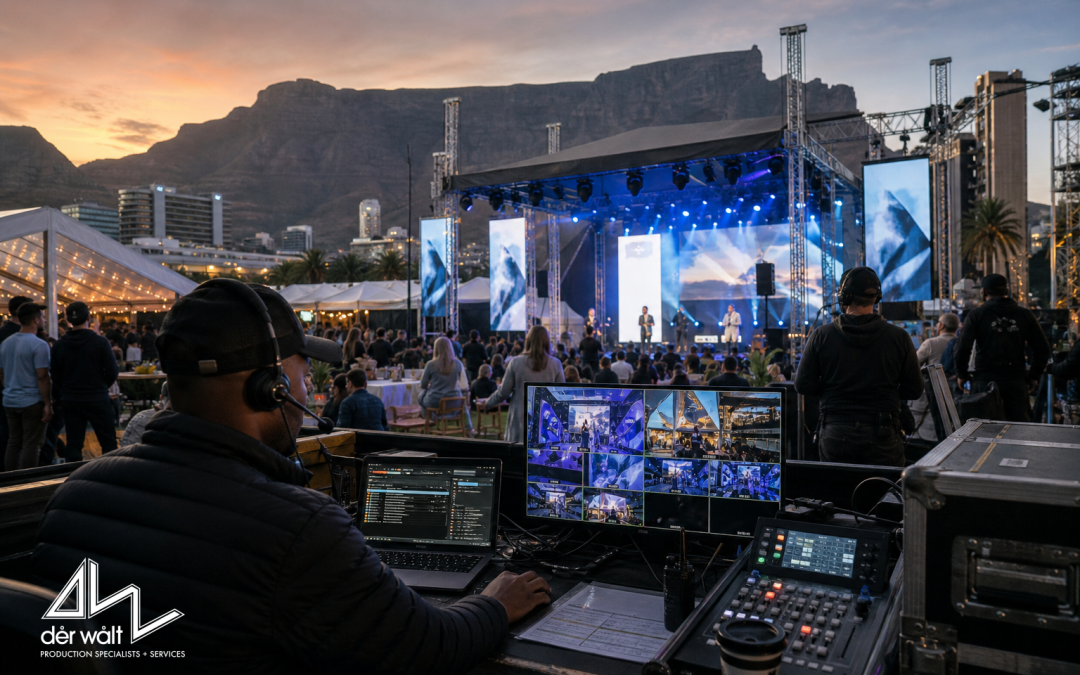
Develop a detailed run‑of‑show that includes technical cues, cue-to-cue timing, and person‑in‑charge for each segment. Establish on‑site comms protocols, including headsets, channel assignments, and a single point of contact for each vendor—so information flows quickly and accurately. Build in a buffer for last‑minute content changes or guest flow adjustments, and ensure the show is designed to scale if attendance exceeds expectations or if breakout sessions require optional spaces.
Content creation and rights management
Clarify content rights, licensing, and on‑site usage approvals early. If you’re producing original video, music, or interactive content, secure rights clearances before production begins and maintain a back‑up library of editable assets. Where possible, craft content with local relevance, including languages and cultural references that resonate with SA audiences, while ensuring accessibility and inclusivity across diverse participant groups.
Logistics and vendor coordination on the day
On event day, maintain a tight dispatch plan: stagger deliveries, manage unloading zones, track asset check‑in/out, and confirm refresh cycles for energy, water, and consumables. A dedicated on‑site operations lead should coordinate with all vendors, security, venue staff, and client teams. Use a centralized issue tracker to capture challenges, assign owners, and close out items before doors open for participants.
Post‑event debrief and learnings
Convene a short post‑event review with client teams and key suppliers to assess what worked, what didn’t, and why. Collect qualitative feedback from participants and stakeholders and align it with the preset success metrics. Document learnings for future activations, including supplier performance, transport reliability, and any safety or permitting lessons that can inform the next brief.
DERWALT capabilities in action
DERWALT offers end‑to‑end experiential marketing and event‑production capabilities designed to streamline complex campaigns in South Africa. From production management and technical planning to stage and show production, logistics, supplier coordination, content creation and complete end‑to‑end delivery, the team focuses on practical, actionable planning that keeps your activation on track. The approach emphasises local supplier networks, scalable solutions, and risk‑aware execution to ensure a smooth delivery within your budget and timeline.
Final considerations: practical tips and verification checklist
Before you sign off on any activation plan, run through these quick checks:
- Are all permits, risk assessments, and insurances in place and up to date?
- Have you secured a robust supplier contingency list and clear SLAs?
- Is there a weather contingency plan with defined trigger points?
- Are transport, load‑in, and load‑out schedules realistic for the venue’s access constraints?
- Is there a run‑of‑show with clear ownership and a communications plan across all teams?
- Have you accounted for local language needs, accessibility, and inclusivity in content and wayfinding?
Note that the specifics of timelines, budgets, and supplier availability will vary by city, venue, and season. Use this framework to tailor a plan that fits your brief, then validate every assumption with your local production team and venue partners to avoid surprises on site.
Let’s plan your South Africa experiential campaign
Ready to bring your activation to life with a trusted partner that understands local nuances and end‑to‑end production demands? Contact DERWALT to discuss your experiential marketing, activation or event‑production needs. Share your timeline, goals, and any budget guidance, and we’ll outline a practical plan for execution that keeps safety, quality, and experience at the forefront.
Recent Comments