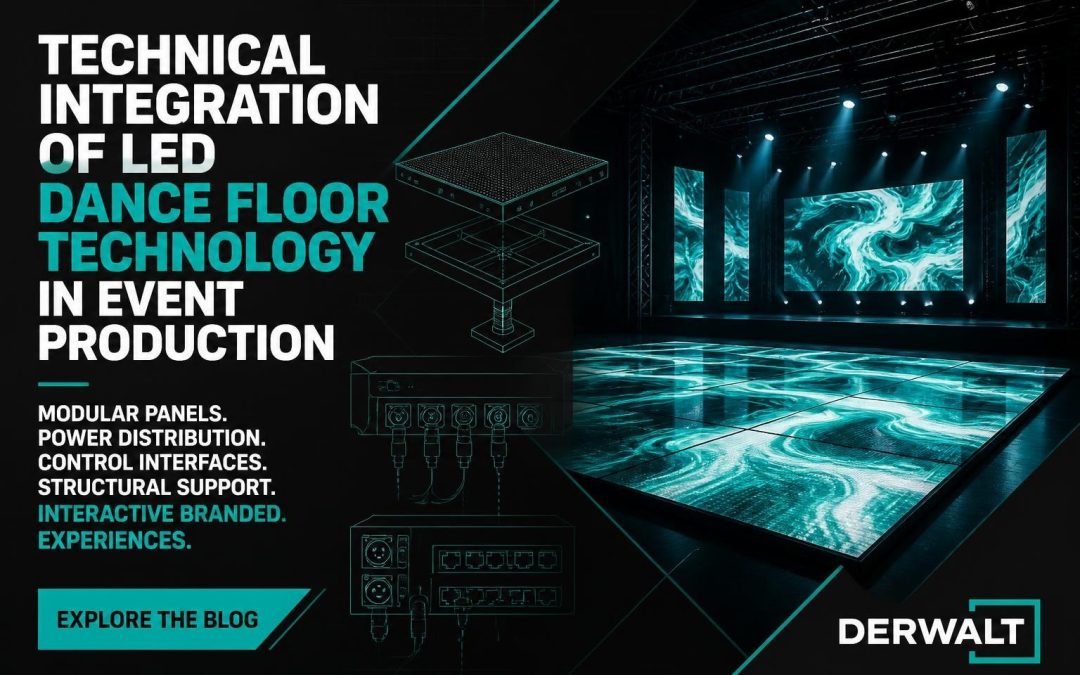
An led dance floor represents far more than illuminated paneling beneath guests' feet. It functions as a strategic production element that transforms static spaces into dynamic brand experiences, merges technical infrastructure with creative vision, and delivers measurable engagement outcomes. For production professionals managing successful event delivery across complex activations, understanding the operational, technical, and strategic dimensions of led dance floor integration separates adequate execution from exceptional brand experiences that drive business results.
Technical Architecture and System Integration
Modern led dance floor systems consist of modular panels containing RGB LED arrays, control circuitry, protective surface layers, and interconnected power distribution networks. Each panel typically measures 500mm x 500mm or 1000mm x 1000mm, allowing scalable configurations that adapt to venue constraints and design requirements.
Core System Components
The technical foundation of any led dance floor installation requires careful specification and integration planning. Production teams must account for multiple interdependent systems operating simultaneously under performance conditions.
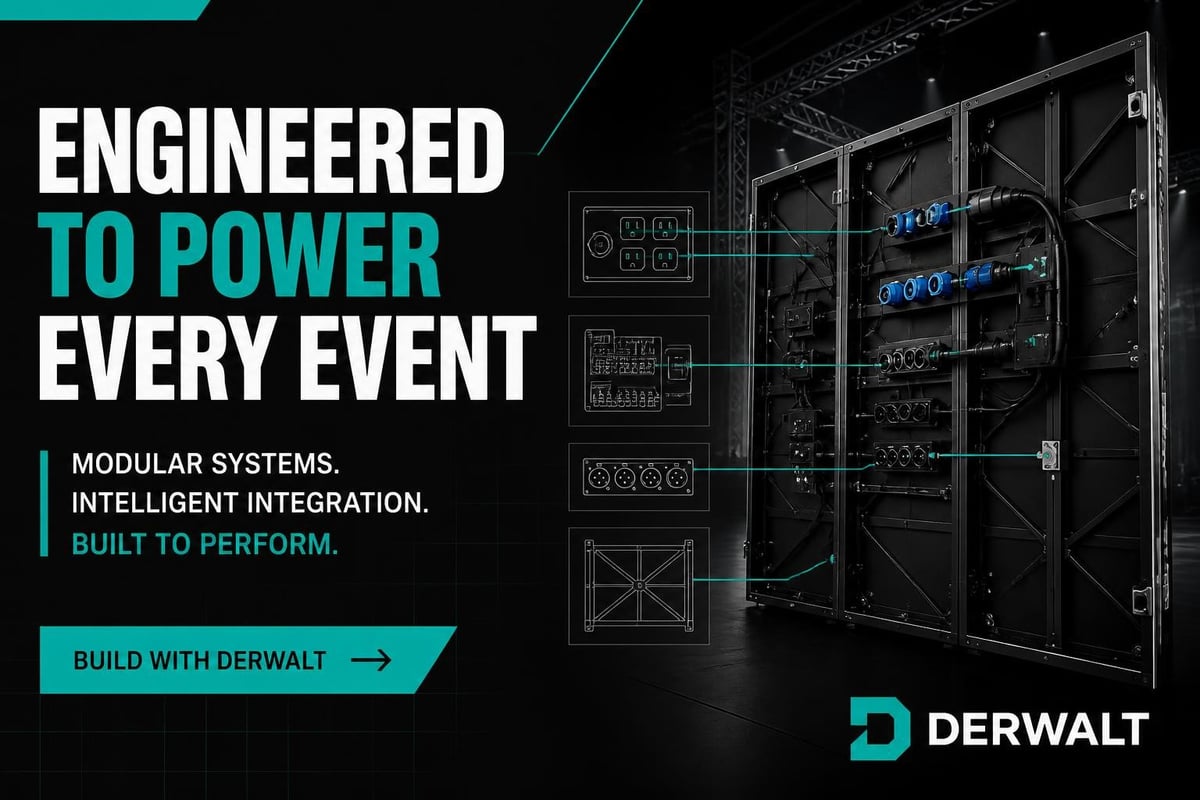
Power infrastructure demands precise calculation. A standard 20-panel led dance floor installation draws between 2,400 and 4,800 watts at full brightness, requiring dedicated circuits with appropriate amperage ratings and backup power considerations for mission-critical activations.
Control systems range from DMX512 protocols for synchronized lighting effects to proprietary software platforms enabling real-time content manipulation. Understanding LED dance floor types and technical specifications ensures production teams select control architectures aligned with creative requirements and operational constraints.
| Component | Specification Range | Production Consideration |
|---|---|---|
| Panel Dimensions | 500mm – 1000mm square | Modular scalability and transport logistics |
| Power Draw per Panel | 120W – 240W | Circuit capacity and generator sizing |
| Load Capacity | 500kg – 1500kg per sqm | Structural support and safety certification |
| Control Protocol | DMX512, Art-Net, proprietary | Integration with existing lighting systems |
| Pixel Density | 2,500 – 10,000 pixels/sqm | Content resolution and viewing distance |
Structural and Safety Specifications
Load-bearing capacity determines whether an led dance floor can support anticipated guest density and movement patterns. Commercial-grade systems support between 500kg and 1,500kg per square meter, accommodating dense crowds while maintaining structural integrity throughout multi-hour activations.
Surface treatment affects both aesthetics and risk management. Anti-slip coatings with certified friction coefficients prevent accidents while maintaining visual clarity for LED content display. Production teams must balance slip resistance with cleaning requirements and long-term surface durability.
Installation tolerances matter significantly. Even minor height variations between panels create trip hazards and compromise the seamless appearance essential for premium activations. Professional installations maintain maximum 1mm variance across panel transitions.
Strategic Application in Brand Activations
An led dance floor serves multiple strategic functions within comprehensive brand experiences. Rather than existing as isolated decoration, it integrates into broader experiential ecosystems that drive engagement metrics and brand recall.
Content Customization and Brand Integration
Real-time content customization transforms generic led dance floors into branded environments that reinforce campaign messaging throughout guest interactions. Modern LED dance floors enable custom branding and immersive experiences through dynamic content that responds to music, movement, or scheduled programming sequences.
Production teams integrate brand assets through multiple content strategies:
- Static branding displays during low-activity periods maintain brand presence
- Reactive animations synchronized to music beats create energy and movement
- Interactive zones triggered by guest positioning enable participatory experiences
- Timed sequences align floor content with presentations or product reveals
- Social media integration displays live feeds or hashtag aggregation
The production intelligence required for successful led dance floor deployment extends beyond technical setup. DERWALT builds the system behind successful brand experiences through strategic planning that connects creative interpretation with production execution, ensuring every technical element serves defined business objectives and engagement goals.
Spatial Design and Guest Flow Management
Strategic led dance floor placement influences guest movement patterns and space utilization throughout events. Central floor installations create natural gathering points that concentrate energy and facilitate social interaction. Perimeter configurations define zones while maintaining sightlines across larger venues.
Dimensional planning requires analyzing venue architecture, anticipated attendance, and activity programming. A 6m x 6m led dance floor accommodates approximately 40-50 guests comfortably for active dancing, while 10m x 10m installations support 120-150 guests with adequate circulation space.
Live event production companies integrate led dance floors within comprehensive spatial strategies that account for staging, bar locations, seating clusters, and circulation corridors. The floor becomes one element within a choreographed guest journey rather than an isolated feature.
Operational Planning and Risk Mitigation
Successful led dance floor deployment depends on meticulous operational planning that addresses setup timelines, technical redundancy, safety protocols, and contingency scenarios. Production failures during high-profile activations damage client relationships and brand reputation.
Installation Timelines and Resource Allocation
Professional led dance floor installation requires 4-8 hours depending on system complexity, venue access, and configuration size. Production schedules must account for:
- Venue access and load-in coordination with facility management
- Structural assessment confirming floor load capacity and level surfaces
- Power distribution installation with certified electrical contractors
- Panel assembly and alignment maintaining precise tolerances
- Control system integration and pre-event testing protocols
- Content loading and programming verification across all zones
- Safety inspection including emergency shutdown procedures
Resource allocation extends beyond installation crews. Technical directors, lighting programmers, and safety officers each contribute specialized expertise ensuring reliable performance under event conditions.
Technical Redundancy and Backup Systems
Mission-critical activations require redundant systems preventing total failure from isolated component malfunctions. Professional led dance floor deployments incorporate multiple backup layers:
Dual power sources with automatic failover systems ensure continuous operation despite electrical disruptions. Independent circuit routing prevents single-point failures affecting entire installations.
Spare panel inventory enables rapid replacement of damaged or malfunctioning units without disrupting guest experiences. A minimum 10% spare capacity represents industry-standard risk mitigation for premium activations.
Control system redundancy through backup controllers and pre-programmed sequences maintains functionality even when primary systems fail or lose network connectivity.
Content Development and Programming
Effective LED dance floor selection represents only the foundation. Content development and programming determine whether the technology delivers meaningful engagement or merely colorful distraction.
Programming Workflows and Creative Execution
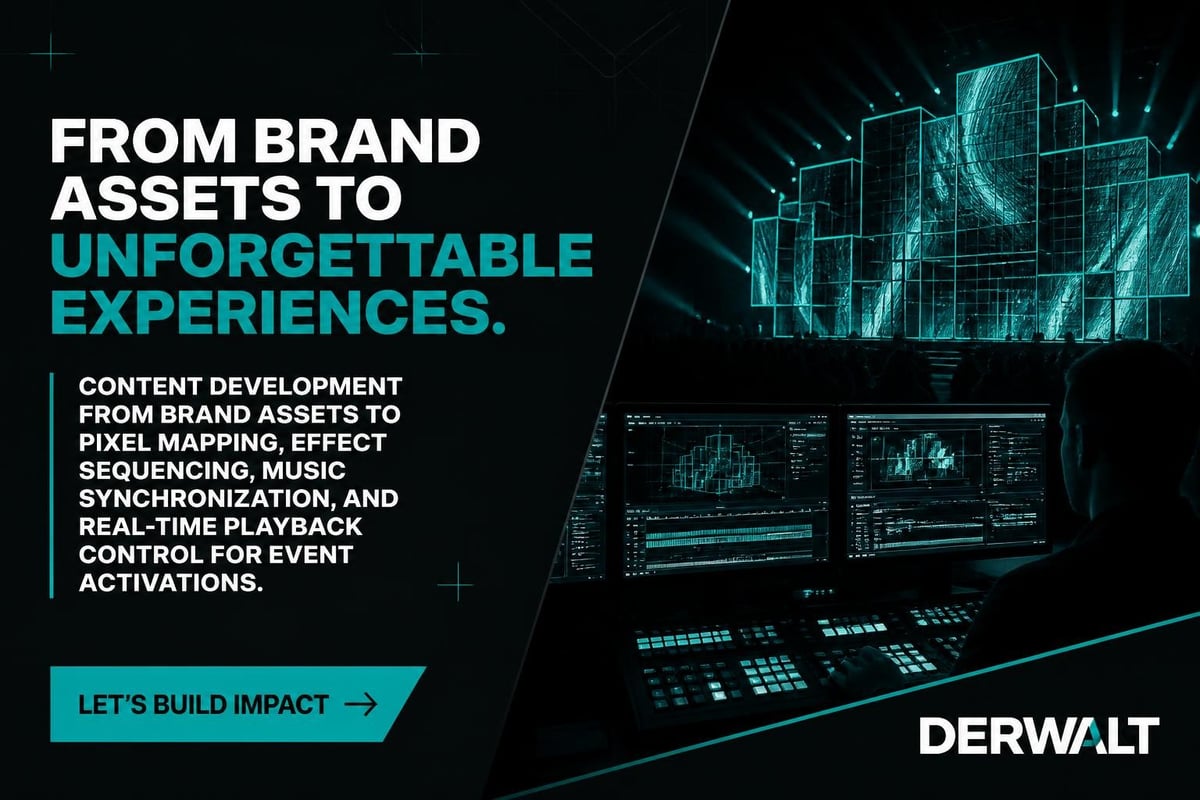
Professional led dance floor programming requires specialized software platforms managing pixel mapping, effect sequencing, and real-time content playback. Production teams develop content libraries aligned with brand guidelines, event themes, and scheduled programming beats.
Pixel mapping translates two-dimensional content into physical panel layouts, accounting for installation geometry and viewing perspectives. Complex configurations require custom mapping ensuring visual coherence across non-rectangular shapes.
Effect libraries balance visual impact with guest comfort. Rapid color changes and high-contrast patterns create energy but risk visual fatigue during extended events. Sophisticated programming alternates intensity levels maintaining engagement without overwhelming guests.
| Programming Element | Technical Consideration | Guest Experience Impact |
|---|---|---|
| Frame Rate | 25-60 fps | Smooth motion vs. strobing effects |
| Color Temperature | 2700K – 6500K | Energy level and atmosphere perception |
| Brightness Levels | 500-5000 nits | Visibility vs. glare management |
| Transition Speed | 0.5-5 seconds | Anticipation vs. distraction |
Music Synchronization and Interactive Features
Advanced led dance floor systems synchronize content with audio inputs, creating cohesive audiovisual experiences that amplify musical energy. Beat detection algorithms trigger visual effects aligned with rhythmic patterns, while frequency analysis maps different musical elements to spatial zones across the floor.
Interactive capabilities expand engagement opportunities beyond passive viewing. Pressure-sensitive panels respond to footsteps with visual feedback, encouraging playful interaction and social media capture. Motion tracking systems create more sophisticated interactions where guest movements influence content patterns across entire installations.
Production teams must balance technical possibilities against practical limitations. Choosing the right LED dance floor for specific venue types requires understanding ambient lighting conditions, crowd density patterns, and acoustic environments that affect both visual clarity and interaction effectiveness.
Logistics, Transportation, and Storage
The physical demands of led dance floor systems create significant logistics challenges affecting budget allocation, timeline planning, and operational feasibility. Each panel weighs between 8kg and 15kg, with complete installations reaching several hundred kilograms requiring specialized transport and handling protocols.
Transport Infrastructure and Handling Protocols
Professional transport cases protect sensitive electronics and maintain panel alignment during movement. Flight cases with foam inserts prevent impact damage while facilitating efficient loading and unloading at venue sites.
Vehicle requirements scale with installation size. A 50-panel led dance floor system requires approximately 15-20 cubic meters of cargo space, necessitating panel vans or small trucks for most activations. International events require freight coordination and customs documentation for temporary equipment importation.
Handling procedures minimize damage risk through trained crews following established protocols. Panels stack vertically in dedicated racks maintaining proper weight distribution. Control systems ship separately protecting delicate electronics from mechanical stress.
Storage Conditions and Maintenance Schedules
Long-term led dance floor performance depends on appropriate storage conditions between events. Temperature-controlled facilities prevent condensation damage to electronic components. Humidity levels between 30-60% protect both electronics and surface treatments from degradation.
Preventive maintenance schedules extend equipment lifespan and reduce failure rates during events:
- Monthly visual inspections identifying physical damage or connector wear
- Quarterly cleaning protocols removing dust and debris from LED arrays
- Semi-annual electrical testing verifying power distribution integrity
- Annual control system updates ensuring software compatibility and security
Budget planning must account for maintenance labor, replacement parts inventory, and eventual panel replacement as LED arrays reach end-of-life specifications after 50,000-100,000 operating hours.
Budget Modeling and Cost Optimization
Led dance floor deployment represents significant capital investment or rental expenditure requiring careful budget modeling and cost-benefit analysis. Production teams must balance technical specifications against financial constraints while maintaining quality standards essential for client satisfaction.
Rental vs. Purchase Analysis
Equipment rental suits organizations executing occasional activations without long-term asset requirements. Rental rates typically range from 2-5% of purchase price per day, with weekly and monthly rates offering improved economics for extended deployments.
Purchase considerations make sense for production companies or brands executing frequent activations. Break-even analysis generally occurs after 20-30 rental-equivalent deployments, though this varies based on maintenance costs, storage expenses, and technological obsolescence.
| Financial Model | Cost Structure | Optimal Use Case |
|---|---|---|
| Daily Rental | $80-$150 per sqm | Single events, variable sizing |
| Weekly Rental | $200-$400 per sqm | Multi-day activations, festivals |
| Purchase | $1,500-$5,000 per sqm | Frequent use, controlled branding |
| Lease-to-Own | Monthly payments + buyout | Budget spreading, technology testing |
Value Engineering and Specification Optimization
Strategic specification selection optimizes budget allocation without compromising experience quality. Production teams analyze which technical features drive engagement outcomes versus those offering marginal improvements at significant cost premiums.
Pixel density represents a key specification for value engineering. Ultra-high-resolution panels costing $4,000-$5,000 per square meter deliver exceptional clarity for close viewing distances but offer minimal advantage when guests view from standing height. Mid-range panels at $2,000-$2,500 per square meter frequently achieve equivalent guest experience at significantly reduced investment.
Control system sophistication affects both initial costs and ongoing programming labor. Simple DMX controllers cost $500-$1,500 but require pre-programmed sequences. Advanced media servers costing $5,000-$15,000 enable real-time content manipulation and interactive features but demand specialized operators. Comprehensive event experiences require matching control capabilities to creative ambitions and available technical expertise.
Integration with Broader Event Technology
Modern activations rarely deploy led dance floors in isolation. Integration with complementary technologies creates cohesive experiences where individual elements reinforce overall brand messaging and engagement objectives.
Lighting and Projection Coordination
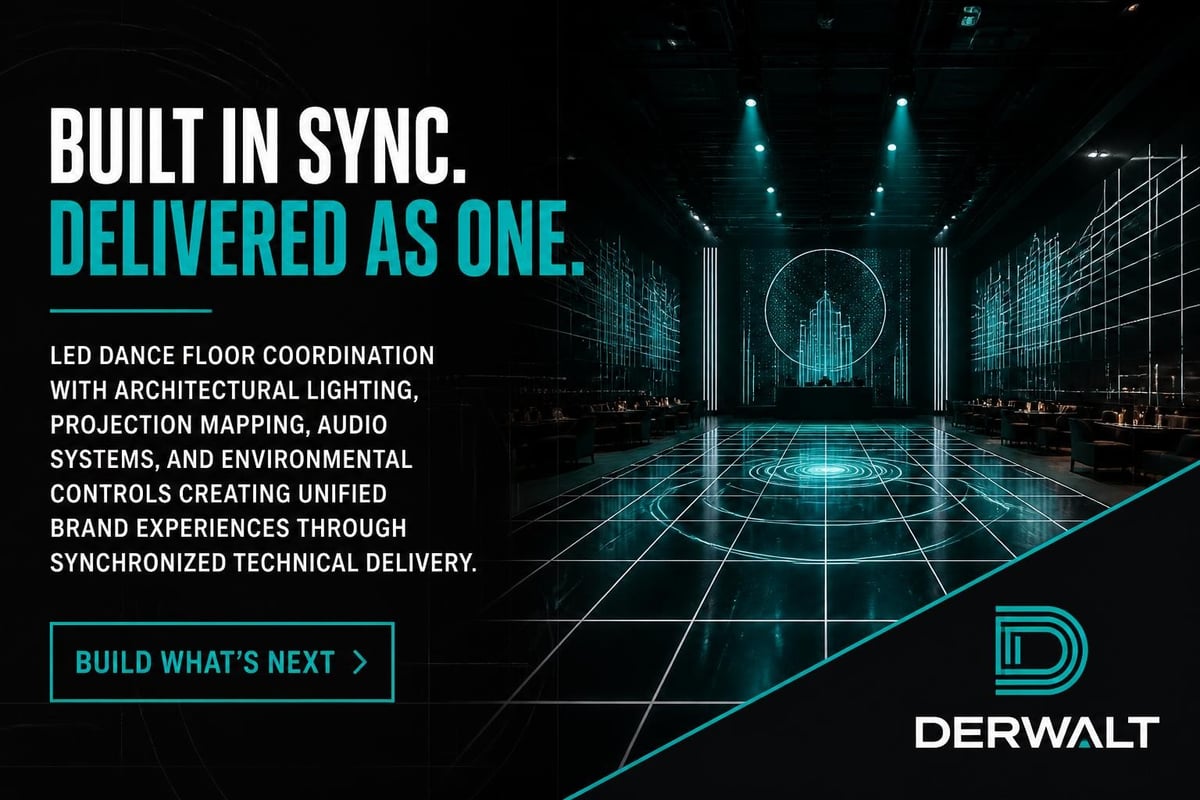
Architectural lighting systems frame led dance floor installations, controlling ambient light levels that affect visual clarity and content visibility. Dimmed surrounding areas increase floor prominence while bright ambient lighting washes out subtle content requiring higher LED output and increased power consumption.
Projection mapping extends visual storytelling beyond floor boundaries, creating 360-degree environments where floor content coordinates with wall projections and ceiling elements. Synchronized playback systems ensure timing precision across multiple display surfaces.
Technical coordination requires unified control protocols. DMX512 remains the standard for basic synchronization, while Art-Net and sACN protocols handle higher channel counts necessary for complex installations managing thousands of individual control channels simultaneously.
Audio System Integration and Environmental Control
Sound system placement affects both acoustic performance and led dance floor visual impact. Subwoofer positions near floor perimeters create bass energy that enhances music-reactive content but requires vibration isolation preventing mechanical stress on panel connections.
Environmental systems maintain optimal operating conditions. HVAC coordination prevents hot air accumulation beneath elevated led dance floor installations where trapped heat reduces LED lifespan and increases failure risk. Temperature monitoring systems alert technical crews to developing problems before visible failures occur.
Performance Measurement and Outcomes Analysis
Quantifying led dance floor impact enables data-driven decisions for future activations and demonstrates ROI justifying technology investment. Production teams establish measurement frameworks capturing both direct engagement metrics and broader brand outcomes.
Engagement Metrics and Data Collection
Social media capture rates provide immediate feedback on led dance floor effectiveness. Branded installations generating distinctive visual aesthetics encourage photography and video content creation. Hashtag tracking and geo-tagged posts quantify organic reach extending beyond physical attendees.
Dwell time measurement through overhead sensors or manual observation reveals whether led dance floor installations successfully retain guest attention. High-performing activations maintain average dwell times exceeding 8-12 minutes with multiple return visits throughout events.
Participation rates track the percentage of total attendees actively engaging with interactive features. Successful interactive led dance floors achieve 60-75% participation among guests passing through designated zones, indicating compelling experiences worth audience investment.
Post-Event Analysis and Continuous Improvement
Comprehensive post-event analysis examines technical performance, content effectiveness, and operational efficiency. Production teams document setup challenges, equipment failures, programming adjustments, and guest feedback informing future deployments.
Technical logs capture power consumption patterns, component failures, and environmental conditions throughout events. This data builds reliability models predicting maintenance requirements and identifying equipment reaching end-of-life specifications.
Content performance analysis evaluates which visual approaches generated strongest engagement. A/B testing different programming styles across similar events reveals audience preferences and optimal content strategies for specific demographics or event types.
Organizations pursuing excellence in experiential event marketing recognize that systematic performance measurement transforms led dance floor deployment from decorative addition into strategic brand tool delivering measurable business outcomes.
Emerging Technologies and Future Developments
Led dance floor technology continues evolving through advances in LED efficiency, control systems, and interactive capabilities. Production professionals monitoring these developments gain competitive advantages through early adoption of innovations enhancing client experiences while optimizing operational efficiency.
Wireless power transmission eliminates cabling complexity for certain installations, reducing setup time and trip hazards. Current wireless systems support low-power applications, with higher-capacity solutions emerging for full led dance floor deployments.
Transparent LED panels create layered visual experiences where guests see through floor surfaces to content layers beneath. This technology enables new creative approaches impossible with traditional opaque panels.
Machine learning applications analyze guest movement patterns in real-time, adjusting content to maximize engagement based on crowd density, energy levels, and interaction preferences. These adaptive systems require minimal operator intervention while delivering optimized experiences throughout events.
Strategic led dance floor integration demands production intelligence connecting creative vision with operational excellence, technical precision with budget discipline, and innovative technology with reliable execution. DERWALT delivers comprehensive production management that transforms complex technical requirements into seamless brand experiences, supported by strategic planning, supplier coordination, and on-site expertise ensuring flawless activation delivery across South Africa's most demanding events.
Recent Comments